Summary
- Without naming Muslim League and his leadership, he wrote a lengthy article, Islam ka Nazar-e-Siasi [Islam’s Political Philosophy] in Tarjuman-ul-Qur’an [December 1939]: دوسری بات جو اسلامی اسٹیٹ کے دستور اور اس کے مقصد اور اسکی اصلاحی نوعیت پر غور کرنے سے خود بخود واضح ہو جاتی ہےوہ یہ ہے کہ ایسے اسٹیٹ کو صرف وہی لوگ چلا سکتے ہیں جو اس کے دستور پر ایمان رکھتے ہوں، جنہوں نے اس کے مقصد کو اپنی زندگی کا مقصد بنایا ہو، اور جو اسکے اصلاحی پروگرام سے نہ صرف پوری طرح متفق ہوں، نہ صرف اس میں کامل عقیدہ رکھتے ہوں، بلکہ اسکی اسپرٹ کو اچھی طرح سمجھتے بھی ہوں اور اس کی تفصیلات سے واقف بھی ہوں ۔ As clear from above, Maududi repeatedly argued that a state could not become Islamic merely because its inhabitants happened to be Muslims.
- While both rejected nationalism as an ultimate political creed, they differed on whether the Pakistan Movement represented an abandonment of Islamic political ideals or the constitutional opportunity to realise them.
- Maududi argued that unless the constitutional foundations of the proposed state were consciously organised in accordance with Islam, a Muslim-majority state might not necessarily become an Islamic polity.
The previous three parts argued that the ideological history of Pakistan cannot be understood solely through constitutional negotiations, elections, resolutions and political speeches. Parallel to the constitutional struggle ran an equally important intellectual conversation, conducted in the pages of Tarjuman-ul-Qur’an and Tolu-e-Islam. While political leaders negotiated constitutional formulas, Muslim scholars and intellectuals debated a more fundamental question: what kind of political order would truly reflect the teachings of Islam?
This concluding article fulfils the promise made at the end of Part II. Rather than relying upon later interpretations, we return to the principal protagonists themselves. Our purpose is neither to vindicate Maulana Abu’l A’la al’Maududi nor to champion Ghulam Ahmad Parwez. It is to reconstruct, through representative documentary evidence, one of the least explored debates preceding the creation of Pakistan.
By the time, the Lahore Resolution was adopted in March 1940, the discussion had already moved beyond the question of composite nationalism. The issue was no longer simply whether Muslims constituted a distinct nation. The more searching question became whether the proposed Muslim homeland represented an Islamic political project or merely another territorial nation-state modelled upon European nationalism.
Maulana Maududi approached the issue from first principles. His concern was not primarily with the Muslim League’s constitutional tactics but with the philosophical foundations of the proposed state. Without naming Muslim League and his leadership, he wrote a lengthy article, Islam ka Nazar-e-Siasi [Islam’s Political Philosophy] in Tarjuman-ul-Qur’an [December 1939]:
دوسری بات جو اسلامی اسٹیٹ کے دستور اور اس کے مقصد اور اسکی اصلاحی نوعیت پر غور کرنے سے خود بخود واضح ہو جاتی ہےوہ یہ ہے کہ ایسے اسٹیٹ کو صرف وہی لوگ چلا سکتے ہیں جو اس کے دستور پر ایمان رکھتے ہوں، جنہوں نے اس کے مقصد کو اپنی زندگی کا مقصد بنایا ہو، اور جو اسکے اصلاحی پروگرام سے نہ صرف پوری طرح متفق ہوں، نہ صرف اس میں کامل عقیدہ رکھتے ہوں، بلکہ اسکی اسپرٹ کو اچھی طرح سمجھتے بھی ہوں اور اس کی تفصیلات سے واقف بھی ہوں ۔
As clear from above, Maududi repeatedly argued that a state could not become Islamic merely because its inhabitants happened to be Muslims. Unless sovereignty, law and public life were consciously organised in accordance with Islam, Pakistan risked becoming little more than a Muslim-majority version of the modern territorial nation-state.
As Ali Usman Qasmi has shown, Maududi distinguished sharply between an Islamic polity founded upon divine sovereignty and what he regarded as a territorial Muslim nationalism requiring careful scrutiny.
Ghulam Ahmad Parwez responded from a different constitutional perspective. His arguments, developed in successive issues of Tolu-e-Islam, culminated in Tehreek-e-Pakistan ke Mukhalif Ulema [Tolu-e-Islam, January 1982], Parwez while recalling the entire debate around opposing demand of Pakistan by certain ulema did not rest upon his proposition that Pakistan, by merely coming into existence, would automatically become an Islamic state. Nor did he suggest that every policy or every leader of the Muslim League embodied the Qur’anic ideal.
Parwez contention was more modest and, in many respects, more constitutional. Without political freedom, he argued, Muslims would never possess the opportunity to organise their collective life according to the ethical, social and economic principles of the Qur’an. Pakistan was therefore not the fulfilment of the Islamic mission; it was the constitutional opportunity to pursue it.
Parwez also rejected the suggestion that the Pakistan Movement represented racial or territorial nationalism in the European sense. He distinguished between worshipping the nation-state as an end in itself and creating a constitutional framework through which a community could pursue justice, equality and collective welfare. For him, millat and watan were related but not synonymous. A homeland acquired significance only when it served higher moral objectives. This distinction is reflected in one of Parwez’s representative observations [Tolu-e-Islam, January 1982] quoting Muhammad Ali Jinnah as under:
”تحریکِ پاکستان کے مخالفین میں دوسرا گروہ وہ تھا جو کہتا تھا کہ اگر ایک الگ مملکت قائم ہی کرنی ہے تو اس کا اقتدار ہمارے ہاتھ میں ہونا چاہیے تا کہ ہم وہاں اپنے تصور کا اسلام قائم کر سکیں۔ قائدِ اعظمؒ نے اس مطالبہ کہ یہ کہہ کر مسترد کر دیا کہ یہ تھیا کریسی ہے جو اسلام کے صریحاً خلاف ہے۔ چناچہ انہوں نے بار بار اپنے اس مؤقف کو دہرایا کہ پاکستان میں تھیا کریسی کسی حال میں نہیں ہو گی۔ انہوں نے مسلم لیگ کنوینشن منعقدہ دہلی (11اپریل۱۹۴۶)میں واضح الفاظ میں کہا تھا کہ
اسے اچھی طرح سمجھ لیجیئے کہ ہم کس مقصد کے لئے یہ لڑائی لڑ رہے ہیں۔ ہمارا نصب العین کیا ہے۔ یاد رکھئیے، ہمارا نصب العین تھیا کریسی نہیں۔ ہم تھیا کریٹک سٹیٹ نہیں بنانا چاہتے۔
انہوں نے، قیامِ پاکستان کے بعد، فروری۱۹۴۸ میں بہ حیثیت گورنر جنرل، اہلِ امریکہ کے نام اپنے براڈ کاست میں کہا تھا کہ:
پاکستان میں کسی قسم کی تھیا کریسی کار فرما نہیں ہو گی جس میں حکومت مذہبی پیشواؤں کے ہاتھ میں دے دی جاتی ہے کہ وہ (بزعمِ خویش) خدائی مشن کو پورا کریں۔
……انہوں نے، نہایت واضح اور متعین الفاظ میں بتا دیا کہ جس قسم کی حکومت کے لئے ہم پاکستان کا مطالبہ کر رہے ہیں، اس کی امتیازی خصوصیت کیا ہو گی۔ یہ وضاحت انہوں نے۱۹۴۱ میں، عثمانیہ یونیورسٹی (حیدر آباد دکن) کے طلباءکے ایک سوال کے جواب میں کی تھی۔ انہوں نے فرمایا تھا:–
اسلامی حکومت کے تصور کا یہ امتیاز ہمیشہ پیشِ نظر رہنا چاہیئے کہ اس میں اطاعت اور وفا کیشی کا مرمجع خدا کی ذات ہے جس کی تعمیل کا واحد ذریعہ قرآنِ مجید کے احکام اور اصول ہیں۔ اسلام میں اصلاً نہ کسی بادشاہ کی اطاعت ہے نہ کسی پارلیمان کی، نہ کسی اور شخص یا ادارہ کی۔ قرآنِ کریم کے احکام ہی سیاست یا معاشرت میں ہماری آزادی اور پابندی کے حدود متعین کرے ہیں۔ اسلامی حکومت دوسرے الفاظ میں قرآنی اصول اور احکام کی حکمرانی ہے۔ اور حکمرانی کے لئے آپ کو علاقہ اور مملکت کی ضرورت ہے۔ (اورینٹ پریس بحوالہ روزنامہ انقلاب، لاہور مورخہ ۸ فروری ۱۹۴۲) “
For Parwez, therefore, Pakistan was not an end in itself. It was a constitutional means through which Muslims could acquire the political freedom necessary to implement the ethical and social principles of the Qur’an. The above passages illustrate the central point on which Parwez differed from Maududi.
While both rejected nationalism as an ultimate political creed, they differed on whether the Pakistan Movement represented an abandonment of Islamic political ideals or the constitutional opportunity to realise them.
Readers are not compelled to accept Parwez’s conclusion. However, his published work explains the intellectual framework within which he understood Pakistan vis-a-vis Jinnah’s vision. The state was conceived not as the destination but as the constitutional instrument through which Qur’anic ideals might gradually find institutional expression.
When above documents are read alongside Maududi’s writings, an important historical conclusion emerges. The disagreement was not between Islam and secularism. Both thinkers accepted the centrality of Islam. Their disagreement concerned method, constitutional design and the relationship between religion, nationhood and statehood.
Maududi argued that unless the constitutional foundations of the proposed state were consciously organised in accordance with Islam, a Muslim-majority state might not necessarily become an Islamic polity. Parwez believed that without Pakistan, Muslims would never possess the constitutional freedom necessary to construct a social order inspired by the Qur’an.
Muhammad Ali Jinnah occupies a distinctive place within this discussion. His constitutional language differed from that of both Maududi and Parwez, yet his decision to seek an intellectual defence from Ghulam Ahmad Parwez demonstrates that he appreciated the need to answer religious and philosophical objections through reasoned argument rather than political slogans. That forgotten episode explains why the debate preserved in Tolu-e-Islam and Tarjuman-ul-Qur’an deserves closer historical attention than it has thus far received.
Nearly eight decades after independence, Pakistan continues to revisit many of the same constitutional and intellectual questions that animated this forgotten dialogue. Unfortunately, the debate itself has largely disappeared from public memory. Later political controversies often reduced complex arguments into partisan slogans, while historians understandably concentrated on constitutional negotiations, elections and the transfer of power.
The contemporaneous conversation between Tarjuman-ul-Qur’an and Tolu-e-Islam rarely received comparable attention. The purpose of this series has not been to establish that either Maududi or Parwez possessed the final answer. History seldom yields such simple verdicts.
Our examination of the contemporaneous documentary record suggests that the ideological foundations of Pakistan were debated with considerably greater sophistication than later historical narratives have generally acknowledged. The debate reconstructed in this series deserves a more prominent place in the intellectual historiography of the Pakistan Movement.
Historic original documents reveal a profound disagreement among Muslim intellectuals over the meaning of Islam, nationhood, sovereignty, constitutionalism and the future political destiny of the Muslims of India. That disagreement formed part of Pakistan’s intellectual inheritance before Pakistan itself came into existence.
Whether readers ultimately find Maududi’s criticism more persuasive than Parwez’s defence—or indeed arrive at an entirely different conclusion—is for them to decide. We have attempted only to recover the conversation itself. The historian’s first responsibility is not to persuade but to reconstruct.
Whether readers ultimately agree with Maududi, Parwez, both or neither is beside the point. The purpose of history is not to enlist disciples but to recover evidence. If these four articles encourage readers to return to the original pages of Tarjuman-ul-Qur’an, Tolu-e-Islam, Jinnah’s speeches, Iqbal’s writings and the constitutional debates of the period before accepting later interpretations, they will have fulfilled their purpose. History advances not by louder opinions but by recovering forgotten documents and reconsidering them with an open mind.
Selected Bibliography
Primary Sources
- Tarjuman-ul-Qur’an (original issues, May 1938–June 1942, 1948 onwards).
- Tolu-e-Islam (original issues, 1938–1947).
- Tehreek-e-Pakistan ke Gumshuda Haqiaq: Tehreek-e-Pakistan aur Parwez.
- Tehreek-e-Pakistan ke Mukhalif Ulema.
- Speeches, statements and correspondence of Muhammad Ali Jinnah.
- Writings and speeches of Allama Muhammad Iqbal.
Secondary Sources
- Ali Usman Qasmi, Muslims Against the Muslim League, Cambridge University Press.
- Ayesha Jalal, The Sole Spokesman.
- Ishtiaq Ahmed, works on the Pakistan Movement and Partition.
- Venkat Dhulipala, Creating a New Medina.
[Concluded]
____________________________________________________________________
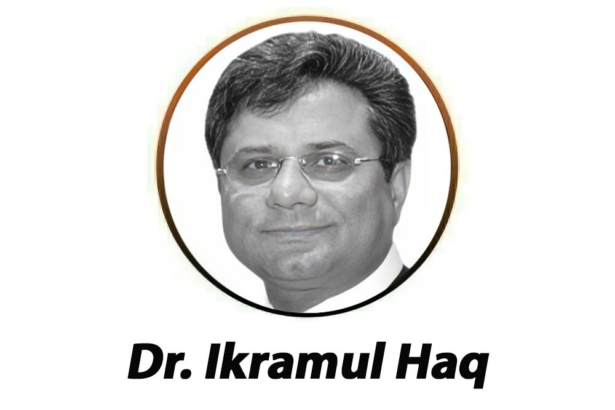
Dr. Ikramul Haq, Advocate Supreme Court, Adjunct Faculty at Lahore University of Management Sciences (LUMS), member Advisory Board and Visiting Senior Fellow of Pakistan Institute of Development Economics (PIDE), holds an LLD in tax laws. He was full-time journalist from 1979 to 1984 with Viewpoint and Dawn. He also served Civil Services of Pakistan from 1984 to 1996.
We welcome your contributions! Submit your blogs, opinion pieces, press releases, news story pitches, and news features to opinion@minutemirror.com.pk and minutemirrormail@gmail.com