Summary
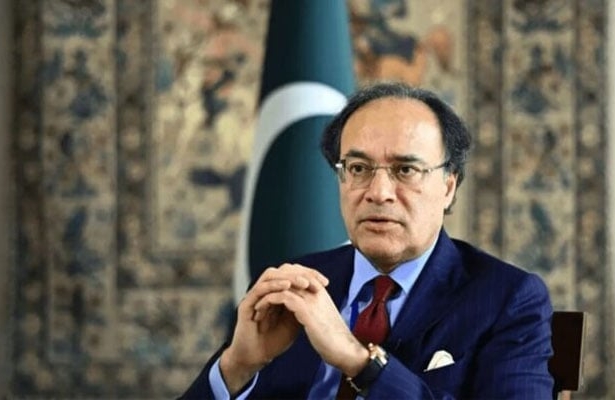
- Islamabad: Pakistan’s economy remained stable and showed positive growth during the fiscal year 2025-26 despite domestic challenges and global economic uncertainty, according to the Economic Survey presented by Finance Minister Muhammad Aurangzeb.
- According to the survey, Pakistan recorded an economic growth rate of 3.7 percent during FY2025-26.
- Increased demand for goods and the rapid expansion of the digital economy also supported overall economic growth.
Islamabad: Pakistan’s economy remained stable and showed positive growth during the fiscal year 2025-26 despite domestic challenges and global economic uncertainty, according to the Economic Survey presented by Finance Minister Muhammad Aurangzeb.
Addressing a press conference in Islamabad, the finance minister said the country faced several economic pressures throughout the year, including adverse weather conditions, global trade uncertainties, and the ongoing crisis in the Middle East. Despite these challenges, the government successfully managed the economy and maintained stability.
According to the survey, Pakistan recorded an economic growth rate of 3.7 percent during FY2025-26. The minister noted that economic growth was expected to exceed 4 percent, but regional tensions in the Middle East affected overall performance. Nevertheless, the country’s economy expanded beyond $452 billion, reaching $452.1 billion during the fiscal year, while annual per capita income increased from $1,751 to $1,901.
Several key industries showed strong performance during the year. The cement sector grew by 10 percent, fertilizer production increased by 17 percent, and the petroleum sector recorded growth of 5 percent. Positive trends were also observed in food, textile, and other manufacturing industries, with 16 out of 22 major manufacturing sectors registering improvement.
The services sector emerged as a major contributor to economic activity, posting growth of 4.9 percent. Increased demand for goods and the rapid expansion of the digital economy also supported overall economic growth.
On the fiscal side, the government maintained financial discipline, resulting in improved economic indicators. The fiscal deficit remained at 0.7 percent, while the primary balance stayed in surplus. During the July-March period, the primary surplus reached 3.2 percent of GDP.
Inflation continued to decline significantly, with average inflation recorded at 6.7 percent during July-May. Revenue collection also improved, as tax revenues increased by 10.1 percent compared to the previous year.
Pakistan’s external sector showed encouraging signs as well. Foreign exchange reserves rose to approximately $17.1 billion and were expected to reach $18 billion by the end of June. Reserves had increased by nearly 49 percent on an annual basis, providing import cover of around 2.75 months.
Remittances from overseas Pakistanis reached a record $33.9 billion during the July-May period. April 2026 alone witnessed an all-time monthly high of $4.3 billion in remittances, highlighting the important contribution of overseas Pakistanis to the national economy.
The information technology sector also continued its upward trajectory. IT and technology-related exports reached $3.8 billion during July-April, while freelance earnings stood at $959 million, nearing the $1 billion milestone. Deposits under the Roshan Digital Account programme increased to a record $12.7 billion.
The Pakistan Stock Exchange also experienced growth, with the investor base surpassing 563,000. A record 11 new companies were listed during the year, while more than 39,000 new firms were registered, taking the total number of registered companies in the country to over 297,000.
Private sector credit increased by Rs934 billion during the July-March period, while agricultural financing reached Rs2.162 trillion, reflecting improved access to financing for businesses and farmers.
To support low-income households, the government increased the allocation for the Benazir Income Support Programme (BISP) to Rs722.5 billion. Meanwhile, efforts to reform state-owned enterprises continued through the privatisation of organisations including Pakistan International Airlines, First Women Bank Limited, and power distribution companies.
The government also accelerated its rightsizing initiative, which includes the merger of ministries and the closure of several departments aimed at reducing expenditure and improving administrative efficiency.
We welcome your contributions! Submit your blogs, opinion pieces, press releases, news story pitches, and news features to [email protected] and [email protected]