Summary
- TEHRAN: Significant progress occurs as Pakistan and Iran have discussed reopening the Strait of Hormuz and accelerating efforts to bring an end to the ongoing US-Iran conflict, as Islamabad steps up diplomatic efforts to ease tensions in the region.
- Pakistan has increasingly positioned itself as a mediator between Tehran and Washington, maintaining communication with both sides as tensions have escalated.
- The latest diplomatic efforts come at a critical time for the region, with Pakistan seeking to prevent further escalation, restore stability around the Strait of Hormuz and encourage Washington and Tehran to return to negotiations.
TEHRAN: Significant progress occurs as Pakistan and Iran have discussed reopening the Strait of Hormuz and accelerating efforts to bring an end to the ongoing US-Iran conflict, as Islamabad steps up diplomatic efforts to ease tensions in the region.
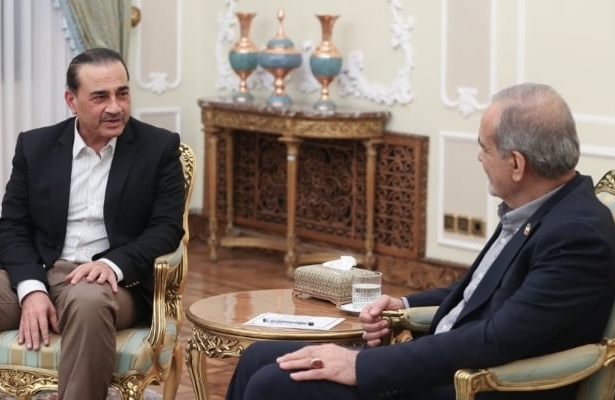
The discussions took place during Chief of Defence Forces and Chief of Army Staff Field Marshal Syed Asim Munir’s day-long visit to Tehran, where he held meetings with senior Iranian leaders.
According to Pakistan’s Inter-Services Public Relations, the talks focused on preventing further escalation, restoring access through the strategically important Strait of Hormuz and finding a negotiated way to end the conflict. The two sides also exchanged views on regional stability and possible diplomatic solutions to outstanding disputes.
During the visit, Field Marshal Munir met Iranian President Masoud Pezeshkian, Supreme National Security Council representative Mohsen Rezaei, Parliament Speaker Bagher Ghalibaf, Foreign Minister Abbas Araghchi and Interior Minister Eskandar Momeni.
Interior Minister Mohsin Naqvi, who accompanied the army chief, later described the discussions with President Pezeshkian as positive and productive. He said the meeting covered the US-Iran confrontation, growing tensions in the Middle East and measures needed to revive an Islamabad memorandum of understanding aimed at achieving a comprehensive settlement.
Naqvi said Iran had openly presented its position and concerns during the meeting, while Pakistan conveyed its views in a constructive atmosphere. He expressed hope that the progress made during the visit would create momentum for further diplomatic engagement and contribute to lasting peace.
Pakistan has increasingly positioned itself as a mediator between Tehran and Washington, maintaining communication with both sides as tensions have escalated. Islamabad previously helped facilitate a temporary ceasefire and has continued diplomatic efforts aimed at preventing further confrontation.
Meanwhile, Iran has strongly criticised Washington’s latest economic measures and warned that it is prepared to respond. The United States has announced additional sanctions targeting dozens of individuals, entities and vessels, while warning countries trading with Iran that they could face restrictions affecting access to the US financial system.
Iranian officials have rejected the pressure campaign and said the country is prepared to withstand the new measures. Tehran has also indicated that it expects major trading partners, including China and Russia, to resist US pressure.
The latest diplomatic efforts come at a critical time for the region, with Pakistan seeking to prevent further escalation, restore stability around the Strait of Hormuz and encourage Washington and Tehran to return to negotiations.
We welcome your contributions! Submit your blogs, opinion pieces, press releases, news story pitches, and news features to opinion@minutemirror.com.pk and minutemirrormail@gmail.com