


Summary
- A Pakistani national was among 36 people injured in attacks on two Saudi airports, while three people were killed as fighting between Houthi forces and Saudi-backed Yemeni troops intensified.
- Saudi authorities said the attacks targeted King Khalid International Airport in Riyadh and Abha International Airport on October 6 and 7.
- The group said it had targeted King Khalid International Airport in Riyadh with a ballistic missile.
A Pakistani national was among 36 people injured in attacks on two Saudi airports, while three people were killed as fighting between Houthi forces and Saudi-backed Yemeni troops intensified.
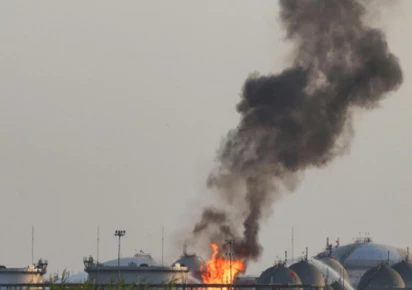
Saudi authorities said the attacks targeted King Khalid International Airport in Riyadh and Abha International Airport on October 6 and 7. One person was killed and eight others were injured in the attack near King Khalid airport. Two people were killed and 28 others wounded at facilities linked to Abha airport.
The injured included Saudi nationals and foreign residents from several countries. One Pakistani resident was among those wounded. A Sudanese resident was killed in the attack on the Riyadh airport, while the injured also included Egyptian and other foreign residents.
All those wounded were taken to hospitals for medical treatment. Authorities said the attacks also caused damage to property and that relevant agencies were assessing the condition of the affected facilities.
Saudi aviation officials said measures were being taken to ensure the safety of passengers and maintain the security of civil aviation operations.
The Saudi-led coalition fighting the Houthis vowed to respond to the attacks. It said more than 80 Houthi military positions had been targeted in several Yemeni provinces, including Saada, Hodeidah, Jawf and Marib.
The Houthis also claimed responsibility for attacks involving ballistic missiles and drones. The group said it had targeted King Khalid International Airport in Riyadh with a ballistic missile. Saudi authorities had not immediately confirmed the latest claim.
The escalation comes as fighting intensifies around Yemen’s western coast and the Bab el-Mandeb Strait, one of the world’s key maritime routes. The waterway has gained further importance for energy shipments after the wider US-Iran conflict disrupted traffic through the Strait of Hormuz.
Saudi-backed Yemeni forces, supported by coalition airstrikes, have launched a counteroffensive aimed at regaining strategic areas near Bab el-Mandeb and the port town of Mocha. The Houthis captured some of the territory in September.
The renewed conflict has also worsened Yemen’s humanitarian situation. More than 200,000 people have been displaced since the latest fighting began, according to the International Organization for Migration. Aid agencies have warned of growing shortages of food and shelter.
The Houthis have repeatedly targeted Saudi infrastructure, including airports and energy facilities. Saudi Arabia has accused Iran of supporting the group, while the Houthis and Tehran reject the allegations.
The latest escalation has also drawn wider regional involvement. Saudi Arabia has sought international assistance, while Turkey has agreed to provide mainly defensive and technical support. Syrian officials have also indicated support for Saudi Arabia, although Damascus remains focused on its own domestic recovery efforts.
The fighting marks another major escalation in Yemen’s prolonged conflict, which began intensifying after the Houthis seized Sanaa in 2014. The war has created one of the world’s most severe humanitarian crises and continues to threaten regional security and vital international shipping routes.
We welcome your contributions! Submit your blogs, opinion pieces, press releases, news story pitches, and news features to opinion@minutemirror.com.pk and minutemirrormail@gmail.com