Summary
- From this vantage point, I have rarely seen a moment where Pakistan’s diplomatic engagement has attracted so much attention as it has in recent discussions around US–Iran dialogue efforts.
- Prime Minister Muhammad Shehbaz Sharif and Field Marshal Syed Asim Munir were central figures in this diplomatic push, showing consistency in keeping channels of engagement open and encouraging regional cooperation.
- Prime Minister Shehbaz Sharif’s recent message reflected the tone of optimism surrounding these developments, as he spoke of being closer to a peace understanding than ever before, thanking the United States, Iran and regional partners for their engagement and commitment to dialogue.
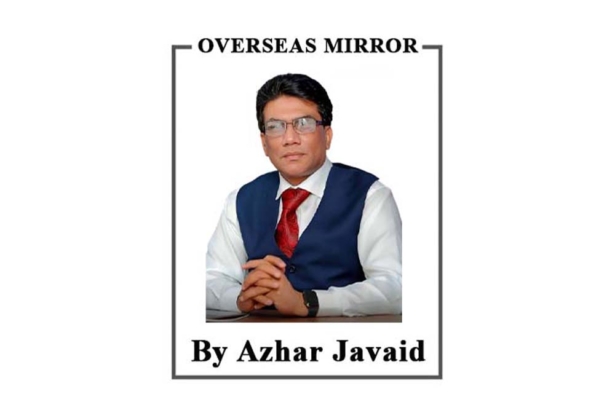
For the past 22 years, I have been based in London working as a journalist, covering some of the most sensitive geopolitical developments in the world. From this vantage point, I have rarely seen a moment where Pakistan’s diplomatic engagement has attracted so much attention as it has in recent discussions around US–Iran dialogue efforts.
I was personally in Islamabad during what became widely viewed as the first round of high-level engagement and dialogue efforts involving key international stakeholders. Being on the ground and witnessing the atmosphere firsthand, it was clear that this was not ordinary diplomacy. There was seriousness, urgency, and a visible effort to create space for dialogue between long-standing rivals.
In that moment, Pakistan’s role stood out as a facilitator of communication and a supporter of de-escalation efforts. Prime Minister Muhammad Shehbaz Sharif and Field Marshal Syed Asim Munir were central figures in this diplomatic push, showing consistency in keeping channels of engagement open and encouraging regional cooperation.
As this peace initiative continues to move forward with reports of closer coordination and possible agreement frameworks, the contribution of Pakistan’s leadership is being widely discussed. If such efforts ultimately lead to a durable and lasting peace process, then their role would deserve serious international recognition, including consideration for the Nobel Peace Prize.
Prime Minister Shehbaz Sharif’s recent message reflected the tone of optimism surrounding these developments, as he spoke of being closer to a peace understanding than ever before, thanking the United States, Iran and regional partners for their engagement and commitment to dialogue.
What stood out during this period was the sense of momentum combined with uncertainty. Diplomacy rarely moves in straight lines. It is often a roller coaster of progress and setbacks, of optimism and hesitation. Yet Pakistan’s leadership remained engaged throughout, continuing efforts to maintain dialogue channels.
Field Marshal Syed Asim Munir’s engagements in the region, alongside Prime Minister Shehbaz Sharif’s outreach to key Gulf partners including Saudi Arabia and Qatar, reflected a broader strategy of regional diplomacy aimed at stability and de-escalation.
From my experience covering international affairs in London for more than two decades, moments like these are rare. Pakistan is being seen not just as a participant in regional politics, but as a country attempting to play a constructive bridging role in one of the world’s most complex geopolitical divides.
Whether this process leads to a final agreement or remains part of ongoing diplomatic engagement, it already represents a significant moment in Pakistan’s foreign policy narrative.
Pakistan’s founder Muhammad Ali Jinnah envisioned a nation that would stand with dignity among the international community. Today, Pakistan’s leadership is actively demonstrating how diplomacy and persistence can create space for dialogue even in the most difficult global situations.
Pakistan is not only observing history. In this moment, it is part of shaping it.
We welcome your contributions! Submit your blogs, opinion pieces, press releases, news story pitches, and news features to [email protected] and [email protected]