Summary
- A strong earthquake measuring 6.7 on the Richter scale struck the southern region of the Philippines, marking the second major seismic event to hit the area in just three weeks.
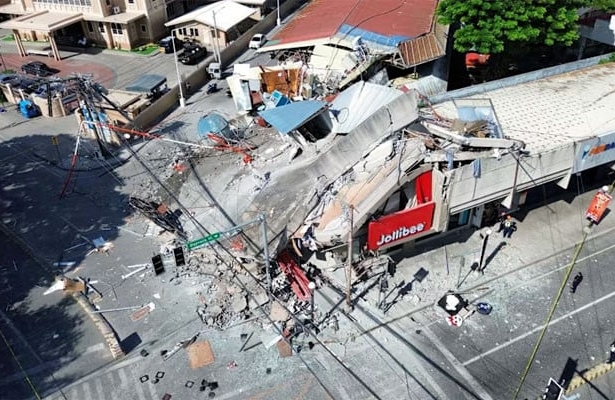
- The earthquake comes just three weeks after a devastating quake struck the same region, killing approximately 80 people and leaving many others injured.
- There were no immediate reports of major damage, injuries, or tsunami warnings following the earthquake in Japan.
A strong earthquake measuring 6.7 on the Richter scale struck the southern region of the Philippines, marking the second major seismic event to hit the area in just three weeks. The latest tremor has once again raised concerns about the country’s vulnerability to natural disasters and the possibility of further aftershocks.
According to the United States Geological Survey (USGS), the earthquake occurred at a depth of 65 kilometers (40 miles) beneath the Earth’s surface. Although deeper earthquakes are often less destructive than shallow ones, they can still be felt over a wide area and may cause significant damage depending on their magnitude and location.
Authorities are closely monitoring the situation to assess the impact of the earthquake. Initial reports did not immediately confirm the extent of any damage or casualties resulting from the latest tremor. However, emergency response teams have been placed on alert, while local officials continue to inspect buildings, roads, and public infrastructure for any signs of structural damage.
The earthquake comes just three weeks after a devastating quake struck the same region, killing approximately 80 people and leaving many others injured. That disaster caused widespread destruction, damaging homes, schools, and public facilities, while forcing thousands of residents to evacuate. The recurrence of strong seismic activity has heightened anxiety among local communities, many of whom are still recovering from the previous tragedy.
The Philippines is situated along the Pacific Ring of Fire, a highly active seismic zone where several tectonic plates meet. As a result, the country experiences thousands of earthquakes every year, although only a small number are powerful enough to cause significant damage. The region is also prone to volcanic eruptions and tsunamis, making disaster preparedness a critical priority for authorities.
Meanwhile, another earthquake was reported in Japan, where tremors were felt across parts of Honshu, the country’s largest island. According to the European-Mediterranean Seismological Centre (EMSC), the earthquake measured 5.8 in magnitude and occurred at a depth of 20 kilometers.
There were no immediate reports of major damage, injuries, or tsunami warnings following the earthquake in Japan. However, authorities continue to monitor the situation closely and have urged residents to remain vigilant in case of aftershocks.
Japan is also one of the world’s most earthquake-prone nations due to its location along the Pacific Ring of Fire. The country has invested heavily in advanced earthquake detection systems, strict building regulations, and comprehensive disaster preparedness programs to minimize the impact of seismic events.
The recent earthquakes in both the Philippines and Japan serve as another reminder of the persistent threat posed by seismic activity in the Asia-Pacific region. Emergency agencies in both countries remain on high alert, while residents are encouraged to follow official safety guidelines and stay prepared for potential aftershocks. Seismologists continue to monitor the affected areas, emphasizing that aftershocks are common following major earthquakes and may continue for days or even weeks.
We welcome your contributions! Submit your blogs, opinion pieces, press releases, news story pitches, and news features to opinion@minutemirror.com.pk and minutemirrormail@gmail.com