Summary
- Speaking at a media engagement session on polio eradication in Lahore on Friday, Punjab Chief Minister’s Focal Person on Polio and Member of the Provincial Assembly, Uzma Kardar, said protecting children from polio remains one of the provincial government’s top public health priorities.
- Addressing the gathering, Punjab Assembly Chief Whip Rana Muhammad Arshad praised the coordinated efforts of health authorities, district administrations, development partners and frontline workers in advancing Punjab’s polio eradication campaign.
- The chief whip further noted that authorities had placed special emphasis on identifying and vaccinating children from mobile and migrant populations, strengthening campaign planning through data analysis and improving coordination among all stakeholders involved in eradication efforts.
Punjab has made significant progress in its fight against polio, recording a substantial decline in poliovirus circulation, improved vaccination campaign performance and stronger immunization coverage across the province. However, provincial authorities have stressed that continued vigilance and collective efforts remain essential to completely eradicate the disease.
Speaking at a media engagement session on polio eradication in Lahore on Friday, Punjab Chief Minister’s Focal Person on Polio and Member of the Provincial Assembly, Uzma Kardar, said protecting children from polio remains one of the provincial government’s top public health priorities. She noted that while encouraging gains have been achieved, the threat of the virus still exists and sustained efforts are needed to ensure every child is protected.
Kardar said environmental surveillance data showed a marked reduction in poliovirus detections compared to previous years. She attributed the improvement to better campaign quality, stronger surveillance systems and expanded vaccination outreach activities across the province.
Highlighting Lahore’s progress, she said the provincial capital had historically been one of the most challenging districts for polio eradication because of its large population, high mobility, migrant communities and underserved urban settlements. However, focused interventions in high-risk union councils, enhanced monitoring mechanisms, stronger accountability and improved outreach to mobile and migrant populations had significantly improved campaign performance and reduced the number of missed children.
She added that extensive community engagement efforts had also helped build trust in vaccination services, resulting in better acceptance of polio vaccines and higher household coverage in vulnerable areas.
Despite these achievements, Kardar cautioned against complacency, warning that even a small number of unvaccinated children could allow the virus to continue circulating and spreading. She emphasized that the ongoing high-transmission season requires all stakeholders to remain alert and committed to reaching every child.
Addressing the gathering, Punjab Assembly Chief Whip Rana Muhammad Arshad praised the coordinated efforts of health authorities, district administrations, development partners and frontline workers in advancing Punjab’s polio eradication campaign.
He said the province was closer than ever to achieving a polio-free future, adding that a nearly 41 percent decline in missed-children clusters reflected the success of coordinated action, data-driven planning and effective government oversight.
Arshad paid tribute to frontline health workers, describing them as the backbone of the polio eradication programme. He said their tireless efforts in difficult conditions had been instrumental in protecting children and achieving progress against the virus. He added that the government remained committed to supporting these workers through enhanced operational assistance and improved incentives.
The chief whip further noted that authorities had placed special emphasis on identifying and vaccinating children from mobile and migrant populations, strengthening campaign planning through data analysis and improving coordination among all stakeholders involved in eradication efforts.
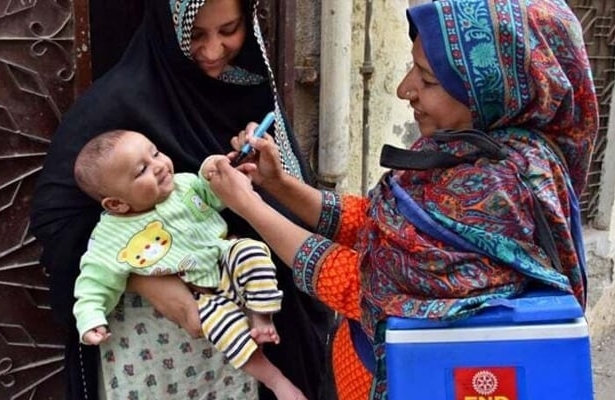
Both leaders underscored the importance of repeated vaccination, explaining that every child under the age of five must receive the oral polio vaccine during each campaign to build and maintain strong immunity against the disease.
Kardar urged parents not to assume that one or two doses were sufficient, stressing that every vaccination opportunity is important for safeguarding children from lifelong paralysis caused by polio.
The speakers also acknowledged the media’s crucial role in promoting public awareness, countering misinformation and encouraging community participation in vaccination campaigns. They said responsible reporting helps strengthen public confidence in vaccines and supports national eradication efforts.
Calling for sustained collective action, the leaders urged government institutions, elected representatives, civil society organizations, religious leaders, media professionals and communities to continue working together to ensure that no child is left unvaccinated.