Summary
- RAWALPINDI: As the monsoon season officially begins in Rawalpindi and Islamabad, authorities are facing mounting criticism over incomplete flood-preparedness measures, raising concerns about the region’s ability to respond to heavy rainfall and potential urban flooding.
- Federal Minister Hanif Abbasi said the local administration, together with party workers, would make every effort to reduce the impact of the monsoon and assist residents if flooding occurs.
- With heavy rains expected during the coming weeks, concerns are growing that incomplete preparations and aging infrastructure could leave thousands of residents exposed to significant flood-related risks.
RAWALPINDI: As the monsoon season officially begins in Rawalpindi and Islamabad, authorities are facing mounting criticism over incomplete flood-preparedness measures, raising concerns about the region’s ability to respond to heavy rainfall and potential urban flooding.
The flood season, which runs from July 15 to September 15, has commenced without several key safety arrangements in place. Financial constraints have delayed the release of funds required for essential preparations, leaving major flood-control projects unfinished.
Desilting work on the 18-kilometre Leh Nullah and several major rainwater drains remains incomplete. Officials say budget cuts prevented the Water and Sanitation Agency (WASA) and the Municipal Corporation from hiring additional heavy machinery, limiting cleanup operations to only a few sections of the drainage network. Large stretches, particularly in the cantonment area, remain clogged, increasing the likelihood of flooding during intense rainfall.
Annual rescue drills, which are normally conducted before the monsoon to prepare emergency responders for flood-related incidents, have yet to take place. Likewise, flood relief camps and a joint flood control room involving civil administration, rescue services, police, and the military have not been established.
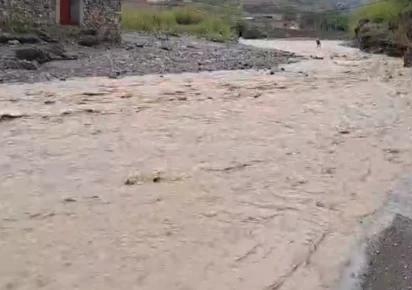
Residents living in vulnerable neighborhoods along Leh Nullah and other low-lying areas say they have already witnessed streets submerged during recent pre-monsoon showers. Many families have temporarily moved to safer locations or relocated their valuables, fearing more severe flooding in the weeks ahead.
The Education Department has designated five government schools as emergency relief camps, stating they can be activated within 24 hours once official orders are issued. Meanwhile, a high-level meeting on flood preparedness is expected later this week under the newly appointed deputy commissioner, with representatives from relevant civil and military agencies set to participate.
Federal Minister Hanif Abbasi said the local administration, together with party workers, would make every effort to reduce the impact of the monsoon and assist residents if flooding occurs.
Separately, civic authorities have issued evacuation notices for 244 unsafe residential and commercial buildings across Rawalpindi due to deteriorating structures, leaking roofs, and unstable walls. Many of these decades-old buildings remain occupied despite repeated warnings, as residents fear losing their homes if they vacate. Officials acknowledge that similar notices are issued every year, yet enforcement remains weak, while legal disputes and administrative delays continue to hinder evacuation efforts.
With heavy rains expected during the coming weeks, concerns are growing that incomplete preparations and aging infrastructure could leave thousands of residents exposed to significant flood-related risks.
We welcome your contributions! Submit your blogs, opinion pieces, press releases, news story pitches, and news features to opinion@minutemirror.com.pk and minutemirrormail@gmail.com