Summary
- A Houthi military spokesperson said the group’s naval blockade was retaliation for restrictions imposed by Saudi Arabia on ports and airports in areas controlled by the Houthis in northwestern Yemen.
- Earlier this week, Houthi military spokesperson Yahya Sarea claimed that the group had launched missiles and drones toward Saudi Arabia in response to Saudi airstrikes in Yemen.
- The UN Security Council held an emergency meeting after Yemen’s government and Saudi Arabia called for stronger measures against the Houthis.
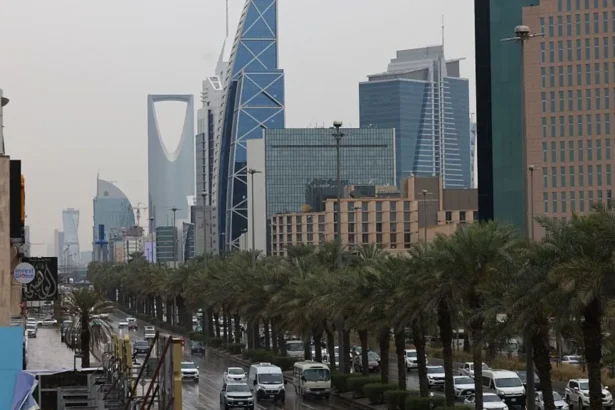
RIYADH: Saudi authorities issued air raid alerts in Riyadh and several other regions as tensions with the Iran-backed Houthi movement continued to escalate.
Residents in the Saudi capital were later given the all-clear after explosions were reported in the city. Authorities urged people to remain cautious and avoid gathering in large crowds.
The alerts, issued late Friday and early Saturday, marked the first such warnings in Riyadh since the Houthis intensified their attacks against Saudi Arabia and announced a so-called maritime embargo in July.
Witnesses and journalists reported hearing explosions in the capital. Saudi authorities later said the immediate danger had passed.
The latest escalation comes after the Houthis expanded their military activity around key Red Sea shipping routes. The group recently claimed control of the strategic port of Mokha and Perim Island, which lies near an important maritime passage.
A Houthi military spokesperson said the group’s naval blockade was retaliation for restrictions imposed by Saudi Arabia on ports and airports in areas controlled by the Houthis in northwestern Yemen.
Saudi vessels have increasingly depended on Red Sea routes for energy shipments to Asian and European markets after disruptions in the Strait of Hormuz affected Gulf shipping.
The Houthis have also targeted Saudi energy infrastructure with drones and missiles. Several attacks on oil facilities reportedly caused fires and temporarily disrupted operations.
The attacks have added pressure to international energy markets at a time when global fuel prices are already being affected by disruptions to major shipping routes.
US President Donald Trump has so far refrained from directly deploying American forces against the Houthis. However, US officials have indicated that Washington remains in contact with Saudi Arabia and Yemen’s internationally recognised government over regional security.
Earlier this week, Houthi military spokesperson Yahya Sarea claimed that the group had launched missiles and drones toward Saudi Arabia in response to Saudi airstrikes in Yemen.
The escalating confrontation has also drawn international concern. The UN Security Council held an emergency meeting after Yemen’s government and Saudi Arabia called for stronger measures against the Houthis.
Members of the council stressed the importance of maintaining freedom of navigation in the Red Sea, warning that further disruption could affect international trade and global supply chains.
The conflict in Yemen began in 2014 when the Houthis seized control of Sanaa and removed the internationally recognised government from the capital. The war intensified the following year after a Saudi-led coalition intervened militarily.
Years of fighting have caused widespread destruction and a major humanitarian crisis. The United Nations estimates that millions of people in Yemen continue to require humanitarian assistance.
We welcome your contributions! Submit your blogs, opinion pieces, press releases, news story pitches, and news features to opinion@minutemirror.com.pk and minutemirrormail@gmail.com