Summary
- The draft of the Sindh Local Government Amendment Bill 2026 has been prepared, with a copy of the proposed legislation also emerging publicly.
- Under the proposed amendments, the existing mayor or chairman will continue to perform duties as an administrator after the council’s term expires and until the next local government elections take place.
- The Sindh government will also be required to approach the Election Commission of Pakistan 120 days before the expiry of a council’s term to initiate the process for fresh local government elections.
The draft of the Sindh Local Government Amendment Bill 2026 has been prepared, with a copy of the proposed legislation also emerging publicly. The draft outlines several changes to the functioning of local governments, including the continuation of elected local representatives after the expiry of their terms, new responsibilities for deputy mayors and vice chairmen, and stronger coordination between local councils and the police.
Under the proposed amendments, the existing mayor or chairman will continue to perform duties as an administrator after the council’s term expires and until the next local government elections take place. The Sindh government will also be required to approach the Election Commission of Pakistan 120 days before the expiry of a council’s term to initiate the process for fresh local government elections.
The draft also proposes a greater role for deputy mayors and vice chairmen. A deputy mayor or vice chairman will serve as the convener of the council, with the authority to preside over meetings and conduct council business. They will also exercise any additional powers that the mayor or chairman formally delegates to them.
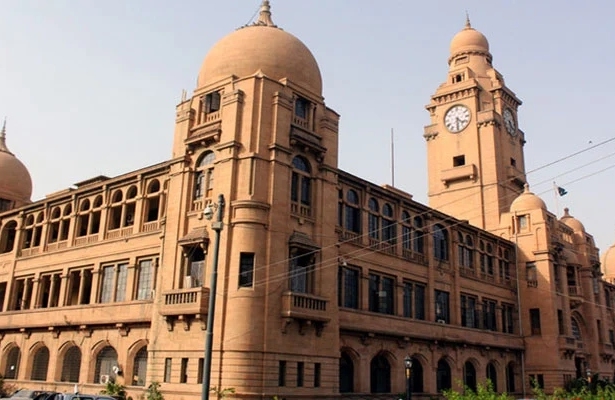
For metropolitan corporations, including the Karachi Metropolitan Corporation (KMC), the draft proposes that the Metropolitan Commissioner will remain the chief executive responsible for the administrative affairs of the corporation.
The proposed legislation also seeks to establish mediation forums in union councils, union committees, town committees and municipal committees to help resolve local public disputes.
Each mediation forum will consist of three mediators, who will be nominated from among respected and credible members of the local community. The proposed mechanism aims to provide residents with a local platform to settle disputes without immediately resorting to lengthy formal proceedings.
The draft also sets out a formal coordination mechanism between local representatives and the police on matters concerning public safety and law and order.
Under the proposal, the SHO will maintain communication with the union chairman on issues related to local public safety and peace. Similarly, the SSP will be required to coordinate with the district council chairman or corporation mayor to improve policing and address local security concerns.
However, the proposed coordination mechanism will remain limited in scope. It will not extend to district police administration, criminal investigations or prosecution matters, keeping those functions within the relevant police and legal authorities.
The proposed amendments would also give union councils a monitoring role in identifying certain civic issues. Union councils will identify illegal construction and violations of building-control regulations in their areas and report them to the Sindh Building Control Authority for further action.
Similarly, union councils will identify solid-waste management problems within their jurisdictions and provide relevant information to the concerned authorities so that appropriate measures can be taken.
The draft further requires local governments to prepare detailed maps showing the locations and boundaries of infrastructure used for public services. The measure is intended to improve the identification, planning and management of civic infrastructure at the local level.
The proposed Sindh Local Government Amendment Bill 2026 could bring significant changes to the structure and functioning of local councils if approved. The draft is expected to undergo the legislative process before any of its proposed provisions become law.
We welcome your contributions! Submit your blogs, opinion pieces, press releases, news story pitches, and news features to opinion@minutemirror.com.pk and minutemirrormail@gmail.com