
Summary
- As a Karachiite, the contrast left me with a simple question: if Punjab can improve its cleanliness system, why can Karachi not do the same?
- Leaving Lahore With One Question I left the Suthra Punjab Authority’s control room impressed by the scale of its monitoring system, but also thinking about my own city.
- As a Karachiite, I return to the same question: “if Punjab can make cleanliness a system, why can Karachi not become clean too?” We welcome your contributions!
After nearly six or seven years without a proper vacation, I finally took a long trip last month. As a Karachiite, I missed almost everything about my city while travelling — its food, weather, lively people, language, rickshaws and familiar street chaos. Yet returning to Lahore after years brought one unexpected realisation: I had not missed the dust, overflowing garbage heaps and clogged drains.
Lahore has long been considered one of Pakistan’s better-serviced cities. Critics of the Pakistan Muslim League-Nawaz (PML-N) have often accused the party of prioritising Lahore because of its political importance. But during my recent travels, I noticed something different. The cleanliness was not limited to Lahore; several other cities I visited also appeared noticeably cleaner, with visible sanitation arrangements.
As a Karachiite, the contrast left me with a simple question: if Punjab can improve its cleanliness system, why can Karachi not do the same?
Two Cities, Two Approaches to Waste Management
The difference becomes clearer when examining the institutions responsible for sanitation. On October 16, 2026, the Sindh Assembly’s Public Accounts Committee questioned the performance of the Sindh Solid Waste Management Board (SSWMB), including its failure to generate revenue or electricity from waste despite substantial annual spending. Questions were also raised about the formation of divisional boards under mayors, as required by a 2021 amendment.
While Punjab has developed a centralised system with digital monitoring, Karachi’s sanitation responsibilities remain divided among the Karachi Metropolitan Corporation (KMC), district municipal corporations and the SSWMB.
The figures behind Punjab’s Suthra Punjab programme are striking. Launched in December 2024, the initiative reportedly collects more than 50,000 tonnes of waste daily across 36 districts and 141 tehsils, employing over 140,000 workers and using real-time digital monitoring.
From a Cleanliness Campaign to an Institution
Intrigued by the visible improvements, I decided to examine the system behind them.
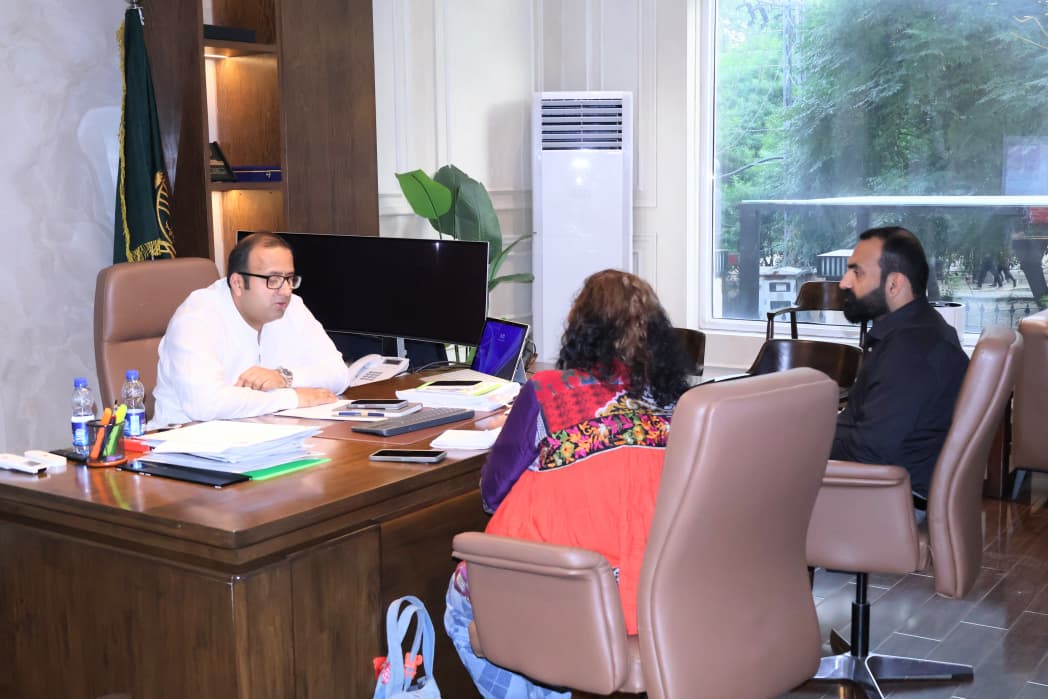
Through Dr Umer Chaudhry, media consultant and focal person for Suthra Punjab, I gained access to Umer Javed, Director General of the Suthra Punjab Authority in Lahore.
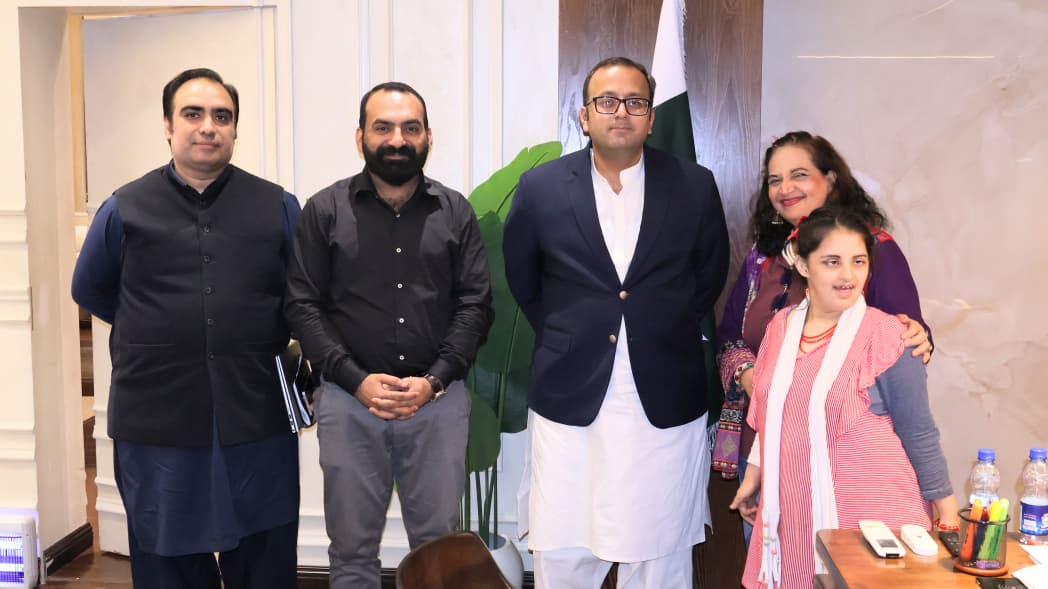
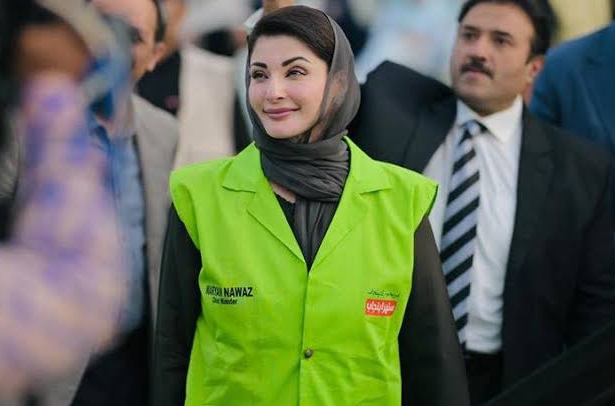
Javed explained that Chief Minister Maryam Nawaz Sharif placed public health and sanitation among her priorities after taking office. Under the slogan “Maryam Ka Punjab, Suthra Punjab,” the government introduced a door-to-door waste collection system supported by primary and secondary collection points, modern landfill sites, drain desilting and waste-to-value initiatives.
“Madam CM’s direction was clear — Suthra Punjab must reach every corner of Punjab, not just Lahore,” Javed told me.
He emphasised that the programme was designed as an institution rather than a temporary cleanliness drive, with public awareness incorporated into its legal framework.
Rickshaws, Digital Dashboards and Electric Bikes
In Lahore, more than 4,200 vehicles, including over 3,000 rickshaw loaders, support round-the-clock sanitation operations alongside more than 18,000 workers. Mechanical sweepers and road-washing machinery are also part of the fleet.
The authority has begun introducing three-colour bins to encourage waste segregation at source, with more than 2,000 bins reportedly installed in key locations. An anti-littering squad using electric bikes has also been introduced to monitor commercial markets.
Javed said Punjab was relying on public-private partnerships to improve operational efficiency. Most divisions and tehsils are being outsourced to private contractors under a performance-based evaluation system, while divisional headquarters oversee their work.
Lahore, the largest division, is operated directly by the authority.
He added that rural areas, previously neglected in sanitation planning, were now covered by daily monitoring through digital dashboards.
Inside the Control Room: Complaints Tracked in Real Time
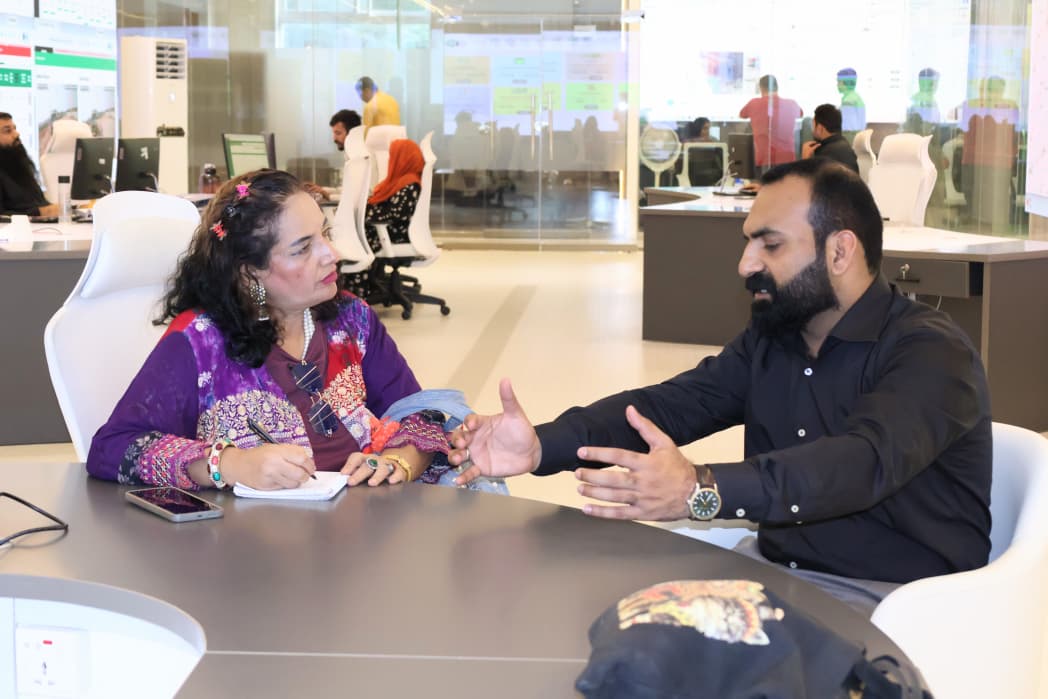
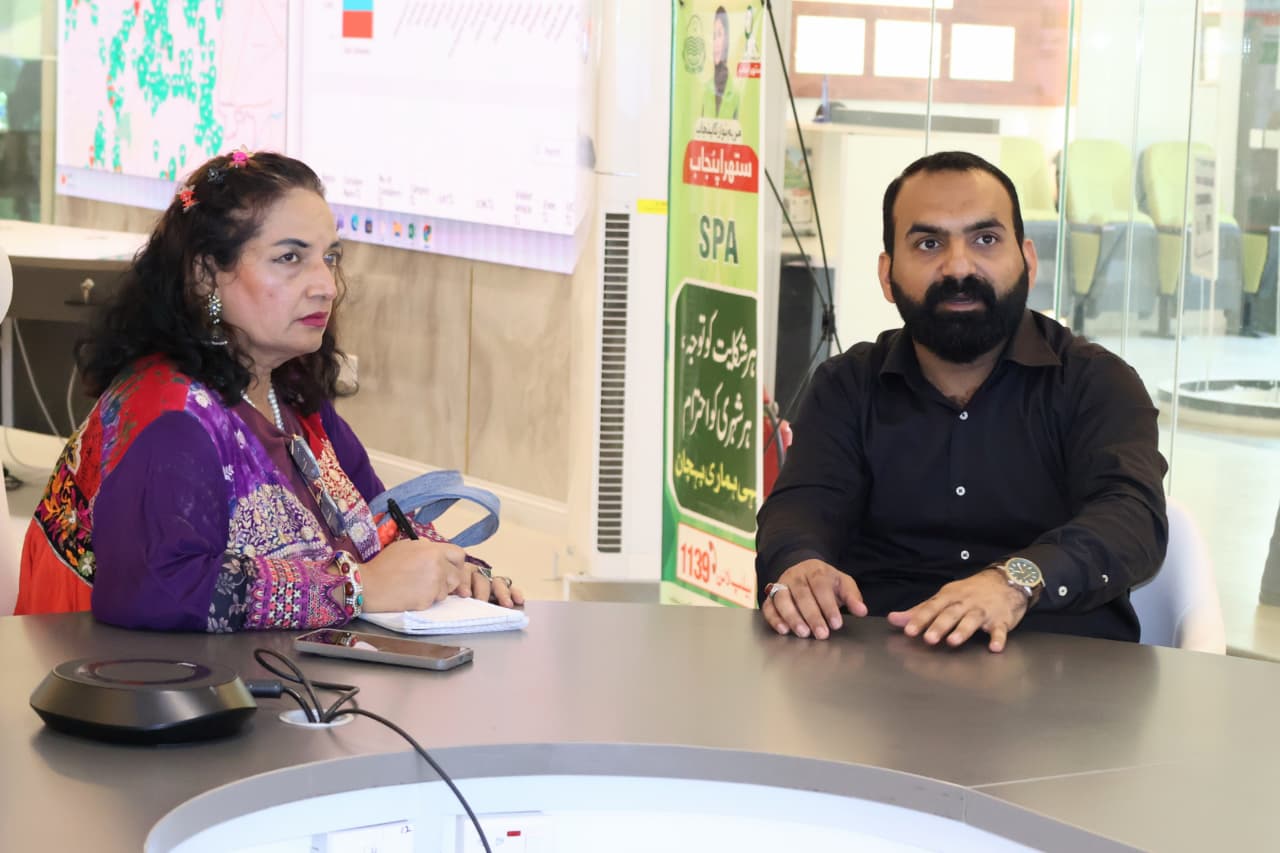
The most impressive part of my visit was the authority’s monitoring infrastructure.
Dr Chaudhry explained that complaints are received through the Suthra Punjab App, the toll-free 1139 helpline, media and social media monitoring, and the chief minister’s complaint portal.
Complaints are mapped through Google Maps and tracked until resolution. After a complaint is marked resolved, an authority representative contacts the complainant to confirm whether the problem has actually been addressed.
The control room features large screens displaying live news, social media complaints and portal updates. Another room monitors workers’ attendance and vehicle movements. Facial recognition technology is used to improve attendance transparency and prevent ghost employees.
That follow-up call may appear like a small administrative detail, but it represents something much bigger: accountability to the citizen.
Changing Public Behaviour Remains the Biggest Challenge
Javed acknowledged that infrastructure alone cannot guarantee lasting cleanliness.
“Throwing litter openly is still considered normal in our society,” he said, describing public behaviour as one of the programme’s biggest challenges.
The authority has introduced awareness sessions in schools, colleges and universities to encourage civic responsibility. Maintaining the improvements and developing sustainable revenue streams remain additional concerns.
Javed said the government was considering a nominal cleanliness fee for households, acknowledging that persuading people to pay for a service traditionally provided free of charge would be difficult.
The authority also plans to introduce fines for littering, potentially using Safe City surveillance cameras to identify offenders. Javed said the aim was not simply punishment but the development of a stronger sense of civic responsibility.
Karachi’s Unanswered Questions
For me, the contrast became personal when I thought about Orangi, New Karachi and Nazimabad — neighbourhoods I know well through my reporting.
Residents continue to complain about garbage remaining uncollected for days and drains becoming blocked. Karachi has a waste management board, an institutional structure and substantial funding, yet many citizens still struggle to obtain reliable results.
The problem is not simply the absence of technology. It is whether institutions respond, whether responsibilities are clearly assigned and whether anyone ensures that a complaint has been resolved.
Sindh established its solid waste management board years before Punjab launched Suthra Punjab. Billions have been spent, and international models have been studied. Yet the visible improvements that residents expect remain inconsistent.
Why has the system failed to deliver more effectively? Is the missing ingredient leadership, planning, coordination or political ownership?
Leaving Lahore With One Question
I left the Suthra Punjab Authority’s control room impressed by the scale of its monitoring system, but also thinking about my own city.
I do not write as a supporter of any political party. Throughout my career, I have tried to maintain distance from partisan politics and focus on facts, governance and the everyday concerns of citizens.
What I witnessed in Punjab deserves examination, just as the shortcomings in Karachi deserve honest scrutiny. Punjab’s reported achievements should not prevent questions about whether the system can remain sustainable, while Karachi’s problems should not be accepted as inevitable.
Clean streets are not a political luxury. They are essential for public health, dignity and a better quality of life.
If one province can build a system that collects waste at scale, tracks complaints digitally and holds contractors accountable, Karachi deserves to know why similar results remain elusive.
As a Karachiite, I return to the same question: “if Punjab can make cleanliness a system, why can Karachi not become clean too?”
We welcome your contributions! Submit your blogs, opinion pieces, press releases, news story pitches, and news features to opinion@minutemirror.com.pk and minutemirrormail@gmail.com