Summary
- He said TB is not incurable and patients can recover if they get proper care and take their medicines fully.
- He said people should know that TB can be diagnosed, medicines are available, treatment can be provided free of cost and patients can recover after completing the course.
- They said nearly 300,000 people were screened and around 20,000 TB patients completed treatment through its support.
Islamabad: Health experts have warned that tuberculosis, also called TB, and drug resistant TB are still serious health problems in Pakistan. They said the disease is a problem, but fear, wrong information and stigma are also stopping many patients from getting tested and completing treatment.
Experts said many people still think that a TB patient should be kept away from others, treated as untouchable, or made to use separate plates, cups and spoons. They said this is wrong and creates more stress and sadness for patients.
Dr. Usman Lodhi said tuberculosis, commonly known as TB or tap e diq in Urdu, is still not properly understood by many people. He said TB should be explained in simple words so people can understand what the disease really is.
He said many wrong ideas still exist about how TB spreads, how dangerous it is and how patients should be treated. He said things have changed from the past, when many people thought TB was a very scary and deadly disease.
Dr. Mohammad Ali, Manager Monitoring and Evaluation at Dopasi Foundation, said TB patients should not be pushed away by their families or communities. He said separating plates and cups does not help, and people should not treat TB patients like untouchables.
He said the correct way is to guide the patient, support the family and ensure the patient starts and completes treatment. He said TB is not incurable and patients can recover if they get proper care and take their medicines fully.
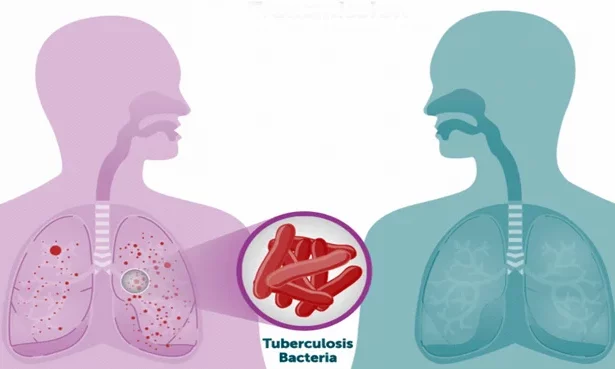
Experts said TB mostly spreads through the air when a person with active lung TB coughs or sneezes. However, they made it clear that TB does not spread through plates, cups, spoons or normal family contact. They said fear about utensils and normal contact only creates shame for patients.
Participants also discussed common symptoms of TB, including cough, fever, weight loss and weakness. Experts said people should not ignore a long cough or other symptoms and should get tested at a health facility.
Dr. Usman Lodhi said the message about TB should not create fear. It should give hope. He said people should know that TB can be diagnosed, medicines are available, treatment can be provided free of cost and patients can recover after completing the course.
The discussion also focused on drug resistant TB, known as DR TB. Experts said DR TB is a more difficult type of TB because normal TB medicines do not work properly against it. However, they said DR TB can also be treated with correct testing and special treatment.
According to the briefing, DR TB treatment was very long and difficult in the past. Earlier, treatment could continue for 18 to 30 months, and patients had to get injections for eight to nine months.
Experts said major progress has now been made in DR TB treatment. They said shorter treatment options are now available, including six-month treatment in many cases. They said the treatment has also become all oral, which means patients can take tablets instead of painful injections.
They said this change can make treatment easier for patients and help them complete it. Long treatment and injections often scared patients and made life difficult for them, especially poor patients or those who had to travel far for care.
Dr. Mohammad Ali said patients must be properly guided and should not be left confused. He said doctors and patients should communicate better so that patients understand their disease and complete treatment.
It was also discussed that awareness is needed not only among the public but also in health facilities. Experts said even in government hospitals, a TB patient should be given time, guidance and confidence because counselling is an important part of treatment.
Dopasi Foundation officials said their approach is to bring health services closer to patients instead of forcing patients to travel far for diagnosis and treatment. They said the organization does not create a separate system but works to make the government health system stronger.
The foundation said it works across Pakistan, with offices and projects in different provinces and districts. Its work includes health, education, immunization, climate and Sustainable Development Goals, especially SDG 3, which focuses on health.
Dopasi Foundation said it also works on advocacy at global, regional and national levels. Officials said the organization has developed a Parliamentary Caucus where parliamentarians from different political parties discuss health issues without political division.
The foundation said it played a role in the Mandatory TB Notification Bill in Sindh. Officials explained that mandatory TB notification means that when a TB patient is diagnosed by a private doctor or health facility, the case should be reported to the government so proper records can be kept and the patient can remain connected with care.
Officials said similar work is being developed in Balochistan. They said TB is a notifiable disease in Pakistan, and proper reporting is needed to understand how big the problem is and to improve planning.
Dopasi Foundation also shared its work on TB stigma. According to its assessment, self stigma is one of the biggest problems. This means many patients start blaming themselves, feel ashamed or think their life has been badly damaged after diagnosis.
The foundation said community stigma is also a major issue. In many cases, people around the patient spread fear, say the patient should be kept away or make hurtful comments, especially in cases involving women and marriage.
Experts said this social pressure can be very harmful. They said TB should be treated as a disease, not as a social shame. Patients need privacy, respect, support and complete treatment.
Participants also discussed the link between TB and living conditions. Experts said medicine is necessary, but good food, clean air, sunlight, ventilation and better living conditions are also important.
They said poverty, weak immunity, poor diet, crowded homes, polluted areas, closed rooms and lack of sunlight can make people more vulnerable to TB. They said TB control is not only a medical issue but also a social and public health issue.
Dopasi Foundation officials said the organization has reached around 5 million people during the last five years. They said nearly 300,000 people were screened and around 20,000 TB patients completed treatment through its support.
Officials said when Dopasi identifies a TB patient through its activities, the patient is registered in the government system and followed until treatment is completed. They said the aim is not only diagnosis but full recovery.
The foundation also highlighted the use of ultra portable digital X ray technology. Officials said Dopasi introduced this technology and used it in difficult areas, including coal mines and mountainous regions where normal hospital X ray machines cannot be taken easily.
They said the machine can be carried to remote places and has very low radiation. According to the briefing, around 90 to 120 ultra portable X rays have radiation equal to one normal hospital X ray.
Officials said this technology is now being used in around 40 countries. They added that around 75 such machines also came into Pakistan’s public sector through TB control programme efforts and were distributed in different provinces.
Dopasi Foundation officials said their work is based on proof of concept. They said when a method or technology proves successful, the foundation works to include it in policy, guidelines and public health systems.
The experts said the main message for the public is clear: TB is not a curse, not a shame and not the end of life. It is a disease that can be tested, treated and cured. Patients should not be isolated or blamed; they should be helped to complete treatment.
The briefing was given by Dr. Usman Lodhi and Dr. Mohammad Ali, while a message from Mr. James Malar and District Health Officer Islamabad Dr. Syeda Rashida Batool was also part of the activity. The discussion was held during the “Strengthening Narratives on TB & DR TB” media training at Dopasi Head Office with support from Stop TB Partnership under the Respect or CFCs 2025 project.
We welcome your contributions! Submit your blogs, opinion pieces, press releases, news story pitches, and news features to opinion@minutemirror.com.pk and minutemirrormail@gmail.com