Summary
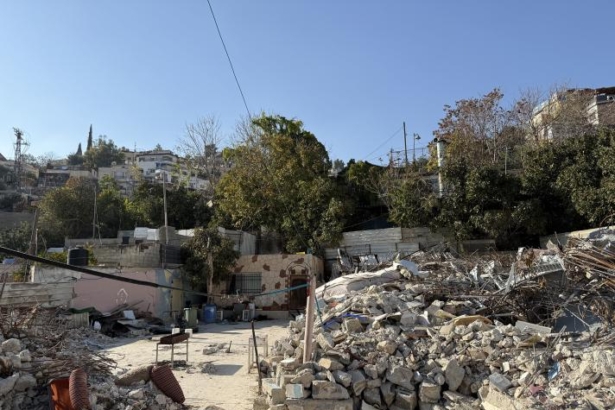
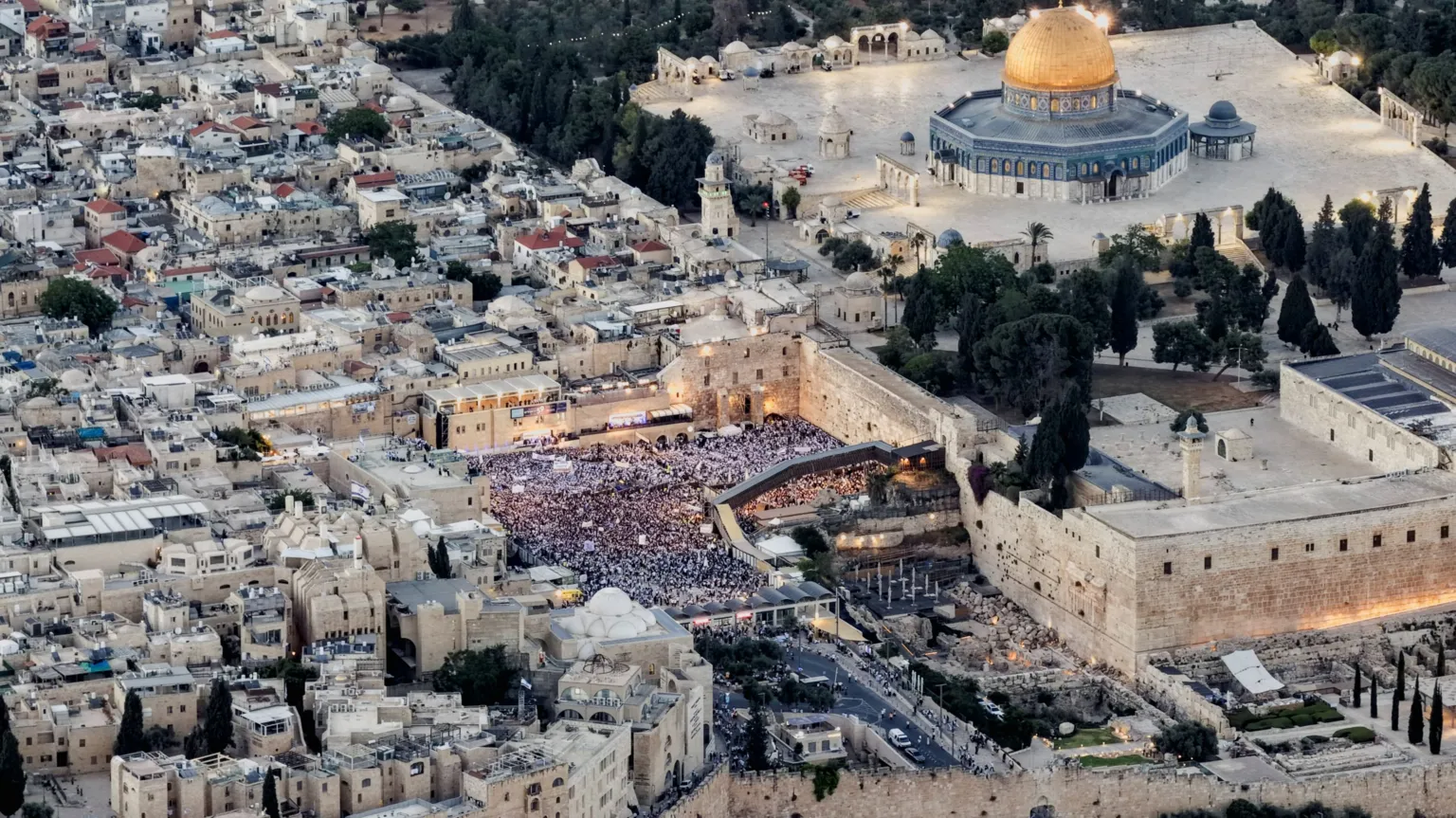
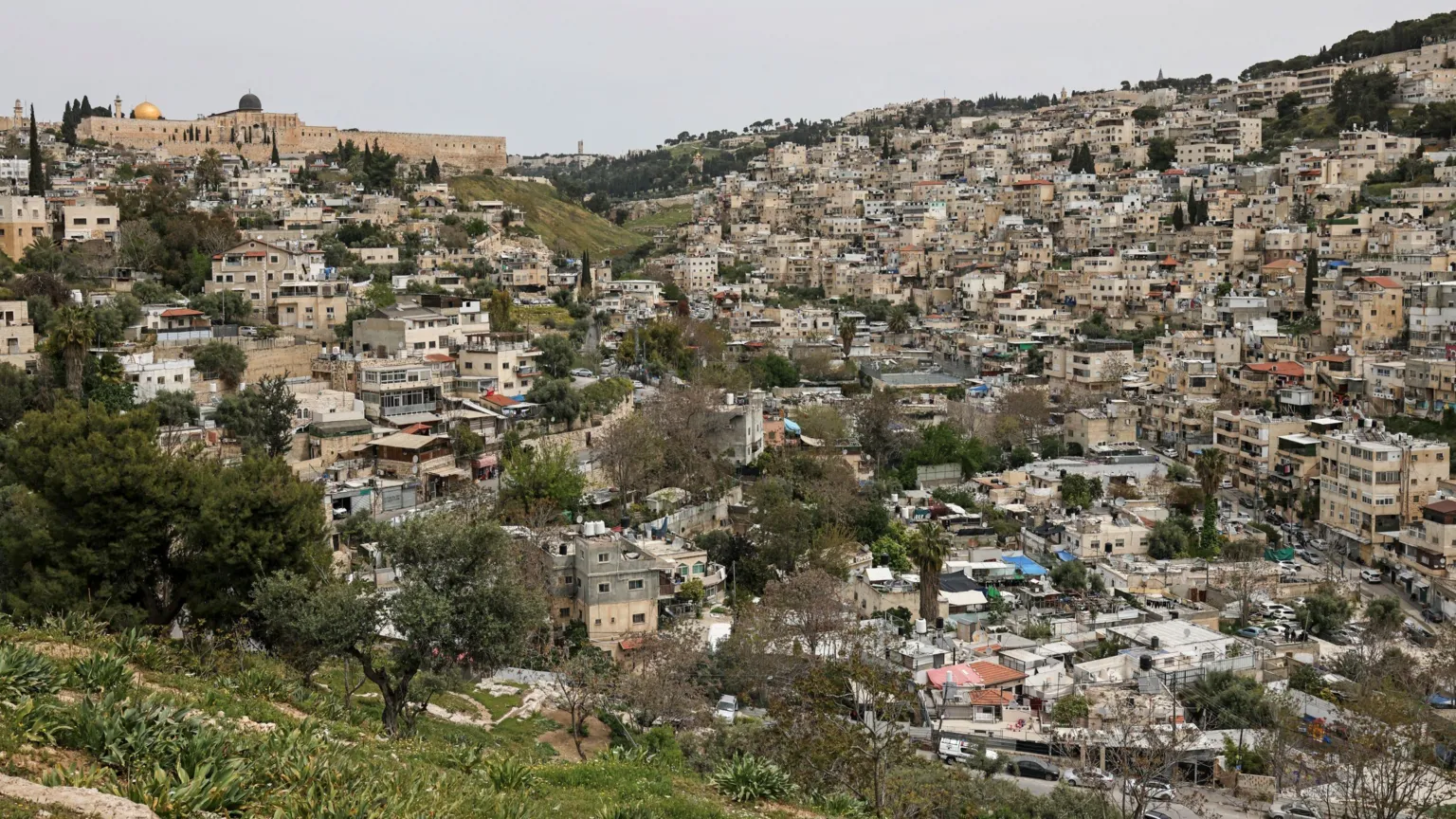
- JERUSALEM: The sound of grinding metal and collapsing stone echoes through the narrow valleys beneath Jerusalem’s Old City, where Israeli excavators continue to tear through Palestinian homes in the Silwan neighbourhood.
- The international community has left us alone.” Fakhri Abu Diab’s family home was demolished and now he faces eviction again Israel currently has around 160 settlements in the West Bank and East Jerusalem, housing approximately 700,000 Israeli Jews.
- “There is a push to create a reality that limits Palestinian presence in the city.” The al-Bustan area is located in a valley below the al-Aqsa mosque compound In recent weeks, Israeli planners have also approved new controversial construction projects, including an ultra-Orthodox yeshiva in East Jerusalem, while government-linked teams examine additional property measures in the Old City.
JERUSALEM: The sound of grinding metal and collapsing stone echoes through the narrow valleys beneath Jerusalem’s Old City, where Israeli excavators continue to tear through Palestinian homes in the Silwan neighbourhood. For many residents of al-Bustan, the message feels clear: they are being erased from the city they have called home for generations.
Since late 2023, at least 59 properties in the al-Bustan area have been demolished, according to local residents and monitoring groups. With global attention focused on wars in Gaza, Lebanon and Iran, Palestinians here say the pace of demolitions and eviction orders has sharply accelerated.
Standing amid the ruins of what was once his family home, 58-year-old Fayez Awad struggles to describe what remains.
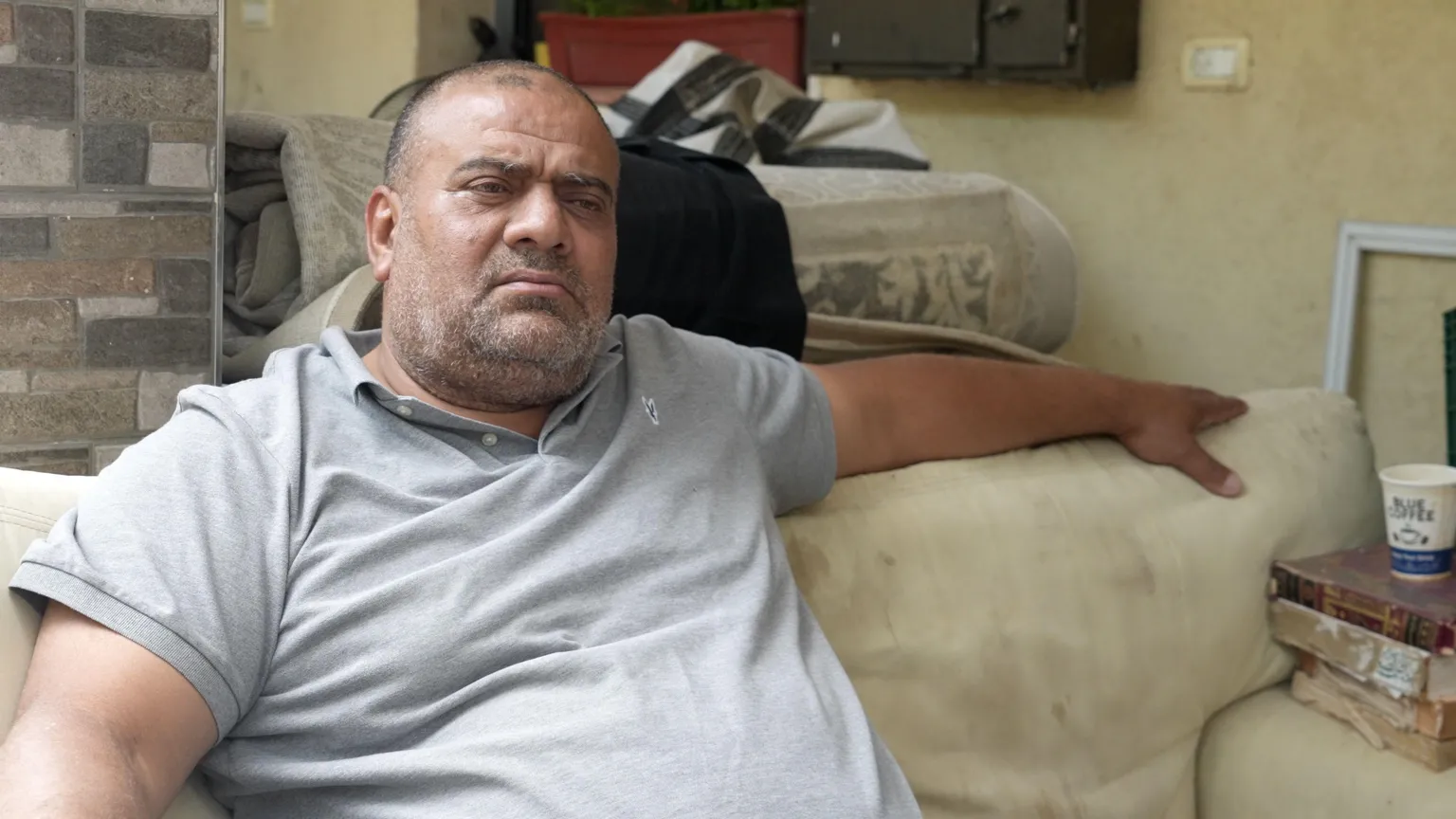
“There is no future. They destroyed the future and everything else,” he says quietly, sitting on a surviving floor of his damaged house. “We spent our whole lives building this home. This is all we achieved in life. They brought us back to zero.”
For the Awad family and dozens of others, the demolitions are not just about buildings — but about identity, belonging and the fear of permanent displacement from East Jerusalem, a city sacred to Jews, Christians and Muslims and central to the Israeli-Palestinian conflict.
Israel captured East Jerusalem, including the Old City, from Jordan in the 1967 war and later annexed it in a move not recognised by most of the international community. Palestinians want East Jerusalem as the capital of a future independent state, while Israel considers the entire city its united capital.
A neighbourhood under pressure
In Silwan’s al-Bustan area, residents say the pressure has been building for years. Israeli authorities have long advanced plans to transform the area into a landscaped archaeological park known as the “King’s Garden”, to be managed in cooperation with a settler-linked organisation.
Local families argue that demolition orders have increasingly become the main tool for implementing these plans. Many say they have tried to present alternative development proposals, but these were rejected by municipal authorities.
The Jerusalem Municipality told the news agency it is working “for the benefit of all city residents” and aims to create more public space in an area it says suffers from a shortage of parks.
However, Palestinian residents and rights groups point to stark planning inequalities. According to Israeli NGO Bimkom, only around 7% of building permits approved in Jerusalem in 2025 went to Palestinians, who make up roughly 40% of the city’s population.
“A war of bulldozers”
On the ground, the consequences are immediate. With half of al-Bustan’s homes already demolished, some residents say they have begun tearing down their own properties to avoid heavy fines and demolition costs imposed by authorities.
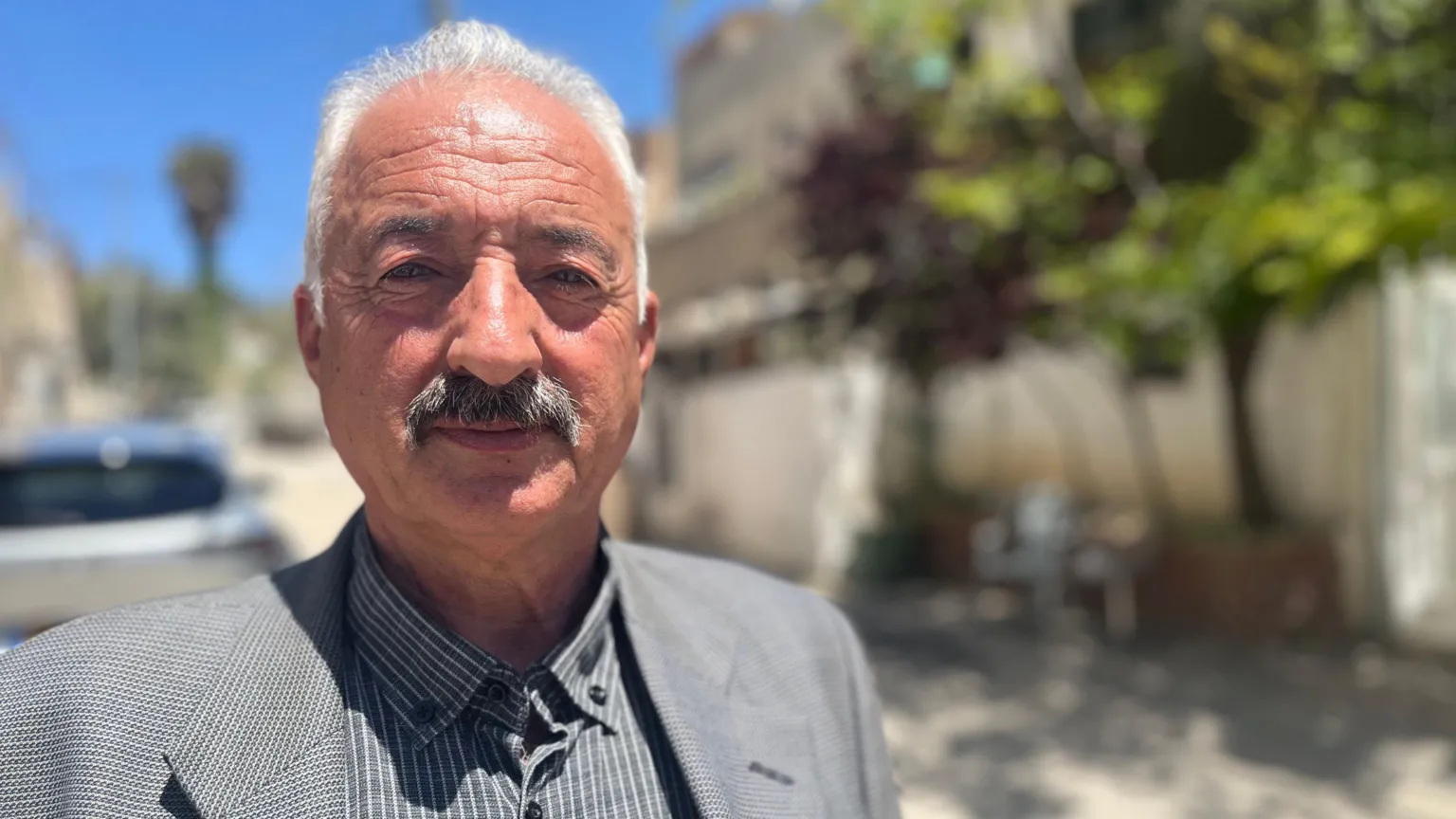
“We’re being told more houses will be destroyed in the coming months,” says local activist Fakhri Abu Diab, whose own home was previously demolished. He now lives in a temporary caravan near the rubble.
“This is a war of bulldozers against our presence,” he says. “Israel is using the geopolitical situation to finish the issue. The international community has left us alone.”
Israel currently has around 160 settlements in the West Bank and East Jerusalem, housing approximately 700,000 Israeli Jews. Settlements and forced transfer of populations from occupied territory are considered illegal under international law, though Israel disputes this interpretation.
Legal battles and eviction fears
In nearby Batn al-Hawa and other parts of Silwan, eviction cases continue to move through Israeli courts. According to the United Nations, around 200 Palestinian households — roughly 900 people — are currently facing legal proceedings that could lead to displacement, many initiated by settler organisations.
Israel’s legal framework allows Jewish claims to property owned before 1948 to be reinstated, a provision not extended to Palestinians who lost property during the creation of the state.
This legal imbalance has intensified tensions in neighbourhoods close to the al-Aqsa mosque compound, known to Jews as the Temple Mount — one of the most sensitive religious sites in the world.
Yonatan Mizrahi of the Israeli NGO Peace Now says settlement expansion in Silwan is part of a broader strategy.
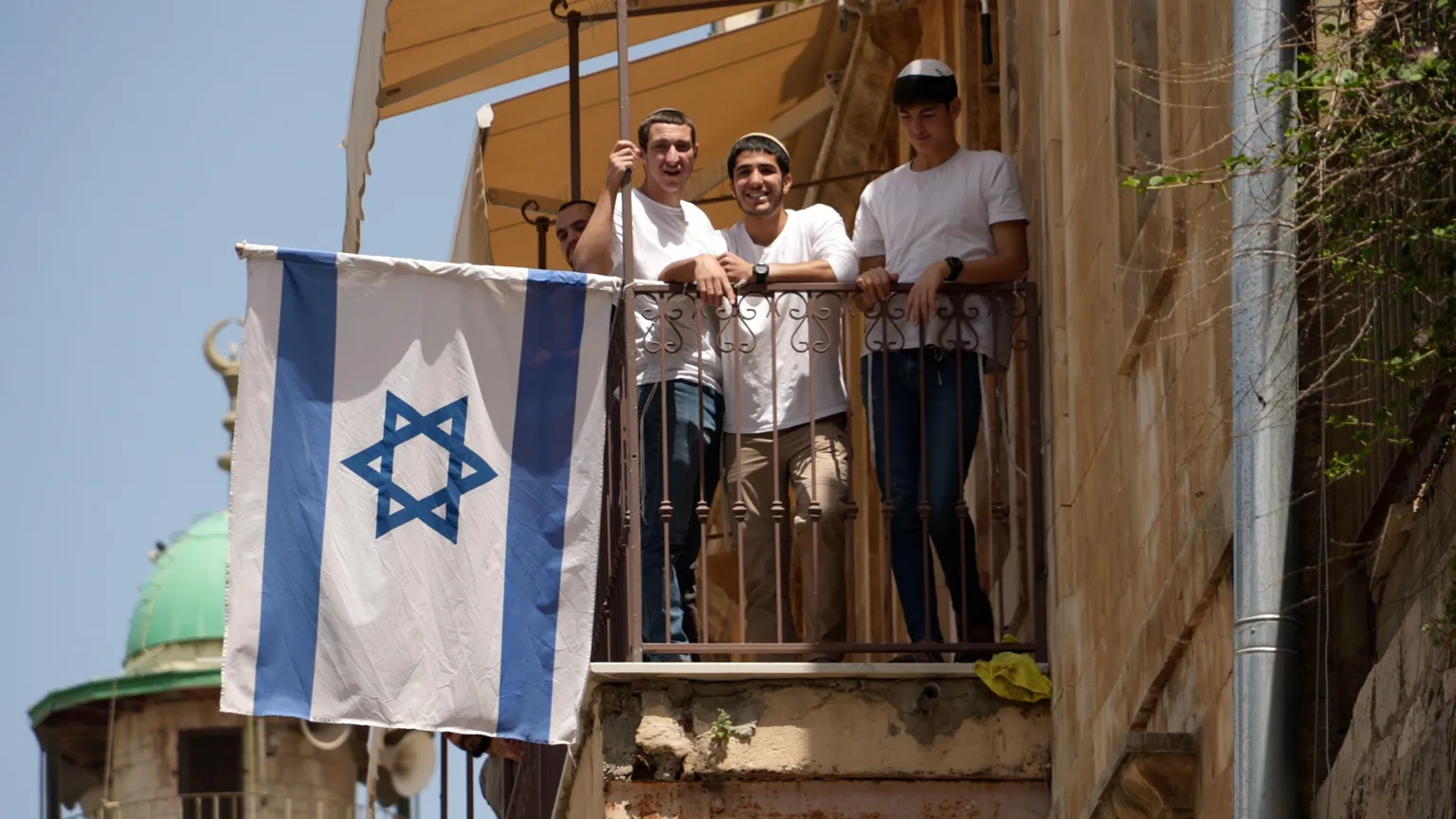
“There is a focus on emphasising a Jewish historical narrative in the area,” he explains, referring to archaeological and tourism projects linked to the “City of David” site. “More settlers are moving in, and more Palestinians are being pushed out.”
Lives on the edge of eviction
Inside Jerusalem’s Old City, similar fears persist. In one case, the Basha family — descendants of a Muslim caretaker who once protected a historic yeshiva during the British Mandate period — now face eviction from the home they have occupied for decades.
Seventy-six-year-old Mufid Basha sits in a small room filled with memories of his family’s history in the building.
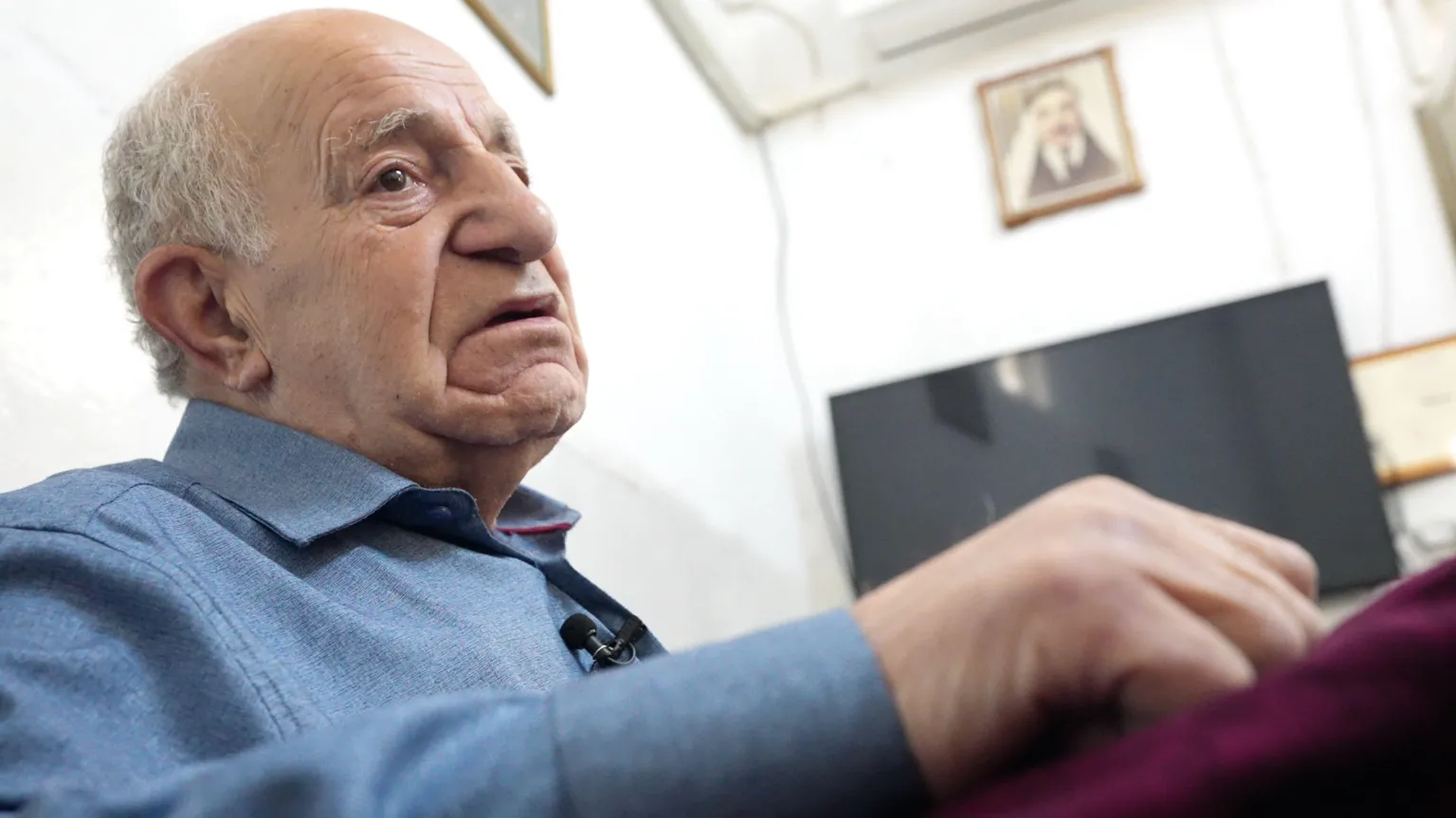
“This is the only home I’ve ever known,” he says. “What will we do? We have nowhere else to go.”
His father, he recalls, was once praised for safeguarding religious texts during turbulent times in 1929. Today, court rulings threaten to remove the remaining family members as part of a long-running property dispute.
“Unsafe even in their homes”
Rights groups warn that the situation in East Jerusalem is becoming increasingly unstable for Palestinians.
Aviv Tatarsky, a researcher at Ir Amim, says the combination of planning policies, legal mechanisms and settlement expansion is reshaping the city’s demographic reality.
“Today, Palestinians in Jerusalem know that they are unsafe, even in their homes,” he says. “There is a push to create a reality that limits Palestinian presence in the city.”
In recent weeks, Israeli planners have also approved new controversial construction projects, including an ultra-Orthodox yeshiva in East Jerusalem, while government-linked teams examine additional property measures in the Old City.
The European Union has described the situation in Silwan as “dire”, reiterating its opposition to settlement activity and forced displacement.
A fragile future
Back in al-Bustan, international diplomats recently toured the area as residents appealed for greater global intervention.
Among those they met was 97-year-old Yusra Qweider, bedridden and unable to leave her home. She has already been displaced multiple times since 1948.
Now facing yet another eviction order, she speaks softly but firmly.
“They want to kick us out of here,” she says. “I am sick and I cannot walk. We are counting on God.”
Around her, the noise of demolition continues — a sound that residents say has become the soundtrack of their daily lives.
For many in Silwan, the question is no longer just about housing, but survival in a city where history, religion and politics collide — and where, they fear, their presence is being slowly dismantled along with their homes.
We welcome your contributions! Submit your blogs, opinion pieces, press releases, news story pitches, and news features to [email protected] and [email protected]