Summary
- Three US strikes have targeted infrastructure in Iran’s southern Hormozgan province, according to Iranian media, as the military escalation between Washington and Tehran continues unabated.
- The US strikes have targeted bridges, power facilities, and other infrastructure in Iran, with Iranian media reporting that several missiles struck power facilities and desalination pumps in the southern city of Jask, leaving some 10,000 people in 20 villages without water.
- The US strikes on Hormozgan province come as Iran has launched attacks on US Gulf allies, including Kuwait, Saudi Arabia, Bahrain, and Jordan.
Three US strikes have targeted infrastructure in Iran’s southern Hormozgan province, according to Iranian media, as the military escalation between Washington and Tehran continues unabated. The strikes come after a seventh straight night of US attacks on Iranian military targets, following the collapse of the ceasefire last week.
The US strikes have targeted bridges, power facilities, and other infrastructure in Iran, with Iranian media reporting that several missiles struck power facilities and desalination pumps in the southern city of Jask, leaving some 10,000 people in 20 villages without water. Iran’s Health Ministry has said that 50 people have been killed and more than 500 injured in US strikes over the past three weeks.
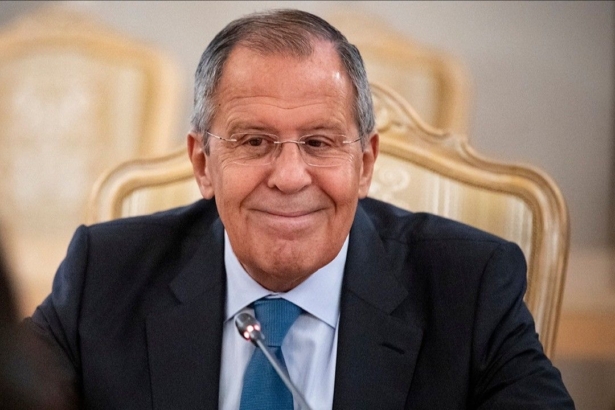
Meanwhile, Russia’s Foreign Minister Sergey Lavrov has spoken by phone with his Emirati counterpart, Abdullah bin Zayed Al Nahyan, to discuss the situation in the Gulf. The Russian foreign ministry said both officials stressed the need for an immediate ceasefire between the US and Iran and a return to negotiations. The call reflects growing international concern over the escalating conflict, with Russia positioning itself as a potential mediator.
The US strikes on Hormozgan province come as Iran has launched attacks on US Gulf allies, including Kuwait, Saudi Arabia, Bahrain, and Jordan. The Islamic Revolutionary Guard Corps has warned US allies in the region to expect more strikes, stating that “whoever attacks you, attack them in the same manner.” Iran’s IRGC has claimed responsibility for attacks on US bases in Kuwait and Jordan, and for targeting Saudi Arabia for the first time in about a month.
Oil prices have risen sharply amid the escalation, adding to political pressure on President Donald Trump as his Republican Party tries to hold on to power in November congressional elections. The international community has urged restraint, with the UN warning of catastrophic consequences if the violence continues. However, with both sides trading military strikes and threats, the prospects for de-escalation appear increasingly uncertain.
The US has said it is enforcing a naval blockade in the Strait of Hormuz, while Iran has targeted vessels that violated its rules on navigating the vital waterway. The conflict has raised fears of a return to all-out war, with devastating consequences for the region and the global economy. As the violence continues, the call for an immediate ceasefire from Russia and the UAE highlights the growing urgency for diplomatic intervention to prevent a wider conflict. The coming days will be critical in determining whether international pressure can bring both sides back to the negotiating table.
We welcome your contributions! Submit your blogs, opinion pieces, press releases, news story pitches, and news features to opinion@minutemirror.com.pk and minutemirrormail@gmail.com