Summary
- Individuals with severe thalassemia require regular blood transfusions every three to four weeks to survive.
- KTCC is one of the largest thalassemia care centers in Balochistan, providing free blood transfusions, diagnostic testing, and regular medical monitoring to patients.
- KTCC actively advocates for regular blood donation campaigns to assist individuals and children suffering from thalassemia, striving to prevent tragic shortages.
By Shaynaz Khourshed
Thalassemia is an inherited blood disorder characterized by abnormal hemoglobin production. Hemoglobin is the protein in red blood cells responsible for carrying oxygen throughout the body. Because the body cannot produce healthy hemoglobin normally, red blood cells are destroyed prematurely.
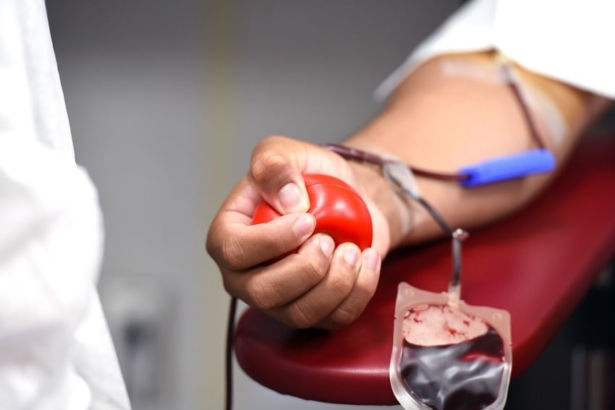
This condition manifests through several severe symptoms, including chronic fatigue, weakness, yellowish skin (jaundice), slow growth in children, and long-term bone complications. Individuals with severe thalassemia require regular blood transfusions every three to four weeks to survive.
The Ground Reality in Turbat: Kech Thalassemia Care Center (KTCC)
In Turbat, Balochistan, thalassemia poses a profound public health challenge. According to local research, nearly 12\% of the local population is affected by thalassemia, making it a critical regional issue.
To combat this crisis, the Kech Thalassemia Care Center (KTCC) was established in Turbat by social activist Irshad Arif on October 18, 2019. KTCC is one of the largest thalassemia care centers in Balochistan, providing free blood transfusions, diagnostic testing, and regular medical monitoring to patients. Currently, KTCC registers over 500 patients.
Before KTCC’s establishment in 2019, families faced immense hardship, traveling all the way to Karachi and spending between Rs. 70,000 to Rs. 80,000 per month just for treatment and transit. Given that approximately 80\% of these families belong to underprivileged backgrounds and cannot afford expensive iron chelation therapy, KTCC has become a vital lifeline for poor households across the region.
Urgent Challenges: The Growing Blood Shortage
Despite its monumental impact, KTCC faces severe operational hurdles—most notably, an ongoing and critical blood shortage.
With 3 to 5 new thalassemia cases diagnosed every month, the demand for fresh blood donations is exceptionally high. Currently, KTCC’s volunteer network consists of 300 members (200 male and 100 female). However, due to limited resources, high costs associated with iron chelation medicine, and a constant need for fresh blood donations, the center faces significant daily challenges.
In an urban hub like Turbat, maintaining an uninterrupted blood supply for all blood types is crucial. KTCC actively advocates for regular blood donation campaigns to assist individuals and children suffering from thalassemia, striving to prevent tragic shortages.
A Call to Action
Thalassemia patients require continuous, lifelong blood transfusions to stay alive. Every healthy person between the ages of 18 and 60 has the power to save a life by donating blood once every three months. Your small contribution can make a world of difference for children and families battling this relentless disease.
Let us unite to support KTCC and ensure that no child in Turbat goes without the blood they need to survive.
We welcome your contributions! Submit your blogs, opinion pieces, press releases, news story pitches, and news features to opinion@minutemirror.com.pk and minutemirrormail@gmail.com