Summary
- Consequently, the size of the federal Public Sector Development Programme (PSDP) has been brought down to around Rs1 trillion, keeping it broadly in line with allocations made during the current fiscal year.
- Under the understanding reached between the ruling Pakistan Muslim League-Nawaz (PML-N) and the PPP, the provinces are expected to provide more than Rs1.2 trillion to the federal government in the form of grants and fiscal support.
- Sources indicated that these funds would be returned to the provinces over the coming years under a mutually agreed financial framework, helping the federal government meet short-term fiscal requirements while preserving provincial development priorities.
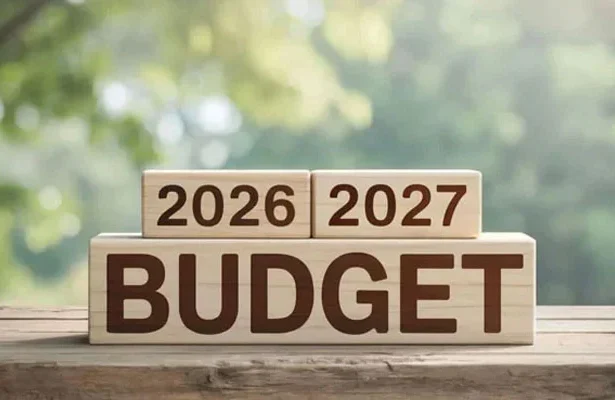
Islamabad: The uncertainty surrounding the presentation of the federal budget has come to an end after successful negotiations between the government and the Pakistan Peoples Party (PPP). Following a series of discussions led by Deputy Prime Minister and Foreign Minister Ishaq Dar, both sides have reportedly reached an understanding on major financial and fiscal matters, paving the way for the federal budget to be presented in the National Assembly on June 12.
According to informed sources, the talks focused on resolving differences over fiscal arrangements, development spending, and resource-sharing mechanisms between the federation and provinces. As a result of the negotiations, consensus was achieved on several critical issues that had delayed the budget process.
One of the key decisions taken during the discussions was to maintain the existing formula of the National Finance Commission (NFC) Award. Sources said there will be no changes to the current revenue-sharing mechanism between the federal government and the provinces, a demand that had been strongly supported by provincial stakeholders.
In preparation for the upcoming budget, the federal government has already reduced development expenditures by approximately Rs126 billion. Consequently, the size of the federal Public Sector Development Programme (PSDP) has been brought down to around Rs1 trillion, keeping it broadly in line with allocations made during the current fiscal year.
Sources further revealed that the government has decided to place a temporary restriction on launching new development schemes. However, projects related to the Ministries of Defence and Interior will remain exempt from the ban due to their strategic and security significance.
The provinces have also agreed to support the federal government’s fiscal consolidation efforts. Punjab, Sindh, and Khyber Pakhtunkhwa have reportedly committed to keeping their development expenditures at existing levels rather than expanding spending in the next fiscal year. Punjab, which had initially proposed a development budget of Rs1.45 trillion, may reduce its allocation by more than Rs150 billion as part of the broader agreement.
Officials said the federal government may later expand its development programme if additional financial resources become available through provincial support and improved revenue collection.
Under the understanding reached between the ruling Pakistan Muslim League-Nawaz (PML-N) and the PPP, the provinces are expected to provide more than Rs1.2 trillion to the federal government in the form of grants and fiscal support. According to the proposed arrangement, Punjab will contribute approximately Rs520 billion, Sindh Rs310 billion, Khyber Pakhtunkhwa Rs180 billion, and Balochistan more than Rs85 billion.
Sources indicated that these funds would be returned to the provinces over the coming years under a mutually agreed financial framework, helping the federal government meet short-term fiscal requirements while preserving provincial development priorities.
Meanwhile, revenue generation remains a central focus of the upcoming budget. The Federal Board of Revenue’s tax collection target for the current fiscal year stands at Rs13.05 trillion. For the next fiscal year, the government is expected to set an ambitious tax target of around Rs15.264 trillion as it seeks to strengthen public finances, meet economic reform commitments, and reduce the budget deficit.
We welcome your contributions! Submit your blogs, opinion pieces, press releases, news story pitches, and news features to [email protected] and [email protected]