Summary
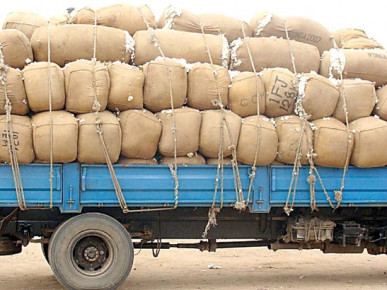
- Cotton arrivals across Pakistan reached 1.696 million bales by the end of August, up 27% from the 1.336 million bales recorded during the same period last year, according to data released by the Pakistan Cotton Ginners Association (PCGA).
- Sindh remained the larger contributor, with 1.139 million bales compared with 870,062 last season, marking an increase of around 31%.
- Cotton arrivals also accelerated during the latest fortnight, reaching 582,938 bales compared with 448,231 bales during the same period last year, showing an increase of about 30%.
Cotton arrivals across Pakistan reached 1.696 million bales by the end of August, up 27% from the 1.336 million bales recorded during the same period last year, according to data released by the Pakistan Cotton Ginners Association (PCGA).
Farmers supplied 360,819 more bales this season compared with last year. Punjab recorded 557,097 bales, up nearly 20% from 465,570 bales a year earlier. Sindh remained the larger contributor, with 1.139 million bales compared with 870,062 last season, marking an increase of around 31%.
The country currently has 332 operational ginning factories, which hold 158,569 bales in total. Of these, 45,112 are pressed bales, while 113,457 remain in raw form.
Textile mills have emerged as the main buyers, purchasing 1.465 million bales, or about 86% of total arrivals. Exporters and traders bought the remaining 73,000 bales.
Cotton arrivals also accelerated during the latest fortnight, reaching 582,938 bales compared with 448,231 bales during the same period last year, showing an increase of about 30%.
Southern Punjab recorded notable gains. Dera Ghazi Khan reported 110,102 bales, up 59% year-on-year, while Bahawalnagar reached 66,331 bales, an 83% increase. Bahawalpur contributed 66,326 bales and Vehari 85,172 bales.
In Sindh, Sanghar continued to lead the country with 757,845 bales, around 23% higher than last year. Hyderabad recorded 75,085 bales, followed by Nawabshah with 47,300 and Mirpurkhas with 39,135 bales.
The PCGA said the overall crop outlook remains better than last year, although unregistered cotton could add to the actual volume. Rainfall slowed harvesting in parts of Sindh by delaying crop maturity and picking. Officials expect arrivals to increase as warmer and drier weather returns.
Farmers in both provinces have reported generally favourable crop conditions, although pink bollworm has appeared in some areas. Experts have urged growers to monitor fields closely and take timely measures against pests.
The Central Cotton Research Institute (CCRI), Multan, has also issued September recommendations, calling for regular crop inspections and early pest management. Under favourable weather conditions, the institute expects Punjab to produce an average of 1.25 to 1.5 bales per acre, while Sindh could reach about 2.5 bales per acre.
We welcome your contributions! Submit your blogs, opinion pieces, press releases, news story pitches, and news features to opinion@minutemirror.com.pk and minutemirrormail@gmail.com