Summary
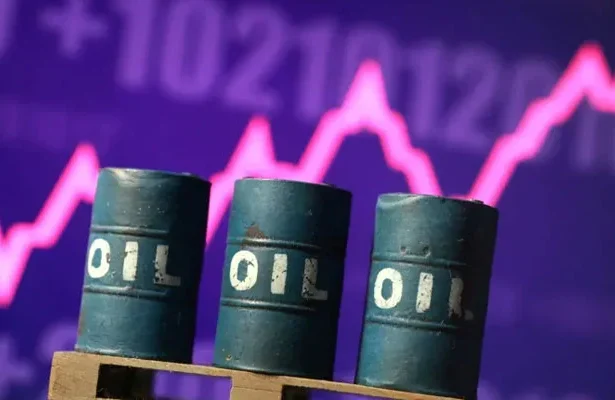
- LONDON: Crude oil prices increased in global markets, with Brent crude rising above $103 per barrel amid renewed uncertainty over the outlook for US sanctions on Iran.
- Market analysts attributed the latest increase in oil prices largely to remarks concerning US sanctions on Iran.
- Brent crude is widely used as a benchmark for international oil prices, while WTI is a major benchmark for the US market.
LONDON: Crude oil prices increased in global markets, with Brent crude rising above $103 per barrel amid renewed uncertainty over the outlook for US sanctions on Iran.
Brent crude futures increased by $1.14, or 1.11%, bringing the price to $103.73 per barrel. The rise came as market participants assessed developments surrounding US policy toward Iran and their potential impact on global oil supplies.
US West Texas Intermediate (WTI) crude also recorded an increase. WTI prices rose by 34 cents, or 0.38%, to reach $89.72 per barrel.
Market analysts attributed the latest increase in oil prices largely to remarks concerning US sanctions on Iran. The rise followed US President Donald Trump’s denial that his administration was prepared to ease sanctions imposed on Tehran.
Iran remains an important player in the global energy market, and any significant change in sanctions could affect expectations regarding the country’s ability to export crude oil. As a result, developments related to US-Iran policy continue to influence market sentiment and price movements.
The latest increase has also placed Brent crude on course for a significant monthly gain. Brent prices are expected to rise by around 14% during the current month, which would represent their largest monthly increase since July.
WTI crude, meanwhile, is expected to record an increase of approximately 4% during the month.
The oil market has remained sensitive to geopolitical developments, with traders closely monitoring announcements that could affect global supply, exports and shipping routes. Changes in sanctions policy are particularly significant because they can influence the volume of Iranian crude entering international markets.
The rise in benchmark crude prices could also have wider economic implications, particularly for countries that rely heavily on imported petroleum products. Higher international oil prices can increase the cost of importing crude and refined petroleum products, potentially putting pressure on transportation, manufacturing and other sectors.
For consumers, sustained increases in international oil prices can eventually affect domestic fuel prices, depending on exchange rates, taxes, government pricing policies and other factors. Higher fuel costs can also contribute to increased transportation and production expenses across economies.
Brent crude is widely used as a benchmark for international oil prices, while WTI is a major benchmark for the US market. Movements in both benchmarks are closely watched by governments, energy companies, investors and financial markets.
Investors are now expected to continue monitoring US policy toward Iran, developments in the Middle East and broader supply-demand conditions for indications of where oil prices could move next.
The latest price movements underline the continued sensitivity of global energy markets to geopolitical developments. With Brent crude already moving above the $103-per-barrel level, further changes in sanctions policy or expectations surrounding Iranian oil exports could remain an important factor for the market in the coming weeks.
We welcome your contributions! Submit your blogs, opinion pieces, press releases, news story pitches, and news features to opinion@minutemirror.com.pk and minutemirrormail@gmail.com