Summary
- A French mountaineer lost his life after an avalanche struck an international climbing team during an expedition on K-6 peak in Gilgit-Baltistan’s Ghanche district.
- According to local tour operators, the team was climbing at an altitude of nearly 5,000 metres when a snow avalanche hit the route.
- Applications for climbing and trekking permits have already exceeded last year’s numbers, reflecting growing international confidence in Pakistan’s mountain tourism sector despite regional uncertainties and economic concerns.
A French mountaineer lost his life after an avalanche struck an international climbing team during an expedition on K-6 peak in Gilgit-Baltistan’s Ghanche district.
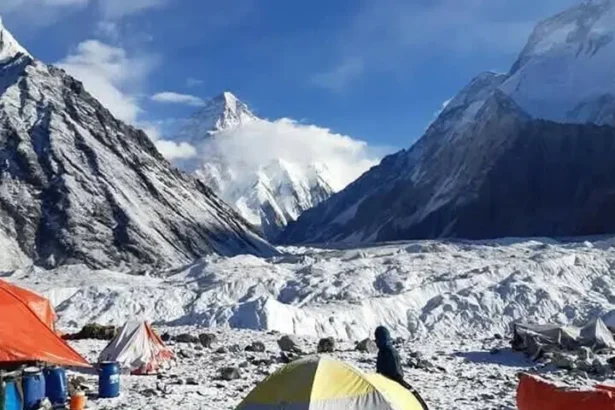
The deceased climber, 41-year-old Guillaume Pierrel, was part of a three-member team that included fellow French national Boris Jule and Swiss climber Christina Maria. The group had begun their expedition on June 6 with the aim of summiting the 7,282-metre-high K-6 mountain located in the Hushe Valley.
According to local tour operators, the team was climbing at an altitude of nearly 5,000 metres when a snow avalanche hit the route. Guillaume Pierrel died at the scene, while the other two climbers escaped unharmed.
The surviving climbers used satellite communication equipment to inform relatives in France about the incident, who later contacted local authorities and tour operators in Pakistan.
Following the report, a rescue and recovery mission involving local police and volunteers was launched to recover the body from the remote mountain area.
Pakistan’s northern mountain ranges attract thousands of climbers and adventure tourists every year due to their world-famous peaks and challenging terrain. However, unpredictable weather, avalanches and difficult climbing conditions continue to pose serious risks to mountaineers.
Gilgit-Baltistan is home to some of the world’s highest mountains, including K2, Nanga Parbat, Broad Peak and the Gasherbrum peaks, making the region one of the leading destinations for high-altitude expeditions.
Officials say the climbing season in the region usually runs from June to mid-August and interest from foreign adventurers remains strong this year. Applications for climbing and trekking permits have already exceeded last year’s numbers, reflecting growing international confidence in Pakistan’s mountain tourism sector despite regional uncertainties and economic concerns.
We welcome your contributions! Submit your blogs, opinion pieces, press releases, news story pitches, and news features to opinion@minutemirror.com.pk and minutemirrormail@gmail.com