Summary
- Such floods occur when water from melting glaciers accumulates behind natural barriers.
- Faster glacier melting can destabilise surrounding rocks and increase pressure on natural barriers holding back glacial lakes.
- According to Wignaraja, tectonic activity can further increase the possibility of sudden glacier collapses and failures of natural lake barriers.
The Himalayan region could face increasingly severe glacial floods in the coming years as rising temperatures accelerate glacier melt, a senior United Nations official has warned.
Kanni Wignaraja, an assistant secretary-general at the UN and regional director for Asia and the Pacific at the United Nations Development Programme (UNDP), said millions of people living along major river systems could be exposed to the growing danger.
She warned that future floods could threaten homes, power projects, water supplies and other critical infrastructure across the mountainous region.
Researchers identified 47 potentially dangerous glacial lakes in Nepal, China and India in 2020. UN officials now believe the number has increased significantly as glaciers continue to shrink and melt.
The warning comes after a devastating flood in Nepal claimed more than 1,000 lives. The disaster was triggered when part of a glacier near Langtang Lirung mountain collapsed, causing a landslide and sending a powerful surge of water down the Trishuli River.
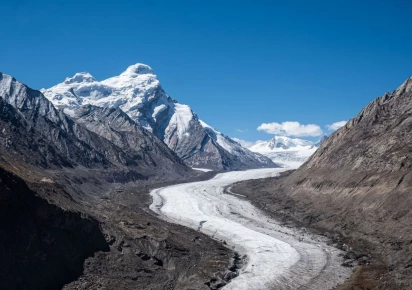
Glacial lake outburst floods pose another major threat. Such floods occur when water from melting glaciers accumulates behind natural barriers. As pressure increases, the barriers can break or overflow, releasing huge volumes of water downstream within a short period.
UN officials say both types of disasters are becoming more likely because of climate change. Faster glacier melting can destabilise surrounding rocks and increase pressure on natural barriers holding back glacial lakes.
The Himalayan region also has relatively young and unstable mountain formations. According to Wignaraja, tectonic activity can further increase the possibility of sudden glacier collapses and failures of natural lake barriers.
Nepal is considered particularly vulnerable because of its heavy dependence on glaciers for water and economic activity. Communities living near rivers face difficult choices because relocating to safer, higher areas may be financially impossible for many families.
The threat extends beyond residential areas. Hydropower facilities, electricity networks, roads and other essential infrastructure are also at risk.
The recent disaster reportedly damaged major power projects. UNDP said 15 large power stations under construction were affected, in addition to damage involving existing facilities.
Wignaraja said improved technology could help strengthen hydropower plants and electricity networks against flooding. However, she cautioned that extremely powerful glacier-related floods could overwhelm even advanced protective structures.
We welcome your contributions! Submit your blogs, opinion pieces, press releases, news story pitches, and news features to opinion@minutemirror.com.pk and minutemirrormail@gmail.com