Summary
- Iran says talks remain possible Iran’s Islamic Revolution Guards Corps (IRGC) has also indicated that Tehran remains open to negotiations while maintaining military preparedness.
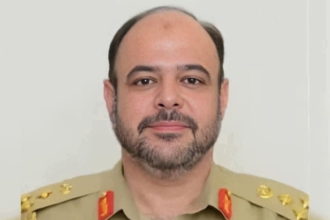
- IRGC spokesperson Brigadier General Hossein Mohebbi described negotiations as another form of confrontation, saying diplomatic talks involve arguments and political pressure rather than military action.
- Mohebbi said decisions regarding war and negotiations were made within Iran’s political system and were not determined by the IRGC alone.
Iran has reportedly offered to reopen the Strait of Hormuz within seven days if the United States takes initial steps to reduce military pressure on Tehran.
An unnamed Iranian official told Japan’s Kyodo News on Tuesday that the proposal had already been communicated to Washington through mediators. The offer reportedly includes renewed negotiations aimed at reaching a lasting end to hostilities between Iran and the United States.
The official said there was a possibility of reaching an agreement but stressed that Washington would need to demonstrate seriousness and commitment for diplomacy to move forward.
However, the official ruled out a meeting between Iranian President Masoud Pezeshkian and US President Donald Trump on the sidelines of the 81st session of the United Nations General Assembly in New York this week.
The report has not been independently verified.
Pezeshkian calls for an end to wars
President Pezeshkian said the UN General Assembly should help restore international trust and contribute to ending wars and bloodshed.
Speaking to reporters before leaving for New York, he said Iran would use the international forum to highlight what he described as the suffering of Iranian children in Minab and Lamerd.
Pezeshkian also expressed hope that the international community would recognise the situation unfolding across the region and work toward greater accountability and peace.
Saudi Arabia resumes oil pipeline operations
Meanwhile, Saudi Arabia has restarted operations on its East-West oil pipeline and could resume crude exports from the Red Sea port of Yanbu, according to sources familiar with the development.
Two sources said the pipeline was initially operating at a low rate. Saudi Aramco had not immediately commented on the reports.
Operations were halted after drone attacks on September 13, which disrupted crude shipments from Yanbu.
Iran says talks remain possible
Iran’s Islamic Revolution Guards Corps (IRGC) has also indicated that Tehran remains open to negotiations while maintaining military preparedness.
IRGC spokesperson Brigadier General Hossein Mohebbi described negotiations as another form of confrontation, saying diplomatic talks involve arguments and political pressure rather than military action.
He said Iran’s armed forces were prepared for a prolonged conflict but stressed that military readiness did not mean diplomacy had been rejected.
Mohebbi said decisions regarding war and negotiations were made within Iran’s political system and were not determined by the IRGC alone.
He added that Tehran’s approach would depend on national interests. If those interests required military action, Iran would fight, while diplomacy could also be pursued when considered necessary.
Iranian Navy Commander Rear Admiral Shahram Irani separately warned that any aggression against Iran’s national interests would receive what he called a firm and decisive response.
We welcome your contributions! Submit your blogs, opinion pieces, press releases, news story pitches, and news features to opinion@minutemirror.com.pk and minutemirrormail@gmail.com