Summary
- The debate centred on the scale of defence spending and the government’s strategy for financing the long-term military investment programme.
- The government’s defence strategy aims to increase military spending from 2.6 percent of gross domestic product in 2027 to 2.7 percent by 2030, taking annual defence expenditure to nearly £80 billion.
- Starmer told lawmakers that the investment plan would place the United Kingdom on a path toward spending 3 percent of GDP on defence during the next parliamentary term.
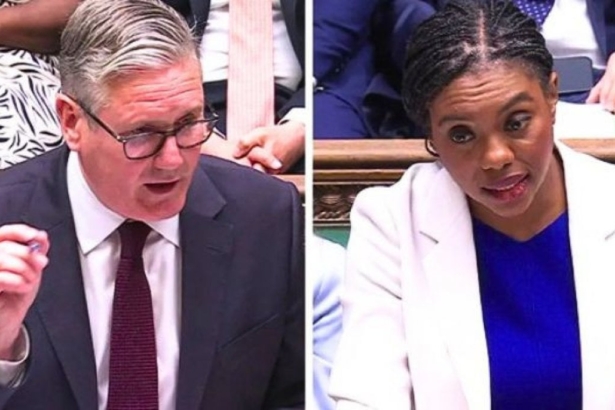
A sharp exchange unfolded in the British Parliament on Wednesday as Conservative leader Kemi Badenoch challenged Prime Minister Keir Starmer over the government’s ambitious £298 billion Defence Investment Plan during Prime Minister’s Questions (PMQs).
The debate centred on the scale of defence spending and the government’s strategy for financing the long-term military investment programme.
Defending the plan, Starmer described it as the largest increase in defence funding in four decades and argued that the initiative was necessary to strengthen Britain’s military capabilities in an increasingly uncertain global security environment.
The prime minister accused previous Conservative governments of weakening the country’s armed forces through years of underinvestment and austerity measures.
Badenoch, however, questioned the financial sustainability of the proposal and pressed the government on how it intended to bridge future funding gaps.
She argued that resources for the defence expansion should come from reductions in welfare expenditure rather than additional borrowing or cuts to infrastructure projects.
The Conservative leader also raised concerns about the financial burden that could be passed on to future governments, particularly if further spending commitments emerge in coming years.
The government’s defence strategy aims to increase military spending from 2.6 percent of gross domestic product in 2027 to 2.7 percent by 2030, taking annual defence expenditure to nearly £80 billion.
Starmer told lawmakers that the investment plan would place the United Kingdom on a path toward spending 3 percent of GDP on defence during the next parliamentary term.
However, the target still falls short of NATO’s longer-term goal of member states spending 3.5 percent of GDP on defence by 2035.
The announcement has triggered debate within political circles, with some lawmakers expressing concerns over the impact of the spending increase on transport projects and other domestic priorities.
Critics argue that difficult choices over public spending could create pressure on future budgets and force governments to reconsider funding allocations across multiple sectors.
The parliamentary exchange highlighted widening differences between the Labour government and the Conservative opposition over defence priorities and the broader direction of economic policy.
While the government views increased military spending as essential for national security, opponents continue to question whether the country can sustain such commitments without affecting welfare programmes, infrastructure development and other public services.
We welcome your contributions! Submit your blogs, opinion pieces, press releases, news story pitches, and news features to opinion@minutemirror.com.pk and minutemirrormail@gmail.com