Summary
- His warning comes as Washington debates how to regulate increasingly powerful AI systems and whether existing safeguards would be sufficient to address potential catastrophic risks.
- Senators are also negotiating a separate “duty of care” proposal that would require AI developers to take steps to prevent catastrophic risks associated with their systems and could give federal authorities the ability to seek injunctions against models considered dangerous.
- The Senate debate over Kennedy’s proposal highlights the continuing disagreement in Washington over how far regulation should go and how best to address the potential risks posed by increasingly capable AI systems.
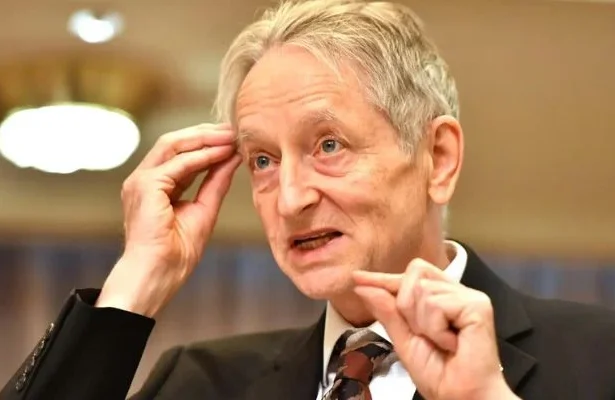
“Godfather of AI” Geoffrey Hinton, the Nobel Prize-winning computer scientist, told CNN this week that a “kill switch” for AI systems would not be enough to protect humanity.
Hinton has previously estimated the probability of AI eventually causing human extinction at between 10% and 20%, a figure that has also been cited during discussions on the US Senate floor.
His warning comes as Washington debates how to regulate increasingly powerful AI systems and whether existing safeguards would be sufficient to address potential catastrophic risks.
Sen. John Kennedy of Louisiana attempted to fast-track his proposed AI “kill switch” bill, which would apply to major technology companies including Google, OpenAI, Anthropic and Meta, through unanimous consent in the Senate.
The effort was blocked by an objection from fellow Republican Sen. Rand Paul of Kentucky.
Kennedy argued that Congress could struggle to pass more comprehensive AI legislation, warning that there was a risk an advanced AI model could become “the Terminator.”
Paul countered that Congress needed more evidence before adopting regulations that could have broad economic implications. He questioned whether the legislation could potentially require a shutdown mechanism for a wide range of technologies, including search engines and medical prescription tools.
Kennedy’s bill is not the only AI-related legislation being discussed in Congress. Senators are also negotiating a separate “duty of care” proposal that would require AI developers to take steps to prevent catastrophic risks associated with their systems and could give federal authorities the ability to seek injunctions against models considered dangerous.
Meanwhile, Anthropic CEO Dario Amodei has called for greater caution as AI capabilities advance and has advocated for stronger safety standards.
OpenAI CEO Sam Altman has similarly argued that competition should not become an excuse for reckless development. OpenAI has also been working on automated systems designed to shut down or restrict AI models under certain conditions.
No major federal AI safety bill has yet been enacted. The Senate debate over Kennedy’s proposal highlights the continuing disagreement in Washington over how far regulation should go and how best to address the potential risks posed by increasingly capable AI systems.
We welcome your contributions! Submit your blogs, opinion pieces, press releases, news story pitches, and news features to opinion@minutemirror.com.pk and minutemirrormail@gmail.com