Summary
- On September 18, 2026, an attack struck the mosque inside the Old Police Lines in Kohat during Friday prayers.
- The mosque inside the Police Lines was a place where police personnel and their families gathered for prayers.
- The victims included police personnel and civilians who had gathered for Friday prayers.
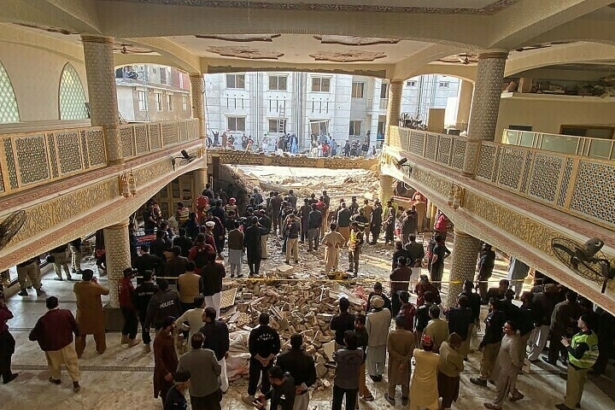
On September 18, 2026, an attack struck the mosque inside the Old Police Lines in Kohat during Friday prayers. Officials said an explosive-laden vehicle was used in the assault, followed by an attempt by armed attackers to enter the Police Lines. The blast severely damaged the mosque and caused casualties among worshippers and police personnel.
By evening, funeral prayers were held for the victims, with a police contingent presenting a formal salute and senior officials laying floral wreaths.
The official language of such occasions is often brief: funeral prayers offered, tributes paid, bodies sent to native areas. Behind those words, however, are families dealing with an irreversible loss.
A sensitive target
Kohat has long been regarded as a strategically important district in Khyber Pakhtunkhwa because of its proximity to several areas affected by militancy. The city also hosts important police formations, including the Counter-Terrorism Department and Special Branch.
The mosque inside the Police Lines was a place where police personnel and their families gathered for prayers. Targeting a place of worship during Juma therefore raises serious questions about security arrangements around police installations.
IGP Khyber Pakhtunkhwa Zulfiqar Hameed condemned the attack and said the perpetrators would be pursued and their network traced.
Five questions that require answers
First, how did the vehicle reach the Police Lines? Investigators will need to establish where the vehicle came from, where the explosives were prepared and whether anyone helped the attackers reach the site.
Second, what was the objective of the assault on the Special Branch area? Authorities have reported that the attack continued after the initial explosion. Forensic and intelligence investigations should establish whether specific buildings or personnel were deliberately targeted.
Third, who was responsible? Conflicting claims about responsibility emerged after the attack. Such claims require independent verification before any group can be conclusively held responsible.
Fourth, were security arrangements adequate? The ability of an explosive-laden vehicle to reach a sensitive police installation raises questions about entry controls, surveillance, barriers and intelligence sharing.
Fifth, who provided logistical support? Identifying facilitators is often as important as identifying the attackers themselves. Investigators will need to examine accommodation, transport, communications and the movement of the attackers before the assault.
Behind the casualty figures
The reported death toll was at least 16, with dozens more injured. The victims included police personnel and civilians who had gathered for Friday prayers.
Among the dead were members of the police force who served in frontline roles, while a child was also reported among the casualties. Many of the injured were worshippers, some requiring treatment at hospitals outside Kohat.
These figures represent families, colleagues and communities rather than statistics. Rescue workers, medical staff and police personnel worked to recover victims and treat the injured after the blast.
What happens next?
The attack should prompt a detailed review of security around police installations and mosques, particularly during periods when large numbers of people gather.
Authorities will need to establish the source of the explosives, reconstruct the attackers’ movements, examine forensic evidence and identify any facilitators. The effectiveness of these investigations will ultimately depend on evidence rather than statements or claims of responsibility.
At the funeral, police officers stood in formation and saluted their fallen colleagues. It was a formal tribute, but also a reminder of the human cost of terrorism.
For the families of those killed, the real measure of accountability will not be another statement or ceremony. It will be whether those responsible are identified through evidence, prosecuted according to law, and whether security weaknesses exposed by the attack are addressed.
Kohat’s Juma became a Janaza. The responsibility now is to ensure that the lessons of that tragedy do not disappear after the funeral.
Disclaimer: Details concerning responsibility, facilitators and security failures remain subject to investigation. All accused persons are presumed innocent unless proven guilty in accordance with law.
We welcome your contributions! Submit your blogs, opinion pieces, press releases, news story pitches, and news features to opinion@minutemirror.com.pk and minutemirrormail@gmail.com