Summary
- LAHORE: Punjab’s proposed changes to terrorism trial procedures have drawn attention to the balance between security requirements judicial independence and defendants’ constitutional protections.
- The controversy comes as Punjab Assembly Speaker Malik Muhammad Ahmad Khan addressed a seminar in Lahore focusing on Pakistan’s security challenges and the military’s role in counterterrorism efforts.
- The speaker rejected the proposed changes citing constitutional jurisdiction, committee deliberations and concerns about judicial security.
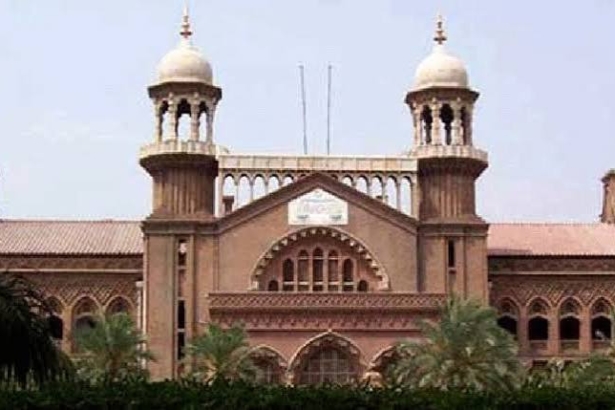
LAHORE: Punjab’s proposed changes to terrorism trial procedures have drawn attention to the balance between security requirements judicial independence and defendants’ constitutional protections. The Anti-Terrorism (Punjab Amendment) Bill 2026 has become the subject of debate in the provincial assembly and legal proceedings before the Lahore High Court.
Speaker calls for responsible debate on national security
Speaking at an event titled “Pakistan’s Rising Terrorism: Role and Importance of Pak Army” Khan highlighted the human cost of militant violence and urged political leaders to approach discussions about national security responsibly.
He referred to the deaths of civilians, including children, students and worshippers, and said victims of terrorism should not become subjects of political point-scoring. He also accused India’s intelligence agency RAW of supporting terrorist activity in Pakistan and expressed solidarity with the armed forces.
These remarks formed part of a wider discussion about the country’s security situation and the responsibilities of political institutions.
Proposed rules for sensitive terrorism cases
A central point of dispute concerns Section 21AAA of the proposed legislation. According to the supplied report, the provision would allow designated terrorism cases to be handled under special security arrangements following a prescribed consultation process.
The proposed framework reportedly includes restrictions on disclosing the identities of judges witnesses and defence lawyers. It could also permit hearings at undisclosed locations or through video links from prisons. Access to court records would be restricted under the described procedure.
These provisions have raised questions about whether defendants would receive sufficient information to challenge evidence identify potential conflicts of interest and exercise their right to a fair hearing under Article 10-A of Pakistan’s Constitution.
High Court proceedings add to legal debate
The report states that Advocate Yousaf Wain challenged the proposed arrangements arguing that concealing the identities of judicial officers could undermine fair-trial protections.
On September 9, 2026 Justice Muhammad Amjad Pervaiz reportedly withdrew from the proceedings because he had served as Punjab’s advocate general when the draft legislation was prepared. The matter was subsequently referred for the formation of another bench with related petitions brought together.
Assembly disagreement over amendments
During parliamentary deliberations PTI lawmaker Rana Aftab Ahmad Khan reportedly questioned whether provincial legislation could alter the federal Anti-Terrorism Act 1997 in ways affecting fundamental rights.
Opposition members sought greater judicial oversight public hearings and protection for defence counsel from anonymity requirements. The speaker rejected the proposed changes citing constitutional jurisdiction, committee deliberations and concerns about judicial security.
The bill was subsequently passed by a majority according to the supplied account.
The legislation’s constitutional implications will depend on its final text and any judicial determination of its compatibility with fundamental rights. Claims that it establishes an unprecedented system of anonymous trials require verification against existing Pakistani law and relevant court decisions.
We welcome your contributions! Submit your blogs, opinion pieces, press releases, news story pitches, and news features to opinion@minutemirror.com.pk and minutemirrormail@gmail.com