Summary
- The alliance has been described by officials of the three countries as a framework for closer cooperation and a commitment to support their security.
- The public should know what commitments the participating countries have made, how decisions will be taken, what role the General Secretariat will play and how the alliance will respond to security challenges.
- The appointment of a Secretary General and the establishment of the General Secretariat in Riyadh show that the alliance is moving from an agreement towards an organised institutional framework.
September 24, 2026
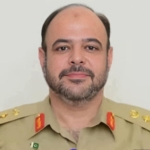
The government has appointed retired Lieutenant General Nauman Mahmood as the first secretary general of the Makkah Defence Alliance, the Foreign Office announced on Wednesday. He will lead the alliance’s General Secretariat, which is being established in Riyadh, Saudi Arabia. The appointment is an important step towards giving the alliance a permanent institutional structure. Pakistan, Saudi Arabia and Türkiye signed the Makkah Joint Defence Agreement on August 7, which was later renamed the Makkah Defence Alliance.
The three countries have already started building the alliance’s structure. An inaugural meeting of the Strategic Political and Defence Committee was held in Istanbul last month. The committee is meant to improve coordination among the three countries on political and defence matters.
The alliance has been described by officials of the three countries as a framework for closer cooperation and a commitment to support their security. They have also said that it is not directed against any particular country.
However, as the alliance moves towards becoming a permanent institution, there is a need for greater clarity about its terms of reference. The agreement’s ToRs should be made public so that people in the three countries, as well as other countries in the region, can clearly understand the purpose, scope and working mechanism of the alliance.
Transparency is particularly important when an agreement involves defence and security. The public should know what commitments the participating countries have made, how decisions will be taken, what role the General Secretariat will play and how the alliance will respond to security challenges.
The appointment of a Secretary General and the establishment of the General Secretariat in Riyadh show that the alliance is moving from an agreement towards an organised institutional framework. This makes it even more important that its basic rules and responsibilities are clearly explained. Any expansion of the alliance should be based on clear rules and mutual understanding.
We welcome your contributions! Submit your blogs, opinion pieces, press releases, news story pitches, and news features to opinion@minutemirror.com.pk and minutemirrormail@gmail.com