Summary
- The IMF team will look closely at how Pakistan’s economy has performed through June and whether the government has kept its promises on reform.
- A big part of the conversation will centre on the energy sector — specifically, the stubborn problem of circular debt in electricity and gas.
- Reforms like fixing circular debt, improving how power and gas companies are run, and tightening public finances are steps that, if done properly, will genuinely help ordinary Pakistanis — more reliable electricity, fewer sudden price shocks, and a more stable economy overall.
September 23, 2026
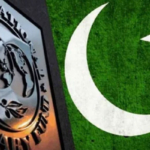
Pakistan and the International Monetary Fund (IMF) are set to sit down this week for a fresh round of talks. This is the fourth review under the country’s 37-month Extended Fund Facility (EFF), and if it goes well, Pakistan could receive up to $1.2 billion — about $1 billion from the regular loan tranche and another $200 million tied to climate financing.
These talks will run for roughly two weeks. The IMF team will look closely at how Pakistan’s economy has performed through June and whether the government has kept its promises on reform. A big part of the conversation will centre on the energy sector — specifically, the stubborn problem of circular debt in electricity and gas. Simply put, this is the pile-up of unpaid bills and losses that keeps utility companies short on cash and forces the government to either raise prices or borrow more.
Pakistan has already received three tranches under this programme — in September 2024, May 2025, and December 2025 — showing the country has stayed broadly on track. That consistency matters and should continue.
To the government: this review is not just about ticking IMF boxes. Reforms like fixing circular debt, improving how power and gas companies are run, and tightening public finances are steps that, if done properly, will genuinely help ordinary Pakistanis — more reliable electricity, fewer sudden price shocks, and a more stable economy overall. The government should treat these reforms as its own agenda, not just conditions imposed from outside.
To the IMF: while fiscal discipline is necessary, the Fund must also keep Pakistan’s ordinary citizens in mind. Reform targets that squeeze household budgets too hard, or push energy prices up too fast, risk deepening hardship for people who are already struggling with inflation and slow wage growth. Lasting economic stability cannot be built by making life harder for the very people the economy is meant to serve.
We welcome your contributions! Submit your blogs, opinion pieces, press releases, news story pitches, and news features to opinion@minutemirror.com.pk and minutemirrormail@gmail.com