Summary
- Pakistan plans to seek an increase in its currency swap arrangement with China when the existing facility comes up for renewal in 2027, Finance Minister Muhammad Aurangzeb has said.
- The finance minister said Pakistan was simultaneously engaging with the US Export-Import Bank and the US International Development Finance Corporation.
- Despite the risks, Aurangzeb said the government currently had no plans to request additional financing or emergency assistance from the International Monetary Fund.
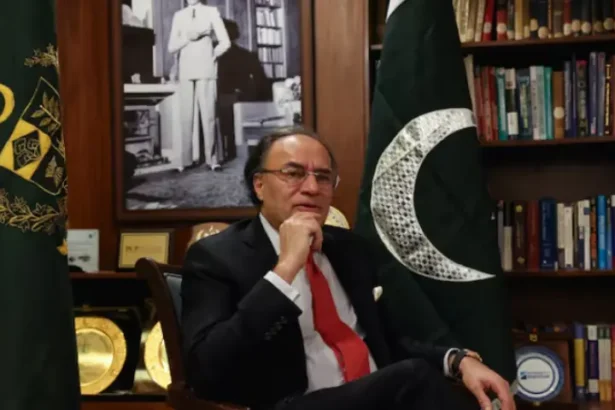
Pakistan plans to seek an increase in its currency swap arrangement with China when the existing facility comes up for renewal in 2027, Finance Minister Muhammad Aurangzeb has said.
The current swap line is worth 30 billion yuan and has been fully utilised, according to the finance minister. He said the government had not yet decided how much additional financing it would request.
Aurangzeb said Pakistan intended to formally approach Beijing when the agreement is renewed. He added that Chinese officials had indicated openness to the proposal, although the request would have to go through the required process.
Pakistan is also awaiting a response from Washington on a proposed $10 billion exchange stabilisation facility. Aurangzeb said he expected a decision within two months.
The finance minister said Pakistan was simultaneously engaging with the US Export-Import Bank and the US International Development Finance Corporation. Potential EXIM financing could support Pakistan International Airlines in acquiring Boeing aircraft following the national carrier’s privatisation.
The US DFC could also help finance a planned $5 billion programme aimed at upgrading Pakistan’s oil refineries.
Aurangzeb said there was no contradiction in seeking economic support from both China and the United States. He described the approach as an “and-and” strategy, stressing that China remained a longstanding strategic partner while Islamabad also maintained strong ties with the current US administration.
Pakistan continues to rely on external financing to strengthen its foreign exchange position and meet debt obligations. Support from China, Gulf countries and international financial institutions remains important for maintaining economic stability.
The finance minister also discussed the impact of elevated global oil prices following the latest conflict in the Middle East. He said Pakistan had managed the initial rise in crude prices but warned that a prolonged conflict could create greater economic pressure.
Aurangzeb said an extension of the conflict into November or December could put the government’s 4 per cent economic growth target for the current fiscal year at risk.
He said Pakistan had secured enough oil supplies to meet its requirements through September and was well prepared for October. Planning for November supplies has also begun, with an institutional mechanism monitoring the situation on a daily basis.
Despite the risks, Aurangzeb said the government currently had no plans to request additional financing or emergency assistance from the International Monetary Fund.
We welcome your contributions! Submit your blogs, opinion pieces, press releases, news story pitches, and news features to opinion@minutemirror.com.pk and minutemirrormail@gmail.com