Summary
- Pakistan’s total tax expenditure, commonly referred to as the cost of tax exemptions and concessions, recorded a slight decline during the current fiscal year, marking the first reduction in many years.
- A significant decline was observed in exemptions provided under the Fifth Schedule of the Sales Tax Act, which relates to the zero-rated tax system.
- The decline was largely driven by lower exemptions under the Fifth Schedule of the Customs Act and the elimination of tax concessions granted under various free trade agreements.
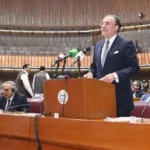
Pakistan’s total tax expenditure, commonly referred to as the cost of tax exemptions and concessions, recorded a slight decline during the current fiscal year, marking the first reduction in many years. According to the Economic Survey of Pakistan 2025-26, unveiled by Finance Minister Muhammad Aurangzeb, tax expenditures decreased by 3.3 percent, falling from Rs2.43 trillion last year to Rs2.35 trillion this year.
The reduction reflects the government’s efforts to gradually eliminate various tax exemptions and concessions, particularly those related to sales tax. Despite the decline, the total cost of tax incentives remains substantial, equivalent to approximately $8.5 billion. This amount is comparable to the financial assistance Pakistan has received from Saudi Arabia to strengthen its foreign exchange reserves.
The survey noted that tax exemptions have accumulated over several years and are protected under existing tax laws. However, recent fiscal reforms and commitments made under the International Monetary Fund (IMF) programme have encouraged the government to reduce these concessions to improve revenue collection and fiscal discipline.
Sales tax exemptions continue to account for the largest share of tax losses. During the current fiscal year, sales tax-related concessions cost the national treasury Rs1.27 trillion, compared to Rs1.24 trillion in the previous year. This represents an increase of Rs37 billion and accounts for nearly 54 percent of total tax expenditures.
A significant decline was observed in exemptions provided under the Fifth Schedule of the Sales Tax Act, which relates to the zero-rated tax system. The cost of these exemptions dropped sharply from Rs81 billion last year to just Rs9 billion this year. Similarly, losses under the Sixth Schedule, which covers exemptions on both local and imported goods, declined from Rs703 billion to Rs567 billion. These reductions resulted from the withdrawal of several exemptions as part of Pakistan’s commitments under the IMF reform programme.
However, reduced sales tax rates granted under the Eighth Schedule of the Sales Tax Act increased significantly. The government incurred losses of Rs635 billion through these preferential rates, compared to Rs374 billion in the previous year. Authorities have announced plans to review and reduce these concessions in the upcoming federal budget.
In the area of income tax, the cost of exemptions increased from Rs545 billion to Rs580 billion. The government provided substantial relief through tax credits, reduced tax rates, and exemptions on various categories of income. While some exemption categories declined, the overall impact resulted in an increase of Rs35 billion in foregone revenue.
Customs duty exemptions showed the most significant improvement. Tax losses in this category decreased from Rs652 billion to Rs499 billion, representing a reduction of Rs153 billion or nearly 24 percent. The decline was largely driven by lower exemptions under the Fifth Schedule of the Customs Act and the elimination of tax concessions granted under various free trade agreements.
Despite the overall reduction in customs-related losses, exemptions benefiting sectors such as automobiles, oil and gas exploration, and projects under the China-Pakistan Economic Corridor (CPEC) increased considerably. These concessions cost the government Rs276 billion during the year.
The survey suggests that while Pakistan has begun reducing tax expenditures through fiscal reforms, exemptions and concessions continue to impose a significant burden on public finances. Further rationalisation of the tax system is expected in the coming years to strengthen government revenues and support long-term economic stability.
We welcome your contributions! Submit your blogs, opinion pieces, press releases, news story pitches, and news features to [email protected] and [email protected]