Summary
- Iranian President Masoud Pezeshkian has said Tehran will not surrender to US pressure but remains open to diplomatic efforts aimed at ending the ongoing conflict.
- He said Tehran would not allow the waterway to be used to advance military pressure against Iran while restricting Iranian access to shipping.
- The exchanges came a day after Trump said he believed there was momentum toward a possible agreement while maintaining that Washington would not allow Iran to obtain a nuclear weapon.
Iranian President Masoud Pezeshkian has said Tehran will not surrender to US pressure but remains open to diplomatic efforts aimed at ending the ongoing conflict.
Speaking at the United Nations General Assembly in New York on Wednesday, Pezeshkian responded to US President Donald Trump’s warning a day earlier that Washington could “annihilate” Iran if no agreement was reached. Pezeshkian said threats and pressure would only strengthen Iran’s resistance.
Pezeshkian defended Iran’s military actions as defensive and rejected claims that Tehran was seeking nuclear weapons. He also accused Washington of aggression and said Iran would not accept negotiations conducted under threats.
The Iranian president also addressed the Strait of Hormuz, a crucial global energy route. He said Tehran would not allow the waterway to be used to advance military pressure against Iran while restricting Iranian access to shipping.
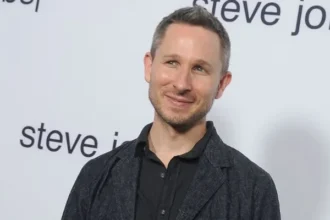
His speech came after US and Iranian officials held indirect contacts on the sidelines of the UN General Assembly. Iranian Foreign Minister Abbas Araghchi communicated with US envoys Steve Witkoff and Jared Kushner through mediators, marking the first known such contact between the two sides in months.
Iranian Foreign Ministry spokesperson Esmail Baqaei said Tehran had conveyed conditions through a Qatari mediator. These included ending the war on all fronts and stopping what Iran describes as US acts of aggression.
Iranian officials later clarified that Araghchi did not meet Witkoff and Kushner face-to-face. The diplomatic contact nevertheless triggered criticism from hardline voices in Iran.
The exchanges came a day after Trump said he believed there was momentum toward a possible agreement while maintaining that Washington would not allow Iran to obtain a nuclear weapon.
Pezeshkian’s UN address therefore combined a firm rejection of surrender with a stated willingness to pursue diplomacy, while the public positions of Washington and Tehran remained sharply different.
We welcome your contributions! Submit your blogs, opinion pieces, press releases, news story pitches, and news features to opinion@minutemirror.com.pk and minutemirrormail@gmail.com