Summary
- A vessel operated by the Pakistan National Shipping Corporation (PNSC) narrowly escaped a major accident after dozens of containers reportedly fell aboard the ship at Karachi Port, raising concerns about cargo safety and operational procedures.
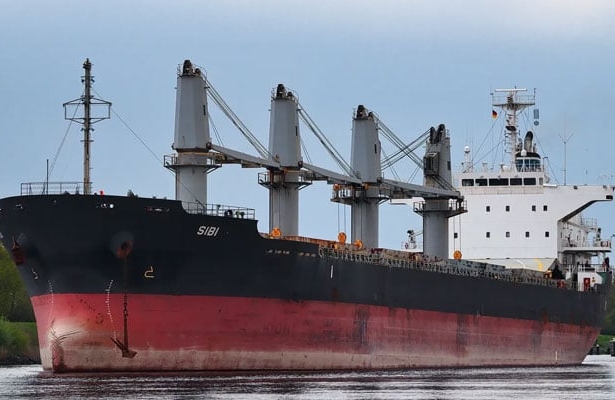
- According to sources at Karachi Port, between 30 and 40 containers collapsed on the vessel “Sibi” during cargo operations.
- Industry experts note that container transportation requires specialized loading procedures, securing mechanisms, and safety protocols to ensure cargo remains stable during voyages and while docked at port facilities.
A vessel operated by the Pakistan National Shipping Corporation (PNSC) narrowly escaped a major accident after dozens of containers reportedly fell aboard the ship at Karachi Port, raising concerns about cargo safety and operational procedures.
According to sources at Karachi Port, between 30 and 40 containers collapsed on the vessel “Sibi” during cargo operations. While no casualties or major structural damage were immediately reported, the incident caused significant concern among port authorities and shipping officials due to the potential risks involved.
Sources familiar with the matter stated that the terminal administration refused to remove the affected containers because of safety concerns. Officials reportedly feared that attempting to recover the containers could create additional hazards for workers and the vessel itself. The fallen containers are believed to be carrying machinery, equipment, and other commercial goods, making the situation more complicated from both a logistical and financial standpoint.
Port sources further indicated that obtaining insurance compensation for the damaged cargo could prove challenging. Since the containers reportedly contained valuable industrial machinery and other goods, determining the extent of losses and processing insurance claims may take considerable time. The incident has also raised questions about cargo handling practices and the safety measures adopted during loading and transportation operations.
According to the sources, the vessel had undergone a significant operational change approximately two months ago. Originally functioning as a bulk cargo carrier, the ship was reportedly converted into a container vessel in an effort to expand its operational capabilities. The conversion has prompted some observers to question whether the vessel’s new configuration and cargo management systems were fully prepared for container operations.
The incident has sparked discussions within the maritime sector regarding the challenges associated with converting vessels from one type of cargo operation to another. Industry experts note that container transportation requires specialized loading procedures, securing mechanisms, and safety protocols to ensure cargo remains stable during voyages and while docked at port facilities.
A spokesperson for the Pakistan National Shipping Corporation stated that the vessel remains completely safe and that the falling of containers is not an unusual occurrence in the global shipping industry.
The spokesperson emphasized that no major threat was posed to the vessel and that necessary measures were being taken to address the situation. According to PNSC, any losses resulting from damaged containers or cargo would be covered through insurance arrangements, minimizing the financial impact on cargo owners and stakeholders.
The corporation also reassured customers and business partners that shipping operations remain unaffected and that safety standards continue to be observed. Officials maintained that such incidents can occasionally occur in maritime transport and do not necessarily indicate a broader operational failure.
While investigations and assessments are expected to continue, the event has highlighted the importance of cargo security, vessel preparedness, and effective risk management within Pakistan’s maritime sector. Industry observers are likely to closely monitor the outcome of the incident, particularly regarding cargo recovery efforts, insurance claims, and any recommendations aimed at improving operational safety in the future.
For now, authorities and shipping officials remain focused on securing the affected cargo and ensuring that port operations proceed without further disruption.
We welcome your contributions! Submit your blogs, opinion pieces, press releases, news story pitches, and news features to [email protected] and [email protected]