Summary
- The move is part of a wider reform agenda aimed at enhancing educational standards, modernising institutions and improving access to quality higher education across the province.
- The provincial government believes that involving the private sector can help address long-standing challenges faced by public educational institutions, including limited resources, outdated infrastructure and gaps in academic quality.
- By setting higher benchmarks, officials hope the institutions will become examples for other colleges and contribute to raising the overall standard of higher education in Punjab.
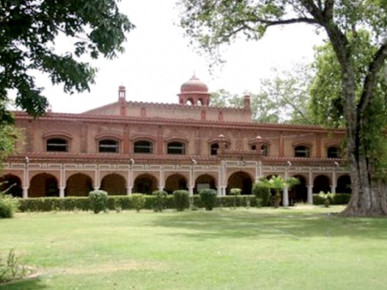
RAWALPINDI: The Punjab government has decided to broaden its public-private partnership (PPP) strategy in the education sector by extending the model to government colleges in addition to public schools. The move is part of a wider reform agenda aimed at enhancing educational standards, modernising institutions and improving access to quality higher education across the province.
According to official decisions, the Higher Education Department (HED) Punjab will begin implementing the programme during the upcoming summer vacations. In the first phase, around 150 government colleges will be brought under the public-private partnership framework. Through this arrangement, selected institutions will be managed in collaboration with private-sector partners, with the objective of improving academic performance, administrative efficiency and overall educational outcomes.
The provincial government believes that involving the private sector can help address long-standing challenges faced by public educational institutions, including limited resources, outdated infrastructure and gaps in academic quality. Officials maintain that the initiative is designed to introduce modern management practices, strengthen learning environments and ensure better educational opportunities for students.
As part of the broader restructuring plan, the government has also decided to gradually discontinue standalone commerce colleges throughout Punjab. The decision is intended to reorganise educational offerings and integrate modern academic programmes that better correspond with contemporary market demands and emerging career opportunities.
Another key component of the reform package is the establishment of “Colleges of Eminence” in every tehsil of the province. Under this initiative, one selected model college in each tehsil will be upgraded and developed according to internationally recognised standards. These institutions will serve as centres of excellence and will be equipped with improved academic, technological and administrative facilities.
The government aims to transform these colleges into leading educational hubs capable of delivering high-quality instruction, promoting research and fostering innovation. By setting higher benchmarks, officials hope the institutions will become examples for other colleges and contribute to raising the overall standard of higher education in Punjab.
To ensure transparency and merit-based selection, the Higher Education Department has established a comprehensive set of criteria for identifying colleges eligible for inclusion in the programme. Ten mandatory benchmarks have been approved to assess institutional performance, quality and readiness for development.
These criteria include academic reputation, the availability of highly qualified faculty members, student achievements and examination results, research activities and innovation initiatives, modern infrastructure, well-equipped laboratories, quality library resources, strong industry linkages and the provision of internship and practical training opportunities. Institutions will also be evaluated on their ability to adapt to contemporary educational requirements and support student development.
Officials say the reforms are intended to bridge the gap between traditional educational systems and the demands of a rapidly changing global environment. By strengthening institutional capacity, upgrading facilities and encouraging collaboration with industry, the government hopes to prepare students with the skills and knowledge required for success in higher education and the modern workforce.
The initiative reflects Punjab’s commitment to educational improvement and is expected to play a significant role in enhancing the quality, competitiveness and relevance of government colleges across the province. Through these measures, authorities aim to create a more effective and future-oriented higher education system that can better serve students and contribute to socio-economic development.
We welcome your contributions! Submit your blogs, opinion pieces, press releases, news story pitches, and news features to [email protected] and [email protected]