Summary
- While high protein intake is generally not harmful for healthy individuals, it can increase the risk of kidney disease in people who already have kidney issues.
- Smoking Smoking worsens conditions like high blood pressure and type 2 diabetes, both of which are major risk factors for kidney disease.
- Ignoring body weight Excess body weight puts pressure on the body and increases the risk of type 2 diabetes which in turn raises the risk of kidney disease.
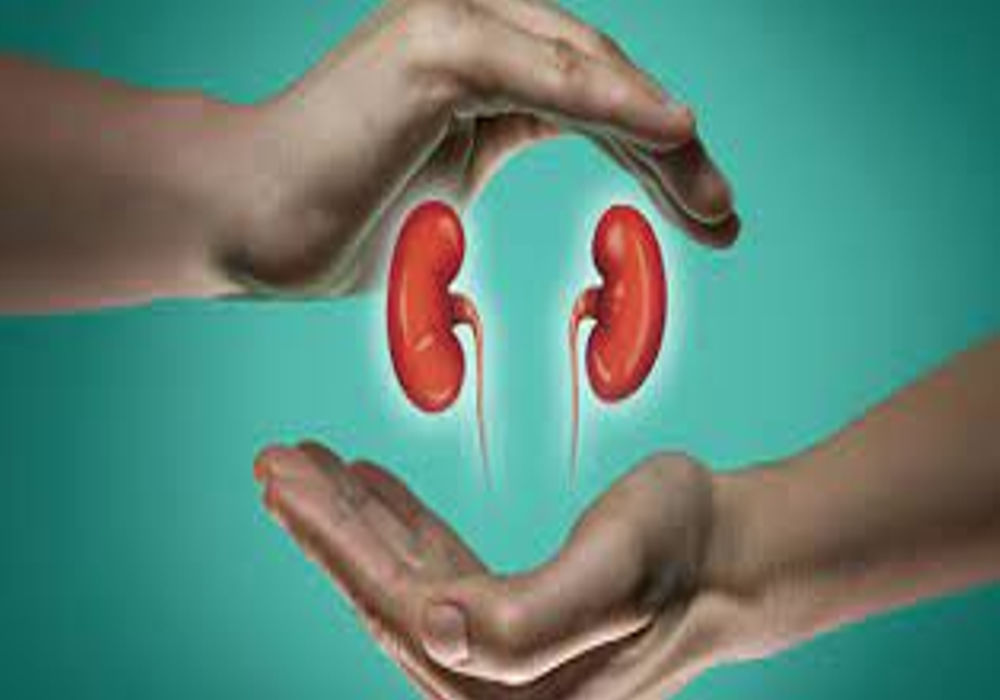
The kidneys act like a water filter in our body. Just as a water filter removes harmful substances from water, the kidneys perform the same function in the human body. They filter the blood, removing toxic materials and excess fluids from the body while also maintaining the balance of potassium, sodium and other essential elements.
- 1. Excessive protein intake
- 2. High salt consumption
- 3. Smoking
- 4. Consumption of sugary drinks
- 5. Lack of water intake
- 6. Overuse of painkillers
- 7. Ignoring body weight
- 8. Alcohol consumption
In addition, the kidneys produce hormones that play an important role in regulating blood pressure and maintaining bone strength. In simple terms, kidneys are extremely important organs.
According to estimates, around 1 in 10 people worldwide suffer from chronic kidney disease which leads to the accumulation of fluids and waste in the body. Several common habits and lifestyle choices can increase the risk of kidney disease. Although these habits may seem harmless, they can be extremely harmful to kidney health.
1. Excessive protein intake
Protein is essential for health but consuming it in very high amounts can be harmful to the kidneys. While high protein intake is generally not harmful for healthy individuals, it can increase the risk of kidney disease in people who already have kidney issues. Excess protein forces the kidneys to work harder which may lead to complications.
2. High salt consumption
Excess salt not only raises blood pressure but also speeds up kidney damage. Too much salt increases the risk of kidney stones because the body tries to remove it through urine but along with salt, calcium is also excreted in higher amounts. This increases calcium levels in urine raising the risk of kidney stones.
3. Smoking
Smoking worsens conditions like high blood pressure and type 2 diabetes, both of which are major risk factors for kidney disease. It also reduces blood flow to the kidneys making kidney problems more severe. One study found that smoking can increase the risk of kidney cancer by up to 40%.
4. Consumption of sugary drinks
If you consume two or more sugary drinks daily, your risk of kidney disease increases. Studies have shown that excessive intake of soda and sugary beverages may raise the risk of chronic kidney disease.
5. Lack of water intake
The kidneys need sufficient water to function properly. Chronic dehydration can damage them. Insufficient water intake can block the tiny filters inside the kidneys increasing the risk of kidney stones and infections.
Medical experts suggest that drinking 4 to 6 glasses of water daily can help maintain kidney health. Dehydration also forces the body to work harder to maintain blood pressure affecting blood flow to the kidneys.
6. Overuse of painkillers
Excessive use of pain-relief medications can also harm the kidneys. These drugs reduce blood flow to the kidneys which can lead to organ damage. Therefore, such medications should only be taken under medical supervision.
7. Ignoring body weight
Excess body weight puts pressure on the body and increases the risk of type 2 diabetes which in turn raises the risk of kidney disease. Diabetic patients often face insulin-related issues which can lead to swelling in the body and negatively affect kidney function.
8. Alcohol consumption
Alcohol is harmful to the kidneys, just like it is to other organs in the body. It increases the risk of chronic kidney disease.
We welcome your contributions! Submit your blogs, opinion pieces, press releases, news story pitches, and news features to [email protected] and [email protected]