Summary
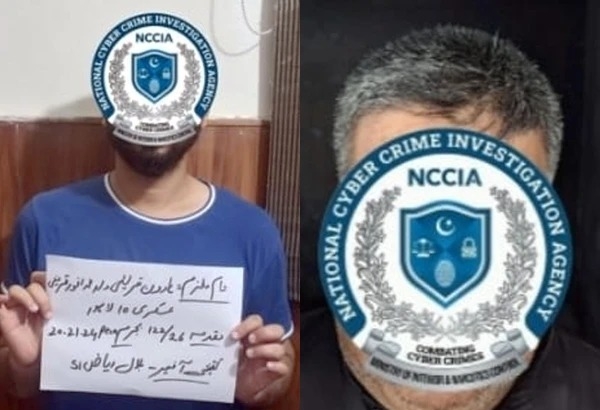
- The National Cyber Crime Investigation Agency (NCCIA) has arrested two suspects in separate operations in Punjab for alleged cyber blackmail, online impersonation, and the misuse of private digital content.
- According to the agency, the suspect allegedly created a fake female identity on social media to lure victims into online relationships.
- The NCCIA said both cases demonstrate the growing risks of cyber-enabled crimes, including identity fraud, online impersonation, digital harassment, and blackmail.
The National Cyber Crime Investigation Agency (NCCIA) has arrested two suspects in separate operations in Punjab for alleged cyber blackmail, online impersonation, and the misuse of private digital content. The arrests are part of an ongoing campaign against cyber criminals targeting women and social media users.
In the first operation, NCCIA officials arrested Haroon Qureshi in connection with Case No. 122/2026. According to investigators, the suspect allegedly attempted to damage a woman’s married life by sending her private photographs to her husband without her consent. Authorities said the action was intended to create conflict within the family and cause emotional distress.
The operation was carried out on the special instructions of Punjab Director Operations Muhammad Ali Waseem. Investigators used digital forensic techniques to trace the suspect and recover a mobile phone believed to have been used in the alleged offense. The seized device will undergo further forensic examination as part of the investigation.
In a separate operation, the NCCIA’s Faisalabad team conducted a raid in Sherwan Kalan, Abbottabad, and arrested Muhammad Anwar, the prime suspect in Case No. 91/2026.
According to the agency, the suspect allegedly created a fake female identity on social media to lure victims into online relationships. After gaining their trust, he reportedly used private conversations and objectionable content to blackmail them for money.
Investigators stated that one victim transferred Rs40,000 through Easypaisa after being threatened. When the victim refused to send additional money, the suspect allegedly shared private material through WhatsApp in an attempt to pressure and intimidate the individual.
The NCCIA said both cases demonstrate the growing risks of cyber-enabled crimes, including identity fraud, online impersonation, digital harassment, and blackmail. Authorities urged social media users to avoid sharing sensitive personal information or private images with people they do not know or trust online.
Officials also advised victims of cyber harassment or online extortion to report incidents immediately to law enforcement rather than responding to threats or making payments. Early reporting, they said, improves the chances of identifying suspects and preserving digital evidence.
The investigations in both cases remain ongoing, and authorities are examining the suspects’ electronic devices to determine whether additional victims may have been targeted.
We welcome your contributions! Submit your blogs, opinion pieces, press releases, news story pitches, and news features to opinion@minutemirror.com.pk and minutemirrormail@gmail.com