Summary
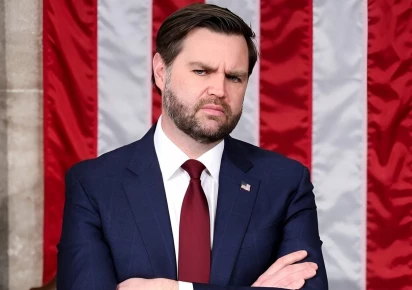
- US Vice President JD Vance has criticised Israel’s reaction to the recent US-Iran memorandum of understanding, describing it as an overreaction and a sign of mistrust toward the United States.
- He further said that Israel’s response reflects a lack of trust in its closest ally, the United States.
- Referring to criticism from some Israeli officials, including far-right cabinet members, Vance questioned the idea that military action alone can solve complex security challenges.
US Vice President JD Vance has criticised Israel’s reaction to the recent US-Iran memorandum of understanding, describing it as an overreaction and a sign of mistrust toward the United States.
He said there is “weird panic” within parts of the Israeli political system over the agreement. According to him, some Israeli concerns are based on the assumption that any benefits for Iran will come without any change in its behaviour.
Vance said this interpretation is incorrect and does not reflect the actual structure of the agreement. He added that the deal does not provide relief to Iran if it continues activities Washington considers destabilising, including support for armed groups.
He further said that Israel’s response reflects a lack of trust in its closest ally, the United States. He stressed that Washington has consistently supported Israel’s security interests and maintained a strong strategic partnership with it.
Referring to criticism from some Israeli officials, including far-right cabinet members, Vance questioned the idea that military action alone can solve complex security challenges. He said sustainable solutions require broader strategic and diplomatic approaches.
His remarks come amid wider international debate over the US-Iran memorandum, which has received mixed reactions from lawmakers and officials across several countries. While some have welcomed it as a step toward de-escalation, others have raised concerns about its implications.
US President Donald Trump has defended the agreement, rejecting criticism and pointing to economic indicators such as rising stock markets and falling oil prices as signs of progress.
Meanwhile, several US lawmakers have expressed concern over the transparency of the deal and have called for the full text of the memorandum to be released. They have also questioned provisions related to sanctions relief, nuclear monitoring, and regional security arrangements.
We welcome your contributions! Submit your blogs, opinion pieces, press releases, news story pitches, and news features to [email protected] and [email protected]