Summary
- LA PAZ: Bolivia’s political and economic crisis deepened on Saturday after President Rodrigo Paz declared a nationwide state of emergency, authorising expanded military deployment to dismantle road blockades that have crippled the country for nearly 50 days.
- The crisis initially erupted after President Paz moved to reduce long-standing fuel subsidies in an effort to cut Bolivia’s fiscal deficit amid a growing shortage of US dollars and ongoing negotiations with the International Monetary Fund.
- While later policy adjustments attempted to stabilise fuel prices and ease tensions, protests quickly expanded beyond economic grievances into broader political demands.
LA PAZ: Bolivia’s political and economic crisis deepened on Saturday after President Rodrigo Paz declared a nationwide state of emergency, authorising expanded military deployment to dismantle road blockades that have crippled the country for nearly 50 days.
The emergency decree gives the government broader constitutional powers to restore order, including the ability to deploy armed forces to reopen blocked highways and secure key supply routes. However, under Bolivian law, the president must notify Congress within 24 hours, and lawmakers then have up to 72 hours to approve or reject the measure.
The decision comes as widespread protests continue to disrupt daily life across the country, with major transport routes cut off by demonstrators. Trucks carrying food, fuel and medicines have been stranded for days, worsening shortages in cities including La Paz.
Much of the unrest is linked to supporters of former president Evo Morales, along with rural associations that have maintained blockades in strategic regions. The Cochabamba area remains one of the most heavily affected zones, where protest groups continue to resist government attempts to reopen roads.
The crisis initially erupted after President Paz moved to reduce long-standing fuel subsidies in an effort to cut Bolivia’s fiscal deficit amid a growing shortage of US dollars and ongoing negotiations with the International Monetary Fund. While later policy adjustments attempted to stabilise fuel prices and ease tensions, protests quickly expanded beyond economic grievances into broader political demands.
Union groups have since called for higher wages, resolution of fuel and currency shortages, and in some cases the resignation of President Paz. Despite a recent agreement signed with the Bolivian Workers’ Confederation (COB) aimed at reducing tensions, the deal failed to bring all factions on board.
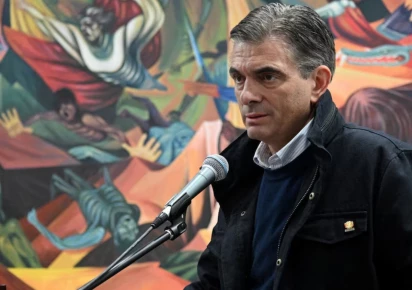
In a televised address to the nation, Paz said the situation had escalated into what he described as a coordinated effort to destabilise democratic institutions.
“This is not a state of emergency to restrict people’s lives,” he said. “It is a state of emergency to give freedom back to the people, to free Bolivia from those who use political conflict to block roads and harm the population.”
Authorities say the emergency measures are designed to ensure the free flow of essential goods and restore normal economic activity, while warning that continued disruptions will result in legal consequences for those involved.
Despite the government’s firm stance, tensions remain high, with key transport corridors still under protester control. Analysts warn that unless a broader political settlement is reached, Bolivia risks further economic deterioration and prolonged instability.
For now, the country stands at a critical crossroads — between restoring order through force or negotiating a fragile path back to stability.
We welcome your contributions! Submit your blogs, opinion pieces, press releases, news story pitches, and news features to [email protected] and [email protected]