Summary
- The proposed measures are expected to focus on tightening public expenditure while maintaining stability in key economic sectors.
- The planned budget strategy comes at a time when Pakistan continues to face economic pressures, including inflationary pressures, high debt servicing costs, and ongoing commitments under international financial agreements.
- As Pakistan moves closer to the Budget 2026–27 announcement, policymakers face the challenge of balancing economic restraint with public welfare needs.
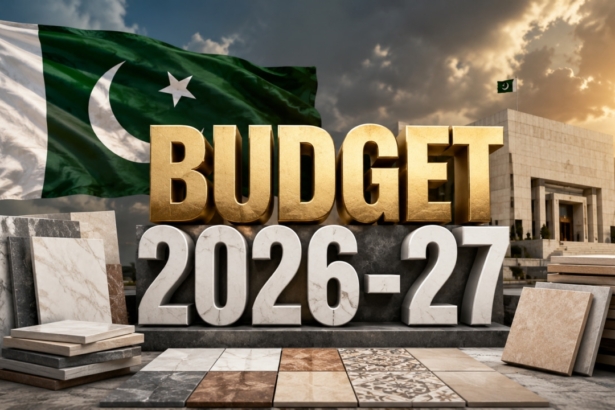
Pakistan’s federal government is reportedly preparing a series of spending cuts as part of its initial planning for the Budget 2026–27, according to discussions within official circles and early media reports. The proposed measures are expected to focus on tightening public expenditure while maintaining stability in key economic sectors.
Officials familiar with the matter indicate that a review of both development and non-development budgets is currently underway. The aim is to identify areas where costs can be reduced without significantly affecting essential public services. Administrative expenses across several ministries are also under scrutiny as part of broader fiscal adjustment efforts.
The planned budget strategy comes at a time when Pakistan continues to face economic pressures, including inflationary pressures, high debt servicing costs, and ongoing commitments under international financial agreements. Analysts say the government is likely to adopt a cautious fiscal approach to manage limited resources and reduce the budget deficit.
At the same time, authorities are expected to prioritise spending in key sectors such as education, healthcare, energy, and infrastructure. These sectors are considered critical for long-term economic growth and social development. However, officials have not yet confirmed the scale of cuts or the specific departments that may be affected.
Economic experts suggest that the proposed adjustments reflect a broader attempt to improve financial discipline and strengthen macroeconomic stability. Some believe that reducing unnecessary expenditures could help ease pressure on public finances, while also creating space for targeted development projects.
However, the prospect of spending cuts has raised concerns among policy observers and sections of the public. Critics argue that reductions in development funding could slow down ongoing infrastructure projects and limit improvements in public services. Others warn that without careful planning, austerity measures could disproportionately affect lower-income groups.
Students and youth-focused organisations are also closely watching the budget discussions, particularly regarding education funding, employment opportunities, and scholarship programmes. Many hope that despite fiscal tightening, investment in human capital will remain a priority.
The government is expected to finalise budget proposals in the coming weeks following consultations with relevant stakeholders. These discussions are likely to shape the final direction of fiscal policy for the upcoming financial year.
As Pakistan moves closer to the Budget 2026–27 announcement, policymakers face the challenge of balancing economic restraint with public welfare needs. The outcome of these decisions will play a key role in shaping the country’s financial outlook for the year ahead.
We welcome your contributions! Submit your blogs, opinion pieces, press releases, news story pitches, and news features to [email protected] and [email protected]