Summary
- Meteorological officials have warned that the intense weather conditions are likely to persist in the coming days, affecting daily life, agriculture, and public health.
- Civil society members have called for improved electricity management and better infrastructure support during extreme weather conditions.
- For now, officials are urging the public to remain cautious and follow safety guidelines to reduce health risks during the ongoing extreme weather conditions.
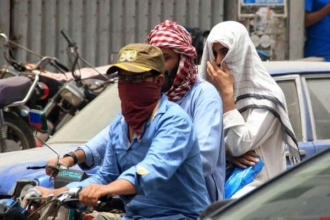
A severe heatwave continues to grip large parts of Pakistan, with temperatures rising significantly above seasonal averages, prompting authorities to issue public safety advisories across several regions. Meteorological officials have warned that the intense weather conditions are likely to persist in the coming days, affecting daily life, agriculture, and public health.
According to the Pakistan Meteorological Department (PMD), several cities in Punjab, Sindh, and southern Khyber Pakhtunkhwa are experiencing extreme heat conditions. In some areas, daytime temperatures have crossed 45°C, placing considerable strain on residents, especially during peak afternoon hours. Officials have advised people to limit outdoor activity and take necessary precautions to avoid heat-related illnesses.
Health experts have raised concerns over the increasing risk of heatstroke, dehydration, and fatigue, particularly among children, elderly citizens, and outdoor workers. Hospitals in major cities have reported a rise in patients experiencing heat-related symptoms. Doctors have urged citizens to stay hydrated, wear light clothing, and avoid direct exposure to sunlight during peak hours.
The government and local administrations have issued guidelines to help the public cope with the ongoing heatwave. These include ensuring the availability of clean drinking water in public places, adjusting school timings in some regions, and encouraging employers to modify working hours for laborers working outdoors.
In urban centers such as Lahore, Karachi, and Multan, residents are facing additional challenges due to prolonged power outages in some areas, which have further intensified the effects of the heatwave. Civil society members have called for improved electricity management and better infrastructure support during extreme weather conditions.
Agricultural experts have also warned that the prolonged heat may affect crop productivity, particularly for summer vegetables and water-dependent crops. Farmers in rural areas are being advised to adopt water conservation techniques to minimize potential losses.
Climate specialists suggest that such extreme weather patterns are becoming more frequent due to changing climate conditions. They emphasize the need for long-term planning, including improved water management systems, urban cooling strategies, and increased awareness campaigns at the community level.
Meanwhile, citizens across the country are trying to adapt to the harsh conditions by adjusting daily routines and seeking relief through cooling measures. Vendors selling cold beverages and ice-related products have reported increased demand in both urban and rural markets.
Authorities continue to monitor the situation closely and are expected to issue further updates if the heatwave intensifies in the coming days. For now, officials are urging the public to remain cautious and follow safety guidelines to reduce health risks during the ongoing extreme weather conditions.
We welcome your contributions! Submit your blogs, opinion pieces, press releases, news story pitches, and news features to [email protected] and [email protected]