Summary
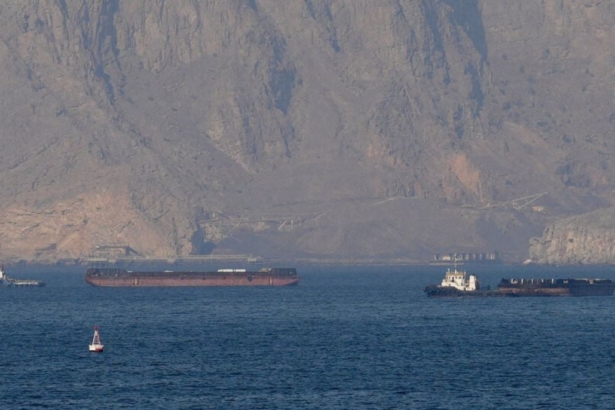
- TEHRAN / MUSCAT / WASHINGTON: Iran has announced that the Strait of Hormuz will remain open for international shipping but under a new framework that includes transit fees, a move that could reshape global energy trade routes and intensify geopolitical tensions.
- The Strait of Hormuz is one of the world’s most critical energy chokepoints, handling nearly one-fifth of global oil shipments.
- As diplomatic debates continue, the future of the Strait of Hormuz remains uncertain, with global markets closely watching whether the proposed transit fee system will be implemented or face further international pushback.
TEHRAN / MUSCAT / WASHINGTON: Iran has announced that the Strait of Hormuz will remain open for international shipping but under a new framework that includes transit fees, a move that could reshape global energy trade routes and intensify geopolitical tensions.
Iran’s ambassador to Moscow, Kazem Jalali, revealed the proposal in an interview with Russian media outlet Izvestia, stating that the strategic waterway would continue to operate but with “new conditions” jointly determined by Iran and Oman.
According to Jalali, both countries provide key maritime services in the region and therefore plan to introduce charges for ships passing through the strait. However, he did not disclose specific details regarding fee structures or implementation timelines.
The Strait of Hormuz is one of the world’s most critical energy chokepoints, handling nearly one-fifth of global oil shipments. Any disruption or policy shift in the region has immediate implications for international oil prices and energy security.
The announcement comes after months of heightened instability in the Gulf region, where tensions involving Iran, Israel, and the United States have repeatedly raised fears over shipping security. Earlier disruptions in the strait had already caused volatility in global energy markets, pushing prices upward due to concerns over supply shortages.
Iranian officials have indicated that any long-term peace agreement in the region should include provisions for a structured transit fee system, potentially allowing Tehran to collect charges based on vessel type, cargo, and broader geopolitical conditions.
However, the proposal has drawn strong opposition from the United States. Former President Donald Trump criticized the idea, stating that international waterways should remain free of tolls, warning against any attempt to impose charges on global shipping routes.
US Secretary of State Marco Rubio also rejected the proposal, arguing that introducing transit fees could undermine diplomatic efforts and complicate future negotiations over regional stability.
Meanwhile, ongoing military tensions have further complicated the situation. Recent missile exchanges between Iran and Israel, along with reported airstrikes on Iranian military targets, have added to fears of escalation despite international calls for restraint.
As diplomatic debates continue, the future of the Strait of Hormuz remains uncertain, with global markets closely watching whether the proposed transit fee system will be implemented or face further international pushback.
We welcome your contributions! Submit your blogs, opinion pieces, press releases, news story pitches, and news features to [email protected] and [email protected]