Summary
- ISLAMABAD: Pakistan will host the Global Mental Health Summit 2026 in Islamabad on October 1 and 2, bringing together government representatives, policymakers, health experts, development partners, academics, civil society and people with lived experience of mental health conditions.
- The summit will be held under the theme “Building Climate-Resilient and Future-Ready Mental Health Systems for Children, Young People and Communities”, with support from development partners.
- Participants will include federal and provincial governments, parliamentarians, UN partners, national and international mental health specialists, universities, development organisations, young people, civil society groups and people with lived experience.
ISLAMABAD: Pakistan will host the Global Mental Health Summit 2026 in Islamabad on October 1 and 2, bringing together government representatives, policymakers, health experts, development partners, academics, civil society and people with lived experience of mental health conditions.
The Ministry of National Health Services, Regulations and Coordination (NHSR&C) will organise the summit at Serena Hotel Islamabad in connection with World Mental Health Day 2026.
The summit will be held under the theme “Building Climate-Resilient and Future-Ready Mental Health Systems for Children, Young People and Communities”, with support from development partners. The event is expected to provide a platform for national and international stakeholders to discuss challenges facing Pakistan’s mental health system and identify practical areas for reform.
Pakistan continues to face a significant burden of mental, neurological and substance-use conditions, while mental health services remain limited and largely concentrated in major urban centres. According to figures cited by the ministry, around 10 to 16 per cent of adults experience mild-to-moderate psychiatric conditions, while another 1 to 2 per cent are affected by severe mental illness.
The treatment gap also remains considerable, with more than 80 per cent of people with diagnosable mental health conditions estimated to receive no formal care in a given year. The country has around 500 psychiatrists and 200 clinical psychologists serving a population of more than 240 million, while only a small proportion of psychiatric beds are allocated to children and adolescents.
Climate change and natural disasters have further increased mental health challenges. Following the devastating 2022 floods, which affected millions of people across Pakistan, government assessments indicated that a significant proportion of residents in affected areas would require mental health support.
The Ministry of NHSR&C is also working on the National Mental Health Policy 2026–35 in consultation with provinces and regions. The upcoming summit is expected to support efforts to translate national policy commitments into practical measures at provincial and regional levels.
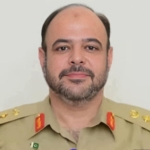
Minister of State for National Health Services, Regulations and Coordination Dr Malik Mukhtar Ahmad said mental health should be treated as a public responsibility rather than solely as a private concern. He said the country’s policy response needed to reflect the scale of the mental health burden.
The two-day summit will focus on several key areas, including child and adolescent mental health, suicide prevention, substance use, digital mental health and innovation. Discussions will also examine climate-resilient mental health systems and ways to incorporate mental health and psychosocial support into disaster-risk reduction and climate adaptation planning.
The event is also expected to feature the launch of the South Asia Child and Adolescent Mental Health Landscape Analysis.
Participants will include federal and provincial governments, parliamentarians, UN partners, national and international mental health specialists, universities, development organisations, young people, civil society groups and people with lived experience.
The summit is expected to culminate in the Islamabad Declaration on Mental Health, outlining priority areas for equitable, community-based and climate-resilient mental health services. Proposed areas include integrating mental health into primary healthcare, schools and disaster preparedness.
The government also aims to strengthen cooperation with organisations including WHO and UNICEF, academic institutions, development partners, the Pakistani diaspora and philanthropic organisations to mobilise investment and support broader access to mental health services.
The summit will seek to move beyond policy discussions by identifying commitments related to financing, workforce development, service delivery and monitoring, with the stated objective of building a more accessible and resilient mental health system in Pakistan.
We welcome your contributions! Submit your blogs, opinion pieces, press releases, news story pitches, and news features to opinion@minutemirror.com.pk and minutemirrormail@gmail.com