
Summary
- ISLAMABAD: Pakistan’s prison crisis is deepening, with the country’s prison population reaching 110,513, while nearly three out of every four prisoners remain behind bars without being convicted, according to a new report by the National Commission for Human Rights (NCHR) and Justice Project Pakistan (JPP).
- The report notes that this group alone exceeds the country’s entire authorised prison capacity by more than 14,000 prisoners.
- Prison growth is not inevitable Despite the national crisis, the report points to provincial differences as evidence that alternatives to imprisonment can make a difference.
ISLAMABAD: Pakistan’s prison crisis is deepening, with the country’s prison population reaching 110,513, while nearly three out of every four prisoners remain behind bars without being convicted, according to a new report by the National Commission for Human Rights (NCHR) and Justice Project Pakistan (JPP).
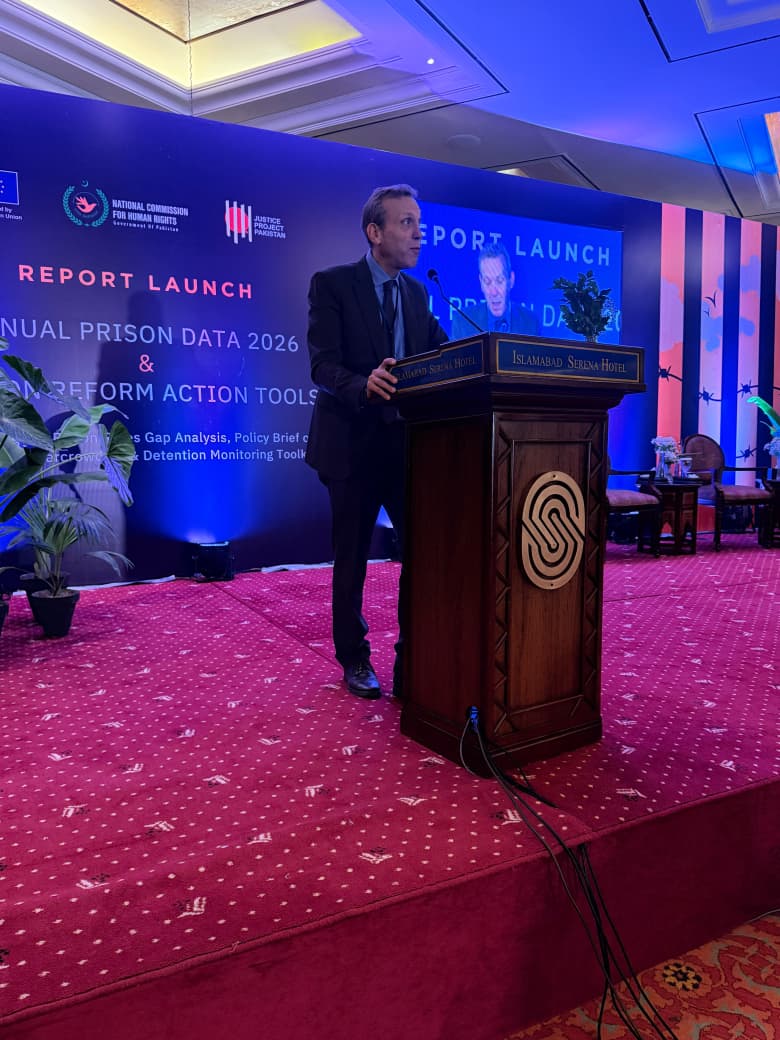
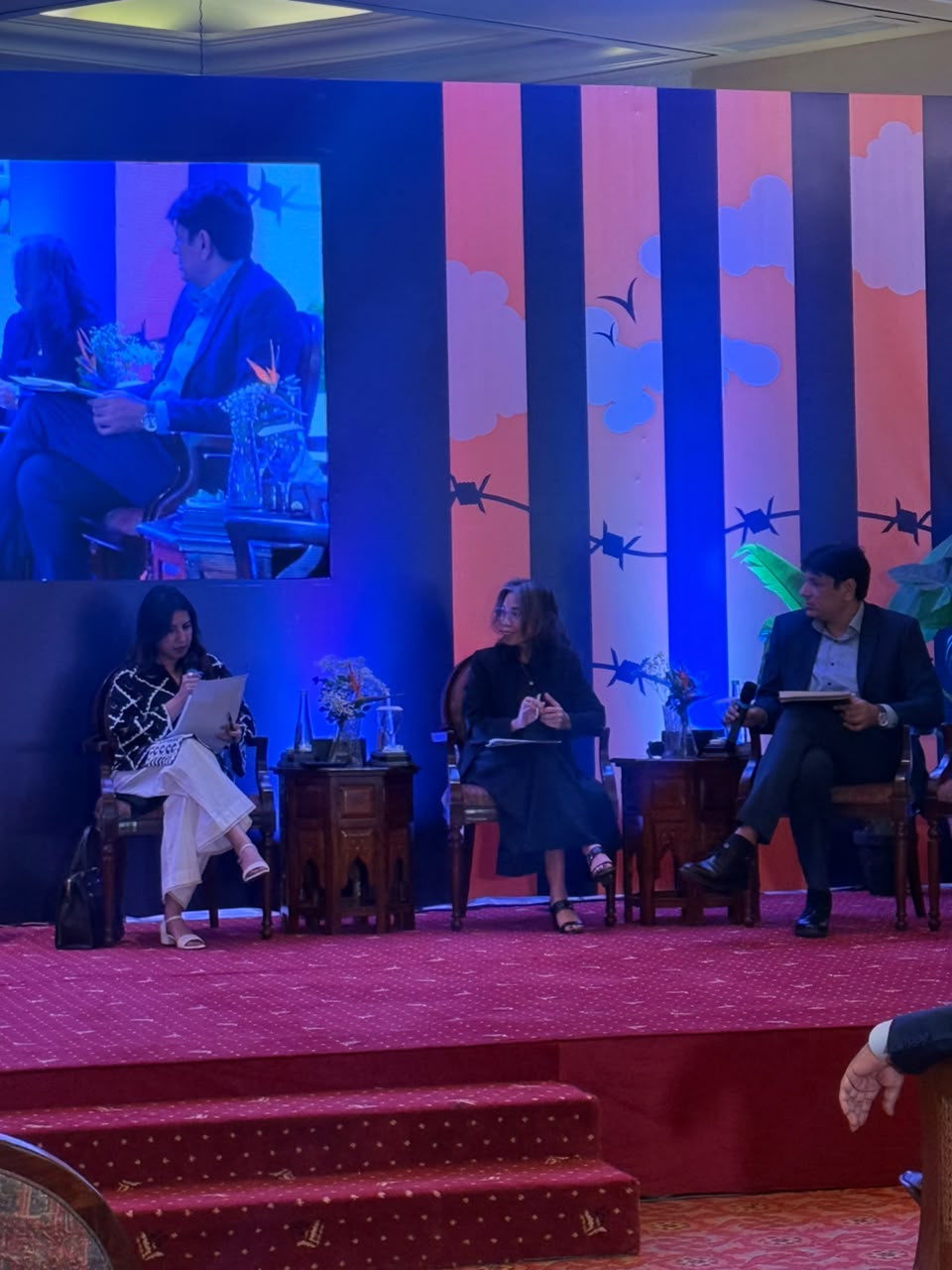
The Annual Prisons Data Report 2026, launched on Thursday with support from the European Union, paints a troubling picture of a criminal justice system struggling with overcrowding, lengthy trials and heavy reliance on imprisonment.
According to the report, Pakistan’s prisons are operating at 160.6% of their authorised capacity. The country has space for around 68,832 prisoners but is currently holding 41,681 more people than the system was designed to accommodate.
The largest pressure comes from under-trial prisoners. Some 82,988 people, or 75.09% of the total prison population, are awaiting trial. The report notes that this group alone exceeds the country’s entire authorised prison capacity by more than 14,000 prisoners.
Drug laws emerge as major driver
Drug-related cases have also emerged as a major contributor to Pakistan’s growing prison population.
More than 28,000 prisoners are being held under the Control of Narcotic Substances Act (CNSA), accounting for more than a quarter of all prisoners. The number represents a 43.4% increase since 2023, according to the report.
The findings suggest that Pakistan’s prison crisis cannot be addressed simply by expanding prison facilities. The report instead examines broader issues, including arrests, access to bail, delays in trials, criminalisation of offences and the limited use of alternatives to imprisonment.
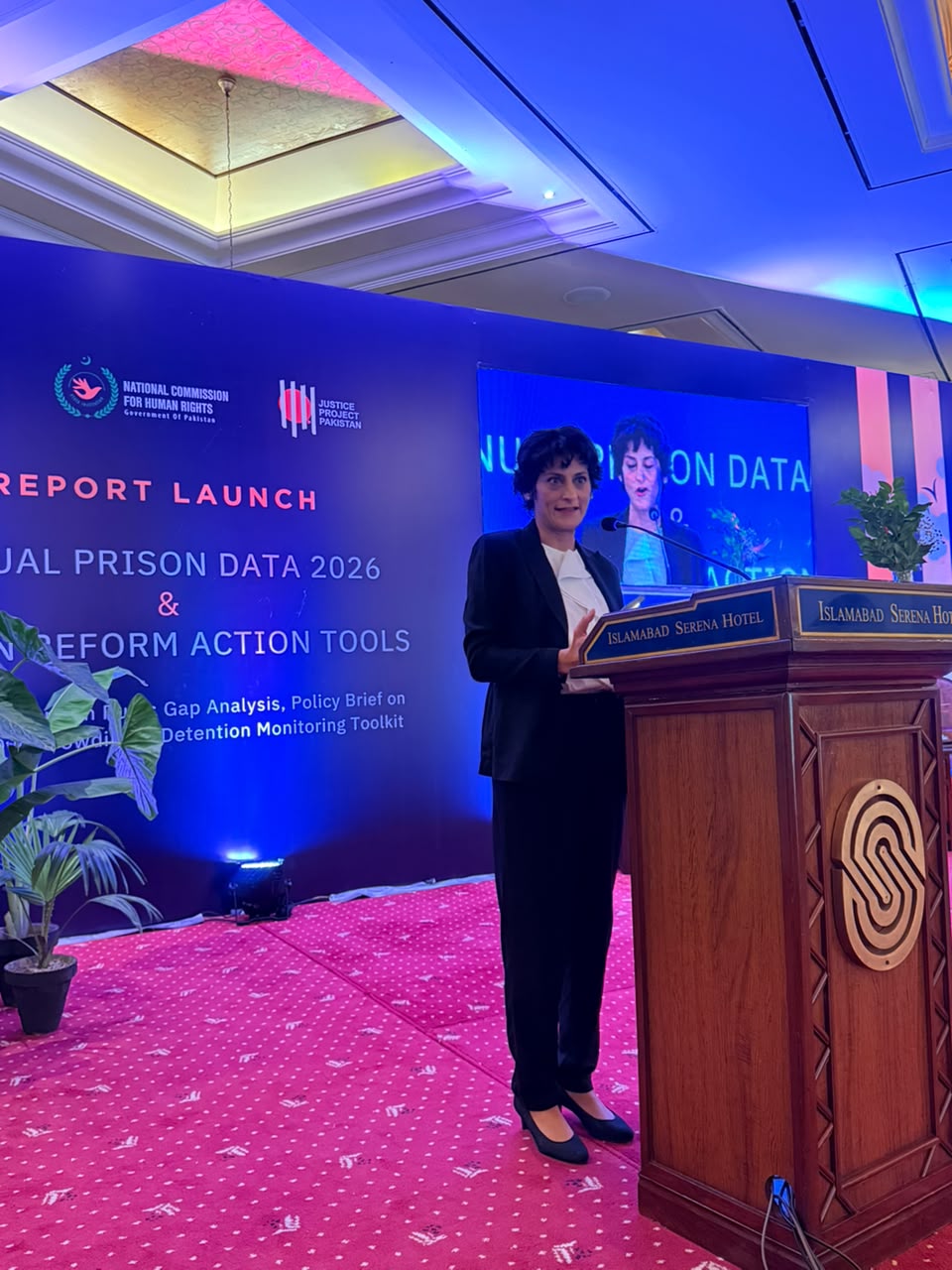
JPP Executive Director Sarah Belal said the figures represented people whose lives and families had been disrupted, stressing that the data could help policymakers and justice-sector institutions make better decisions.
Prison growth is not inevitable
Despite the national crisis, the report points to provincial differences as evidence that alternatives to imprisonment can make a difference.
While Punjab and Sindh continue to experience sharp increases in their prison populations and severe overcrowding, Khyber Pakhtunkhwa and Balochistan have reduced their prison populations and remain within overall authorised capacity.
The report links the trend partly to greater use of probation, parole, diversion and other non-custodial measures.
The situation is particularly concerning for vulnerable groups. The number of women in prison has risen by 45.96% since 2024, while 86.2% of children behind bars are under-trial.
At the same time, Pakistan’s death-row population has fallen to 3,220, an 11.7% decline from 2024.
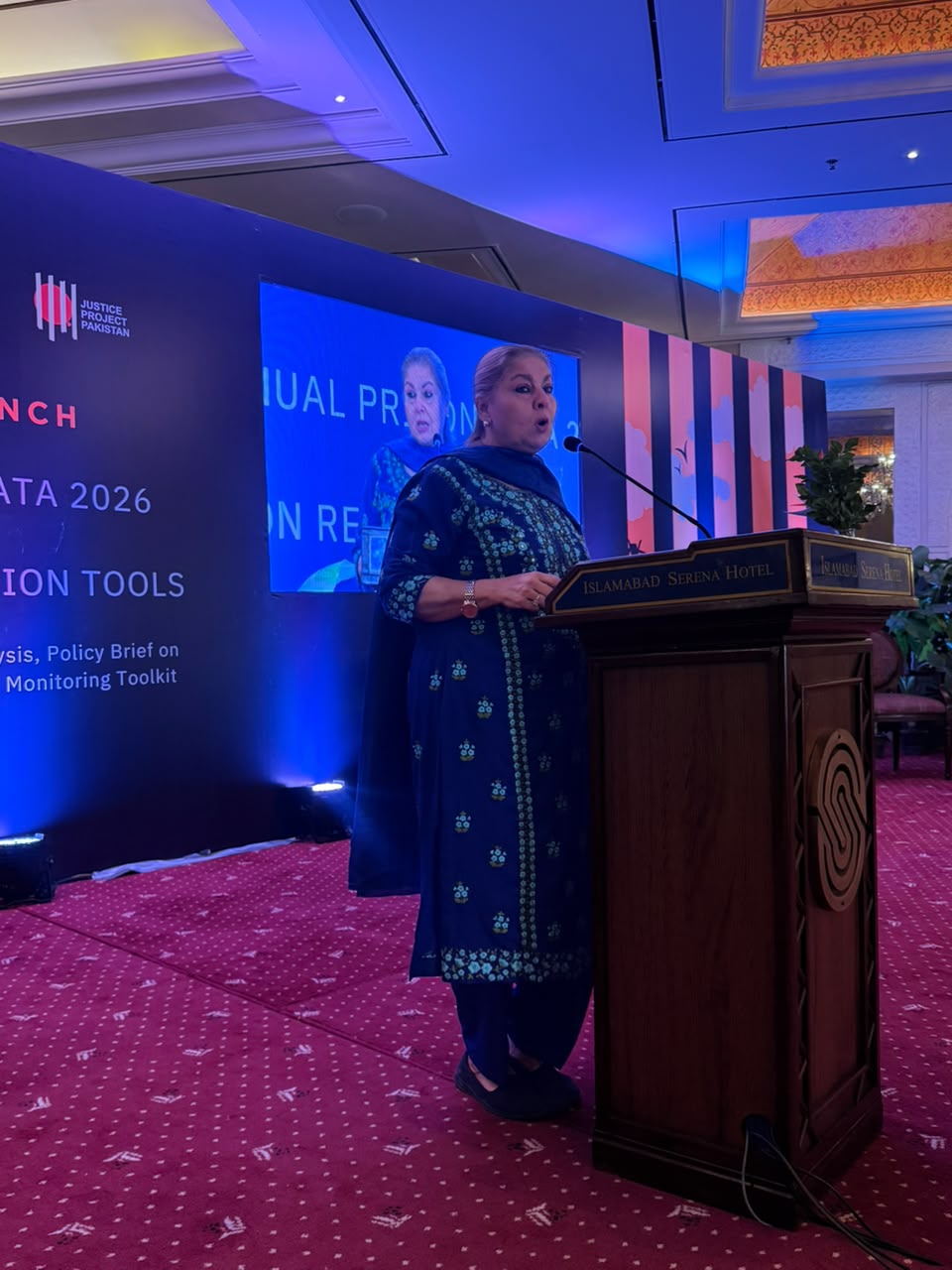
NCHR Chairperson Rabiya Javeri Agha said the country faced more than an overcrowding problem, arguing that people were entering prisons faster than the justice system could process their cases.
Calls for justice system reforms
European Union Delegation official Jeroen Willems highlighted recent efforts to improve prison management, including the launch of a Prison Management Information System in Balochistan and similar initiatives in several KP prison centres.
The report calls for reforms to bail and surety practices, faster trials, greater use of non-custodial measures and stronger prison oversight.
It also urges policymakers to examine laws and policies that contribute to unnecessary incarceration.
The findings ultimately raise a fundamental question for Pakistan’s justice system: should imprisonment remain the default response when many prisoners have yet to be convicted?
For NCHR and JPP, the answer lies not only in building more prison space, but in reducing unnecessary detention and ensuring that justice is delivered before years are lost behind prison walls.
We welcome your contributions! Submit your blogs, opinion pieces, press releases, news story pitches, and news features to opinion@minutemirror.com.pk and minutemirrormail@gmail.com