Summary
- LAHORE: Pakistan Tehreek-e-Insaf (PTI) leader Shah Mahmood Qureshi has cautioned that Pakistan could face the loss of its preferential trade access to European markets if it fails to make meaningful progress on human rights, labour protections, and governance reforms.
- The debate over GSP+ has intensified in recent months following discussions on Pakistan’s human rights commitments at international forums.
- However, she reiterated that continued access to GSP+ benefits would depend on progress in implementing international commitments related to governance, environmental standards, labour rights, and human rights.
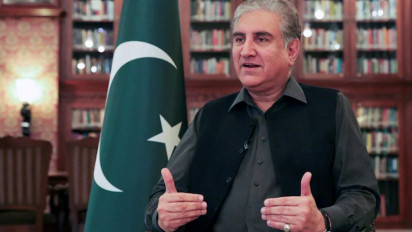
LAHORE: Pakistan Tehreek-e-Insaf (PTI) leader Shah Mahmood Qureshi has cautioned that Pakistan could face the loss of its preferential trade access to European markets if it fails to make meaningful progress on human rights, labour protections, and governance reforms.
In a statement issued through his legal representative from Kot Lakhpat Jail, the former foreign minister said the European Union continues to closely assess Pakistan’s performance in areas such as democratic governance, freedom of expression, workers’ rights, and human rights obligations.
Qureshi emphasized the economic significance of the Generalised Scheme of Preferences Plus (GSP+) programme, under which a large share of Pakistan’s exports enters European markets duty-free. He noted that Pakistan’s exports to the EU reached billions of euros last year, making the continuation of the scheme crucial for the country’s trade and industrial sectors.
He warned that the current GSP+ framework is due to expire in 2027 and that future eligibility will depend on compliance with stricter standards. According to Qureshi, retaining the status will require sustained reforms and active diplomatic engagement.
The PTI leader recalled the extensive international lobbying that helped Pakistan secure GSP+ benefits and credited political leaders and the textile industry for their role in achieving the milestone.
Highlighting issues that could influence future EU assessments, Qureshi pointed to concerns regarding freedom of expression, judicial independence, governance challenges, and allegations of enforced disappearances. He argued that these matters remain under international scrutiny and could affect Pakistan’s standing under the trade arrangement.
The debate over GSP+ has intensified in recent months following discussions on Pakistan’s human rights commitments at international forums. Government officials and business representatives have defended the country’s position, stressing the importance of safeguarding trade relations with the European Union.
During a recent visit to Pakistan, EU foreign policy chief Kaja Kallas described trade ties between Pakistan and the EU as strong and growing. However, she reiterated that continued access to GSP+ benefits would depend on progress in implementing international commitments related to governance, environmental standards, labour rights, and human rights.
Qureshi’s remarks have renewed attention on the challenges Pakistan faces as it seeks to preserve one of its most valuable trade arrangements ahead of the scheme’s next review cycle.
We welcome your contributions! Submit your blogs, opinion pieces, press releases, news story pitches, and news features to [email protected] and [email protected]