Summary
- The Supreme Court has rejected the appeal for leniency based on the convict’s minor age in an acid attack case.
- The court observed that in a brutal and premeditated crime, the shield of minor age cannot be used as a defence, adding that acid attacks are even more horrific than murder.
- The Supreme Court further directed a complete ban on the open sale of acid to ordinary citizens and called for the establishment of a biometric and digital monitoring system.
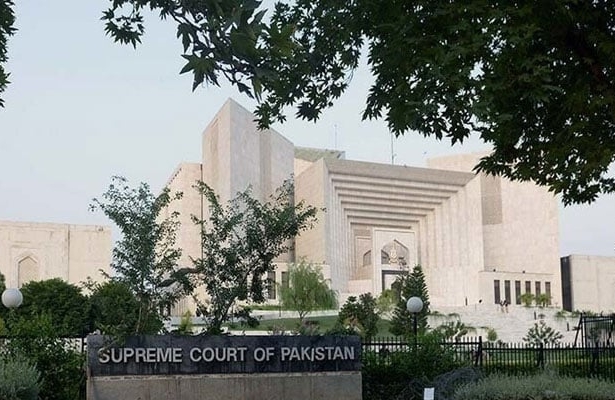
The Supreme Court has rejected the appeal for leniency based on the convict’s minor age in an acid attack case.
The apex court upheld the life imprisonment sentence of the convict, Abdul Manan, and also ordered him to pay Rs 1 million compensation to the victim.
The court observed that in a brutal and premeditated crime, the shield of minor age cannot be used as a defence, adding that acid attacks are even more horrific than murder.
The Supreme Court further directed a complete ban on the open sale of acid to ordinary citizens and called for the establishment of a biometric and digital monitoring system.
It instructed High Courts to ensure that acid attack cases are concluded within four months and to personally supervise their trials, emphasizing that swift justice is essential to prevent further mental trauma for victims.
In its order, the court stated that all expenses for victims’ plastic surgery and psychological treatment must be borne by the government. It also directed the government to establish a National Rehabilitation Fund for acid attack survivors and to provide disability certificates and job quotas in government employment for permanently affected victims.
We welcome your contributions! Submit your blogs, opinion pieces, press releases, news story pitches, and news features to [email protected] and [email protected]