Summary
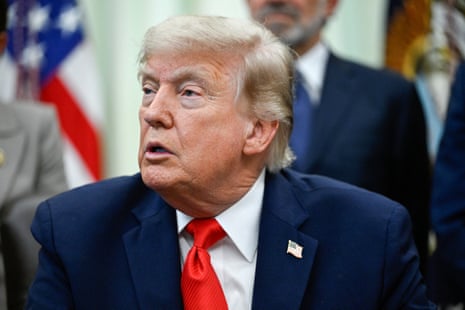
- US President Donald Trump on Friday sharply rejected Iranian accounts of a proposed agreement between Washington and Tehran, accusing Iranian officials of misrepresenting the contents of ongoing negotiations and acting in bad faith.
- “What they said bears no relation to the truth,” the US president wrote on Truth Social, describing Iranian statements as “weak and pathetic” while warning Tehran to “get their act together, and fast.”The unusually blunt response highlighted growing tensions surrounding negotiations that many diplomats hoped would finally bring an end to months of military confrontation that has shaken the Middle East, disrupted global shipping routes and sent energy prices soaring.
- If an agreement is signed, it could reshape relations between Washington and Tehran, influence conflicts stretching from the Gulf to Lebanon and restore stability to a region that has spent months on the brink of a broader war.
WASHINGTON/TEHRAN: Just when the world thought a breakthrough in the months-long Iran conflict was within reach, a fresh war of words has cast uncertainty over what could become one of the most consequential diplomatic agreements in recent Middle Eastern history.
US President Donald Trump on Friday sharply rejected Iranian accounts of a proposed agreement between Washington and Tehran, accusing Iranian officials of misrepresenting the contents of ongoing negotiations and acting in bad faith.
The dramatic dispute erupted after Iranian media outlets published details of a leaked 14-point draft memorandum reportedly designed to end hostilities between Iran, the United States and its regional allies. The leak suggested that Tehran had secured sweeping concessions, including sanctions relief, access to frozen assets and commitments linked to rebuilding the country’s war-damaged economy.
Trump quickly dismissed those claims.
“What they said bears no relation to the truth,” the US president wrote on Truth Social, describing Iranian statements as “weak and pathetic” while warning Tehran to “get their act together, and fast.”

The unusually blunt response highlighted growing tensions surrounding negotiations that many diplomats hoped would finally bring an end to months of military confrontation that has shaken the Middle East, disrupted global shipping routes and sent energy prices soaring.
A Deal Surrounded by Confusion
Only a day earlier, Trump had surprised observers by declaring that a deal was essentially complete and that planned US military strikes against Iran had been cancelled.
Speaking at the White House, he suggested an agreement could be signed within days, potentially reopening the strategically vital Strait of Hormuz and easing fears of a wider regional war.
However, Iranian media presented a significantly different picture.
According to reports published by Mehr News Agency and other Iranian outlets, the draft agreement would require Washington to suspend sanctions on Iranian oil exports, release billions of dollars in frozen Iranian funds and support economic reconstruction efforts worth at least $300 billion.
The reported terms also called for an immediate halt to military operations across the region, including fighting in Lebanon, where clashes involving Israeli forces and Hezbollah have continued despite multiple ceasefire efforts.
If accurate, those provisions would represent major gains for Tehran and raise questions about what concessions Iran would provide in return.
That apparent imbalance has become one of the most controversial aspects of the leaked proposal.
The Nuclear Issue Remains Unresolved
Perhaps the most striking aspect of the reported memorandum is what it does not settle.
Despite years of international concern over Iran’s nuclear activities, the leaked document reportedly postpones detailed nuclear negotiations for a later phase.
Iran would reaffirm its commitment not to develop nuclear weapons under the Nuclear Non-Proliferation Treaty, but broader questions surrounding uranium enrichment and nuclear oversight would be addressed during a separate 60-day negotiation period following the signing of the memorandum.
Iran has consistently denied seeking nuclear weapons, insisting its nuclear programme is intended for peaceful purposes.
Nevertheless, Israeli leaders remain deeply sceptical.
Israeli Prime Minister Benjamin Netanyahu reiterated Friday that Iran would never be allowed to acquire nuclear weapons while he remained in office.
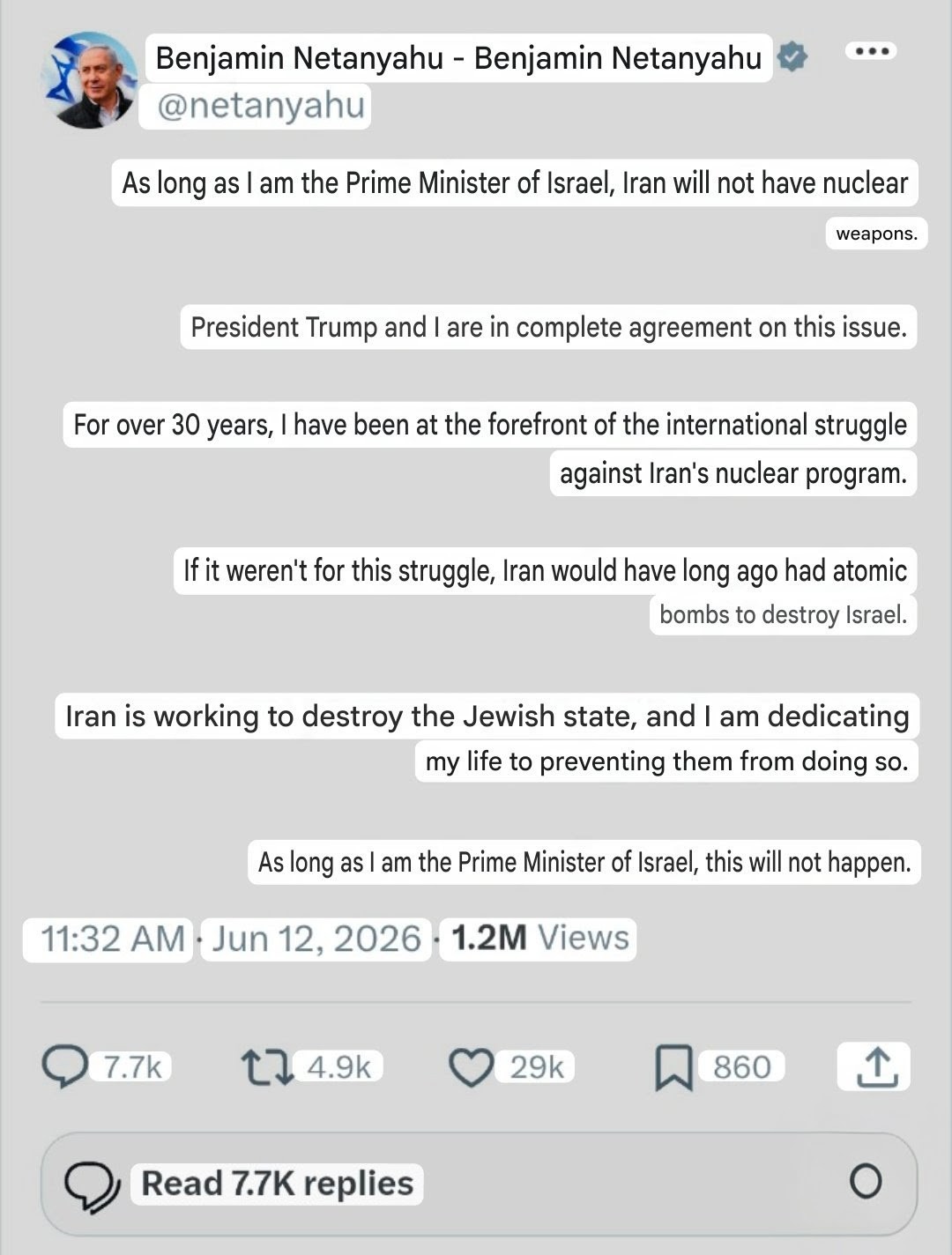
“As long as I am prime minister, Iran will not have nuclear weapons,” Netanyahu declared, adding that he and Trump remained in complete agreement on the issue.
His comments underscored the challenge facing negotiators: even if Washington and Tehran move toward peace, regional security concerns remain far from resolved.
Geneva Emerging as Possible Venue
Diplomatic sources indicate that negotiators are racing against time to finalize the wording of the memorandum.
Several reports suggest the agreement could be signed as early as Sunday, with Geneva emerging as the leading candidate to host the ceremony.
If finalized, the signing could involve US Vice President JD Vance and Iranian Parliament Speaker Mohammad Bagher Ghalibaf.
Preparations appear to be underway. Reports indicate that US military transport aircraft have already headed toward Europe carrying equipment linked to a possible diplomatic event.
Yet uncertainty remains high.
Iranian officials have stressed that the proposed memorandum still requires approval from senior decision-making bodies, including Supreme Leader Syed Mojtaba Khamenei, whose endorsement is essential for any major foreign-policy agreement.
Lebanon Emerges as a Key Obstacle
One of the biggest sticking points involves Lebanon.
Iran and its allies insist that any broader settlement must include an end to Israeli military operations in Lebanon, where conflict has intensified in recent months.
Hezbollah officials have repeatedly expressed confidence that Tehran will not agree to any arrangement that ignores Lebanese concerns.
At the same time, Israeli forces continue conducting military operations against Hezbollah positions, while displacement orders and airstrikes have affected communities across southern Lebanon.
The issue has transformed what initially appeared to be a US-Iran agreement into a far more complex regional negotiation involving multiple actors and competing security priorities.
Strait of Hormuz at the Centre of Talks
The future of the Strait of Hormuz remains another crucial component of discussions.
The narrow waterway handles a significant share of global oil shipments and has become one of the conflict’s most important flashpoints.
Iran’s closure of the strait following military confrontations triggered disruptions in global energy markets and heightened fears of a prolonged economic shock.
While American officials have pushed for an immediate reopening, Iranian reports suggest the process would occur gradually and under coordinated arrangements involving Tehran.
The difference may appear technical, but it reflects deeper disagreements over sovereignty, regional influence and maritime security.
Markets Watching Every Development
Despite continuing military tensions, financial markets have reacted positively to signs that diplomacy may finally be gaining momentum.
Investors have closely monitored every statement from Washington and Tehran, viewing a successful agreement as a potential turning point for energy markets and regional stability.
Oil prices, shipping costs and global economic forecasts remain heavily influenced by developments in the Gulf.
A comprehensive agreement could significantly reduce geopolitical risk and restore confidence in one of the world’s most important trade corridors.
A Critical Weekend Ahead
For now, the proposed deal remains a work in progress.
Trump insists Iran’s leaked description is inaccurate. Iranian media maintains that key terms have largely been agreed upon. Diplomats continue refining language while regional powers watch cautiously from the sidelines.
The coming days could determine whether months of warfare, economic disruption and diplomatic confrontation finally give way to a negotiated settlement.
If an agreement is signed, it could reshape relations between Washington and Tehran, influence conflicts stretching from the Gulf to Lebanon and restore stability to a region that has spent months on the brink of a broader war.
But if negotiations collapse, the Middle East could once again find itself facing renewed uncertainty, escalating military action and another dangerous chapter in one of the world’s most volatile geopolitical crises.
We welcome your contributions! Submit your blogs, opinion pieces, press releases, news story pitches, and news features to [email protected] and [email protected]