Summary
- A key focus of the proposed agreement is the strategic Strait of Hormuz, where tensions have recently escalated, disrupting global shipping lanes and pushing oil prices upward.
- According to diplomatic sources cited in international reporting, the agreement framework also links phased sanctions relief for Iran with commitments to limit its nuclear activities and reduce regional escalation.
- The proposed framework is also said to include temporary sanctions waivers for Iranian oil exports and broader negotiations on Iran’s nuclear program, which remains a central point of contention between the two sides.
US President Donald Trump has said that a peace agreement with Iran could be finalized within days, raising hopes of an end to months of conflict that has severely disrupted global energy routes and heightened tensions in the Middle East.
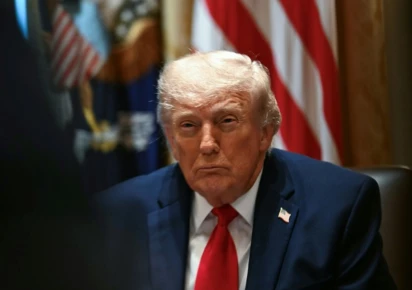
Speaking at the White House, Trump claimed that a “major settlement” had been reached and suggested the deal could be formally signed over the weekend in Europe. He also indicated that Vice President JD Vance may attend the signing ceremony if final approval is secured.
However, Iranian officials struck a more cautious tone. Tehran confirmed that while significant progress had been made in negotiations, no final decision had been taken and internal review processes were still ongoing.
A key focus of the proposed agreement is the strategic Strait of Hormuz, where tensions have recently escalated, disrupting global shipping lanes and pushing oil prices upward. Reports suggest the draft deal would restore full navigation access and stabilize maritime trade through the corridor.
According to diplomatic sources cited in international reporting, the agreement framework also links phased sanctions relief for Iran with commitments to limit its nuclear activities and reduce regional escalation.
Despite diplomatic momentum, the situation on the ground remains volatile. US forces reportedly intercepted drone threats targeting commercial vessels, while Iranian-linked operations have continued to pressure shipping routes in the region.
Iranian state media also reported brief disruptions involving tanker movements in the Strait, underscoring the fragility of the current ceasefire environment.
Global markets responded positively to the possibility of a breakthrough, with stocks gaining and oil prices easing on expectations of improved supply stability. Analysts say energy markets remain highly sensitive to any development in the talks.
The proposed framework is also said to include temporary sanctions waivers for Iranian oil exports and broader negotiations on Iran’s nuclear program, which remains a central point of contention between the two sides.
While optimism is growing, officials on both sides stress that no final agreement has been confirmed. Iranian representatives have reiterated that any deal must align with Tehran’s “red lines,” particularly on sovereignty, sanctions relief, and nuclear restrictions.
We welcome your contributions! Submit your blogs, opinion pieces, press releases, news story pitches, and news features to [email protected] and [email protected]