Summary
- After nearly 20 years, the festival of Basant returned to the streets of Lahore in 2026 — and at the heart of its revival stood a man who has spent six decades keeping the city’s oldest tradition alive with his own hands: Ustad Muhammad Ashraf, fondly known across Lahore as Ustad Piddi.
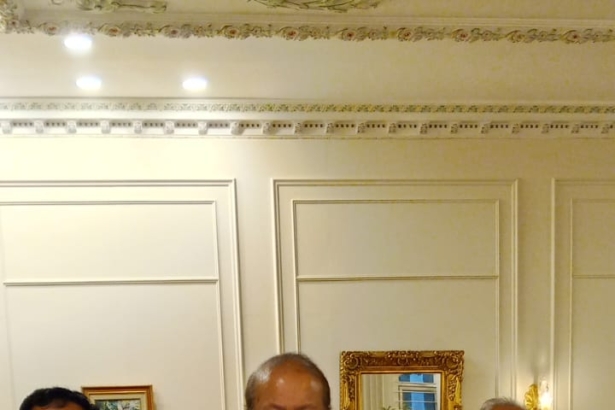
- Mian Nawaz Sharif — himself a lifelong Lahori and passionate kite enthusiast — personally commissioned kites from him, and Ustad Piddi delivered them by hand to Nawaz Sharif’s own home.
- Over nearly three hours in his home, Ustad Piddi crafted a kite by hand, shared stories of the city’s kite-flying history, introduced me to his children, and talked with me over cups of tea — all while his hands never stopped moving.
After nearly 20 years, the festival of Basant returned to the streets of Lahore in 2026 — and at the heart of its revival stood a man who has spent six decades keeping the city’s oldest tradition alive with his own hands: Ustad Muhammad Ashraf, fondly known across Lahore as Ustad Piddi.
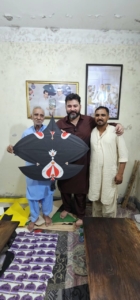
For almost 60 years, Ustad Piddi has been making kites the traditional way, and his reputation reaches the highest levels of the city. But for nearly 20 of those years, during the long ban on Basant, this same master craftsman was left without work — unable to practice the art of patang-saazi (kite-making) that had defined his entire life, and struggling through a difficult, uncertain period as a result.
Mian Nawaz Sharif — himself a lifelong Lahori and passionate kite enthusiast — personally commissioned kites from him, and Ustad Piddi delivered them by hand to Nawaz Sharif’s own home. It was this same master craftsman who, sitting in his home workshop, also made a kite for me, crafting it with the same care and pride he brings to every piece he makes.
Watching him work was like stepping into old Lahore itself. Over nearly three hours in his home, Ustad Piddi crafted a kite by hand, shared stories of the city’s kite-flying history, introduced me to his children, and talked with me over cups of tea — all while his hands never stopped moving. He carries the living memory of Lahore within him, and spending that time with him was a deeply personal and emotional experience for me.
I filmed the entire process as Ustad Piddi sat in front of me and made the kite from start to finish, and I’ve put together a complete vlog of it. It will be out next week on my YouTube channel, Zohaib Butt Vlogs.
The 2026 Basant festival itself was made possible through the personal involvement of Mian Nawaz Sharif and his daughter, Punjab Chief Minister Maryam Nawaz, along with their team. The people of Lahore played their part too — many fitted their motorbikes with antennas, a simple safety measure that protected riders from stray kite strings and helped ensure the celebration passed without incident.
But it is craftsmen like Ustad Piddi who are, to me, the true soul of Basant — men who endured years without work, yet never lost their skill or their love for this craft. They deserve to be recognized, valued, and given the health and strength to pass their skill on to those who come after them, because in their hands lies the true essence of Lahore’s culture.
With manufacturing licenses already issued for Basant 2027, and Ustad Piddi among the artisans preparing for it, the festival looks set to return again. For reviving this piece of Lahore’s heritage, I remain grateful to Mian Nawaz Sharif and Maryam Nawaz — but it is Ustad Piddi’s hands, and the history they carry, that make Basant what it truly is for me.
We welcome your contributions! Submit your blogs, opinion pieces, press releases, news story pitches, and news features to opinion@minutemirror.com.pk and minutemirrormail@gmail.com