Summary
- The World Bank has urged the Pakistani government to speed up the implementation of key policy reforms under its $20 billion economic partnership with the country.
- The meeting reviewed progress on the economic reform programme and discussed priorities related to growth, employment, fiscal management, revenue collection, capital markets, trade, investment and institutional reforms.
- The World Bank also briefed the minister on governance and institutional reforms.
The World Bank has urged the Pakistani government to speed up the implementation of key policy reforms under its $20 billion economic partnership with the country.
The reforms focus on improving economic growth, increasing government revenue, attracting investment and facilitating trade. They also include efforts to harmonise sales tax rules, strengthen provincial agriculture and property taxes, and remove regulatory barriers affecting businesses.
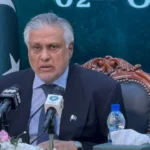
A World Bank delegation led by Country Director Bolormaa Amgaabazar met Finance Minister Muhammad Aurangzeb in Islamabad on Friday. The meeting reviewed progress on the economic reform programme and discussed priorities related to growth, employment, fiscal management, revenue collection, capital markets, trade, investment and institutional reforms.
The World Bank has been working with Pakistan under its 2025-35 Country Partnership Framework. The 10-year framework involves around $20 billion in blended financing through concessional and commercial lending facilities.
During the meeting, both sides stressed the need to move from designing reforms to implementing practical measures that can produce measurable economic results.
The proposed growth and jobs operation was also discussed. The programme includes measures to improve the investment climate, expand access to finance, raise productivity and strengthen labour-market outcomes.
The World Bank proposed steps to reduce regulatory hurdles and improve financing opportunities for small and medium-sized enterprises. It also discussed developing export-finance products through the Export-Import Bank of Pakistan to support trade.
Reforms to improve access to finance were another major area of discussion. These included a unified insolvency framework, factoring legislation and regulations aimed at expanding financing for SMEs.
The delegation also highlighted reforms in agriculture and the pharmaceutical sector. Proposed measures include improvements in seed registration, deregulation of selected commodities and stronger international accreditation to help Pakistani businesses access global markets.
Skills development and employment were also discussed. The World Bank proposed improvements to the national vocational qualifications system and greater international recognition of Pakistani skills. Digital platforms could also be used to support formal overseas employment pathways.
The meeting reviewed Pakistan’s National Tariff Policy and ongoing technical assistance for tariff reforms. Discussions included the automotive sector and future tariff changes aimed at improving competitiveness, productivity and exports.
Fiscal and revenue reforms also featured prominently. The World Bank is providing technical assistance for tax-policy development and Pakistan’s medium-term revenue strategy.
The two sides discussed harmonising general sales tax rules, definitions and classifications for services. Better coordination between the federal and provincial governments and stronger data-sharing mechanisms were also highlighted.
Agricultural income tax reforms were reviewed as well. These include implementation of amended provincial laws and the development of digital systems for registration, filing and payment.
Property-tax reforms were also discussed, including improved valuation systems, digitalisation and a gradual shift towards more market-based property valuations.
The World Bank is also supporting efforts to strengthen Pakistan’s domestic capital markets. The discussions covered a roadmap for capital-market reforms aimed at increasing investment opportunities and expanding sources of financing.
Public-sector efficiency and the government’s rightsizing programme were also reviewed. The World Bank is providing technical assistance aimed at improving institutional performance and the use of public resources.
Aurangzeb stressed the need to strengthen debt management and develop domestic bond markets. Discussions also covered financial instruments for managing market risks and improving investor relations.
The meeting further examined Pakistan’s sovereign credit profile. The finance minister said the government would continue working on fiscal and debt sustainability, external reserves, sustainable growth and institutional reforms to strengthen the country’s credit standing.
The World Bank also briefed the minister on governance and institutional reforms. The focus included improving government effectiveness, regulatory quality, transparency and accountability
We welcome your contributions! Submit your blogs, opinion pieces, press releases, news story pitches, and news features to opinion@minutemirror.com.pk and minutemirrormail@gmail.com