Summary
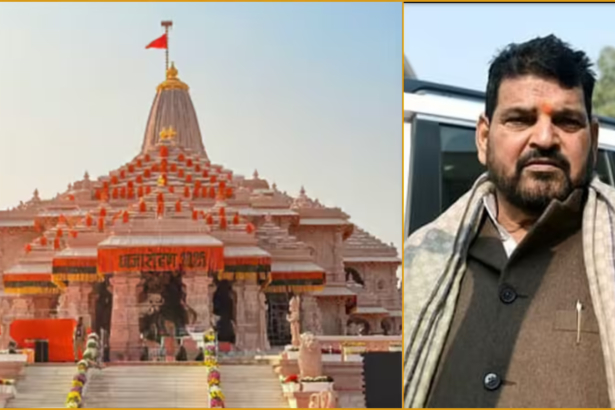
- Fresh allegations of financial irregularities have emerged at a temple in the Indian state of Uttarakhand, adding to the ongoing controversy surrounding the management of religious funds in the country.
- The latest claims come in the wake of earlier allegations related to donations collected for the Ram Mandir, raising renewed questions about financial transparency and accountability in the administration of temple funds.
- The report also raised broader questions regarding political accountability, asking how the senior leadership of the BJP could distance itself from allegations surrounding the handling of Ram Mandir-related funds if concerns about financial management continued to surface.
Fresh allegations of financial irregularities have emerged at a temple in the Indian state of Uttarakhand, adding to the ongoing controversy surrounding the management of religious funds in the country. The latest claims come in the wake of earlier allegations related to donations collected for the Ram Mandir, raising renewed questions about financial transparency and accountability in the administration of temple funds.
According to reports, an investigation into the Uttarakhand temple’s finances found that money from the temple’s funds had allegedly been used to host VIP guests instead of being spent solely on religious or administrative purposes. The findings have sparked political debate and public scrutiny over how donations made by devotees are being managed.
According to a report The Wire alleged that approximately 60,000 Indian rupees were spent in the name of Neha Joshi, a state secretary of the Bharatiya Janata Party (BJP). The report cited financial records as part of its claims and questioned whether temple resources had been used for purposes unrelated to the institution’s intended objectives.
The report also raised broader questions regarding political accountability, asking how the senior leadership of the BJP could distance itself from allegations surrounding the handling of Ram Mandir-related funds if concerns about financial management continued to surface. It argued that the controversy had become a matter of public interest because the donations were made by millions of devotees who expected transparency in the use of their contributions.
According to The Wire, more than a month has passed since allegations of financial misconduct involving Ram Mandir donation funds first gained public attention. The publication noted that Indian Prime Minister Narendra Modi had not issued a public statement addressing the controversy during that period, a point highlighted by critics calling for greater transparency.
The report further stated that the continued silence from the country’s top leadership has fueled demands for an official explanation regarding the allegations. Opposition figures and some public commentators have argued that a transparent investigation would help restore public confidence in the management of religious donations.
Separately, an Indian minister has reportedly called on the Rashtriya Swayamsevak Sangh (RSS) to issue a public apology over the Ram Mandir funding controversy. The demand reflects the growing political debate surrounding the allegations and the role of organizations associated with the temple project.
The allegations have intensified discussions about financial oversight of religious institutions in India. Temples across the country receive substantial donations from worshippers every year, making transparency and accountability important issues for both religious authorities and government regulators. Experts have long argued that clear auditing procedures and public disclosure of financial records are essential to maintaining public trust.
It is important to note that the allegations cited in the reports remain part of an ongoing public and political controversy. The article referenced attributes the claims to The Wire, and the matter may be subject to further investigation or official clarification.
As the debate continues, observers are closely watching whether government authorities or temple administrators will respond to the allegations and whether any formal inquiries or legal proceedings will follow. The controversy has once again highlighted the broader issue of accountability in the management of public donations made to religious institutions.
We welcome your contributions! Submit your blogs, opinion pieces, press releases, news story pitches, and news features to opinion@minutemirror.com.pk and minutemirrormail@gmail.com