Summary
- TEHRAN: Iran has disclosed three major conditions for restarting negotiations with the United States, with Tehran saying the demands have already been conveyed to Washington through Qatar as diplomatic efforts intensify to end the ongoing conflict.
- While the full list has not been made public, Rezaei identified three key demands: an end to the war on all fronts, the release of Iran’s frozen assets and an end to the US naval blockade.
- According to Rezaei, Qatar has communicated Iran’s position to Washington and Tehran is now waiting for a response from US President Donald Trump.
TEHRAN: Iran has disclosed three major conditions for restarting negotiations with the United States, with Tehran saying the demands have already been conveyed to Washington through Qatar as diplomatic efforts intensify to end the ongoing conflict.
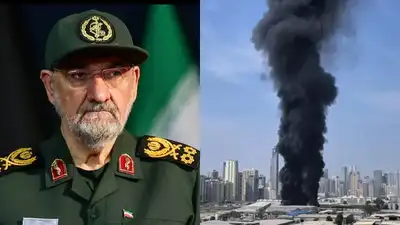
Mohsen Rezaei, secretary of Iran’s Supreme National Security Council, said Tehran had sent seven conditions through the Qatari mediator for negotiations to resume. While the full list has not been made public, Rezaei identified three key demands: an end to the war on all fronts, the release of Iran’s frozen assets and an end to the US naval blockade.
According to Rezaei, Qatar has communicated Iran’s position to Washington and Tehran is now waiting for a response from US President Donald Trump. His remarks indicate that indirect diplomatic channels between the two countries remain active despite continuing military tensions.
The Iranian official said the proposed conditions were aimed at creating a framework for ending the conflict and reopening negotiations. He also warned that Tehran was prepared for further confrontation if diplomacy failed, reflecting the increasingly tense atmosphere surrounding the talks.
The developments come after an earlier memorandum of understanding involving Iran and the United States expired in August without producing a lasting settlement. Qatar and Pakistan have continued efforts to facilitate dialogue between the two sides, while Oman has also been involved in regional diplomatic efforts.
The release of frozen Iranian assets is one of Tehran’s central demands. Iran has repeatedly sought access to funds restricted under US sanctions, while Washington has maintained pressure on Tehran through economic and financial measures.
Another major issue is the US naval blockade, which Iran says must end as part of any agreement. The dispute is particularly significant because of tensions surrounding maritime traffic and the strategically important Strait of Hormuz, a major route for global energy shipments.
Rezaei also said Iran had not changed its stated nuclear doctrine and had not decided to withdraw from the Nuclear Non-Proliferation Treaty. However, he indicated that future developments could influence Tehran’s position.
Meanwhile, Washington is weighing its next steps amid continuing regional tensions. President Trump has said he faces a major decision regarding the conflict, while Iranian officials continue to combine calls for diplomacy with warnings of further military confrontation.
For now, attention is focused on Washington’s response to Tehran’s conditions and whether Qatar and Pakistan can help reopen a sustained negotiating channel between the two sides.
We welcome your contributions! Submit your blogs, opinion pieces, press releases, news story pitches, and news features to opinion@minutemirror.com.pk and minutemirrormail@gmail.com