Summary
- Meanwhile, a White House official said Iran has agreed in principle to a “performance-based deal.” Under the proposed framework, Tehran would be required to fulfill certain commitments before receiving sanctions relief from Washington.
- The official also stated that sanctions relief would only be provided after Iran meets its obligations under the agreement.
- Washington has linked sanctions relief to Iranian compliance, while Tehran is seeking broader and more immediate economic concessions.
Iran and the United States have moved closer to finalising a major diplomatic agreement that could help end months of regional conflict and reduce tensions in the Middle East.
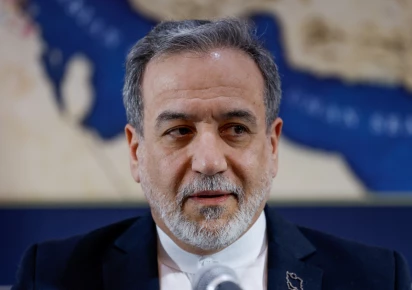
Iranian Foreign Minister Abbas Araghchi said the proposed “Islamabad Memorandum of Understanding” is closer to completion than ever before. He urged media organizations to avoid speculation regarding the contents of the agreement until negotiations are officially concluded.
According to Araghchi, the details of the memorandum will be released publicly after the final approval process is completed. His statement comes amid intensive diplomatic efforts involving regional and international mediators.
Meanwhile, a White House official said Iran has agreed in principle to a “performance-based deal.” Under the proposed framework, Tehran would be required to fulfill certain commitments before receiving sanctions relief from Washington.
The US official claimed the agreement would include measures related to Iran’s nuclear programme, the reopening of the Strait of Hormuz, and steps aimed at reducing regional instability. The official also stated that sanctions relief would only be provided after Iran meets its obligations under the agreement.
However, reports emerging from Iran present a different picture. Iranian media outlets have published details of a draft 14-point memorandum that reportedly includes the suspension of sanctions on Iranian oil exports, access to billions of dollars in frozen Iranian assets and international support for rebuilding the country’s economy.
According to the reported draft, the agreement would establish an immediate and permanent ceasefire across multiple fronts, including Lebanon. It would also launch a 60-day negotiating process aimed at reaching a broader long-term settlement between Tehran and Washington.
Iranian reports further suggest that the United States and its allies would be expected to support economic reconstruction efforts worth hundreds of billions of dollars. The draft also reportedly calls for the release of frozen Iranian funds and guarantees against additional sanctions during the negotiation period.
Despite growing optimism, significant differences remain between the positions described by US and Iranian sources. Washington has linked sanctions relief to Iranian compliance, while Tehran is seeking broader and more immediate economic concessions.
US President Donald Trump also questioned reports about the contents of the agreement. He said public statements attributed to Iranian officials do not accurately reflect what has been agreed during negotiations. Trump criticized the leaks and urged Iran to finalize the deal quickly.
The US president recently indicated that an agreement could be reached within days. He suggested that senior American officials, including Vice President JD Vance, could participate in a signing ceremony if negotiations are successfully completed.
Reports indicate Geneva is emerging as the most likely venue for the signing of the memorandum. Diplomatic sources say final language is still being negotiated and approved by both sides.
The situation remains complicated by ongoing tensions in the region. Fighting and military operations continue in parts of Lebanon despite repeated ceasefire efforts. Iranian officials have repeatedly insisted that any comprehensive agreement must also address the conflict in Lebanon.
Israeli Prime Minister Benjamin Netanyahu has reaffirmed that Israel will not allow Iran to acquire nuclear weapons. He stated that there is full coordination between Israel and the United States on the issue.
Iran, however, continues to deny seeking nuclear weapons and maintains that its nuclear programme is intended for peaceful purposes.
If finalized, the Islamabad Agreement could become one of the most significant diplomatic breakthroughs in recent years. Analysts believe it could help reduce regional tensions, reopen critical shipping routes, ease economic pressure on Iran and create a pathway for broader negotiations on long-standing disputes between Tehran and Washington.
We welcome your contributions! Submit your blogs, opinion pieces, press releases, news story pitches, and news features to [email protected] and [email protected]